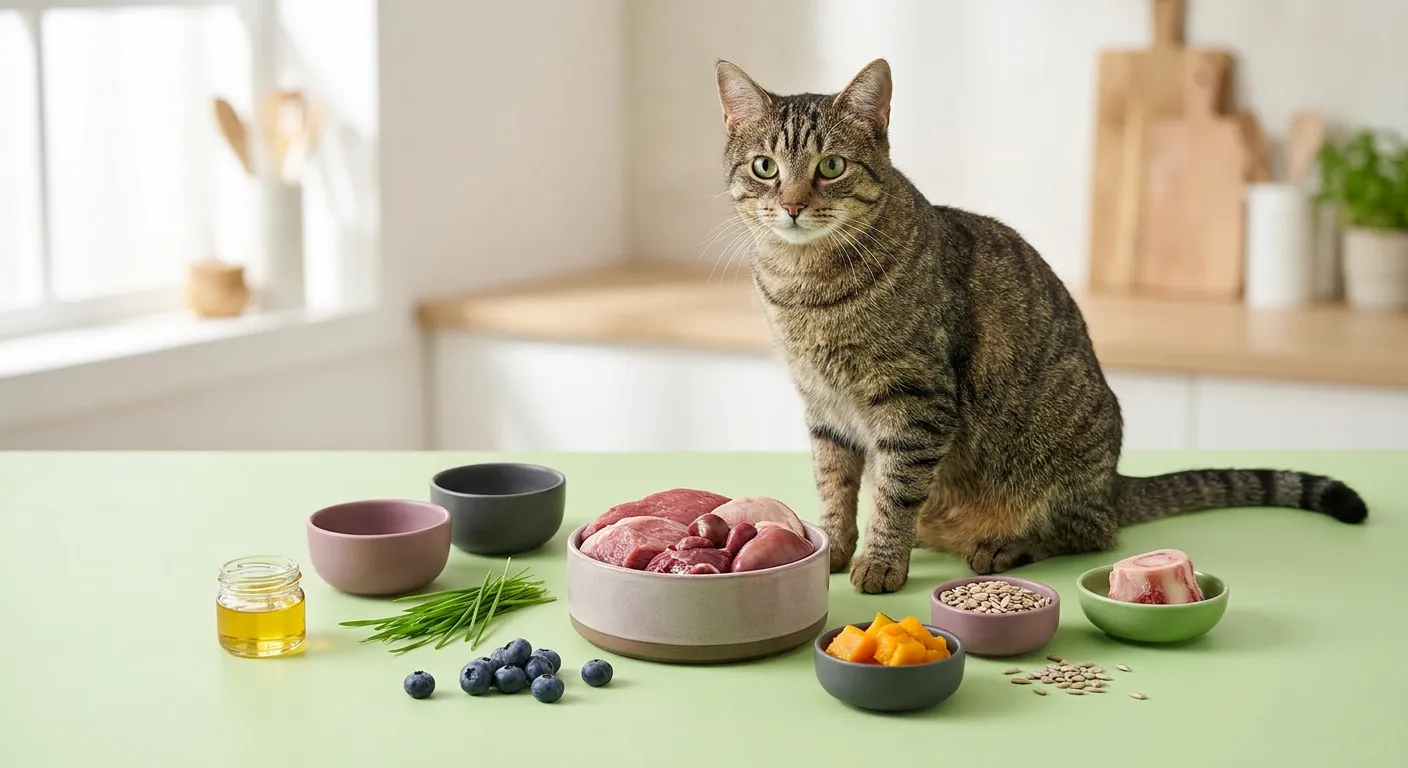
Providing a natural diet for your feline companion is a powerful step towards optimal health. However, understanding what makes a diet truly complete is crucial. Beyond just raw meat, cats require a precise balance of specific components to thrive. Knowing the essential cat nutrients ensures you’re meeting every dietary need. This supports everything from their immune system to their coat health. As obligate carnivores, their requirements are distinct and non-negotiable for long-term wellness.
Many commercial cat foods contain fillers and artificial ingredients. Therefore, choosing a natural diet can significantly improve your cat’s well-being. This guide will explore the fundamental nutritional building blocks. We will help you ensure your beloved pet receives everything they need for a vibrant life.
Protein: The Cornerstone of Feline Nutrition
High-quality animal protein is arguably the most critical component of a cat’s diet. Cats derive energy and essential amino acids (like taurine, arginine, and methionine) primarily from animal sources. These amino acids are vital for muscle development, immune function, heart health, and vision. Unlike omnivores, cats cannot synthesize certain amino acids. This makes dietary intake from animal tissues absolutely essential. Natural diets should feature a variety of lean meats, poultry, and fish to provide a comprehensive amino acid profile. Look for whole meat ingredients rather than by-products or plant-based proteins, which cats struggle to utilize efficiently. For more information on understanding these crucial building blocks, consider reading about Understanding Macronutrients for Optimal Feline Health.
A cat’s digestive system is uniquely adapted to process animal proteins. Their short digestive tract and highly acidic stomach are designed for this purpose. Plant-based proteins, conversely, often lack the complete amino acid profile cats need. Furthermore, they can be harder for cats to digest. This can lead to nutritional deficiencies over time. Therefore, prioritizing real, identifiable animal protein sources is paramount in any natural feeding plan. Think chicken, turkey, beef, and fish. These are excellent choices. Organ meats, such as liver and heart, also offer a dense source of various amino acids and nutrients.
Fats: Energy and Absorption
Fats are a concentrated source of energy for cats. Moreover, they are crucial for the absorption of fat-soluble vitamins (A, D, E, K). Essential fatty acids, particularly Omega-3s and Omega-6s, play a significant role in skin and coat health, inflammation control, and neurological function. While both are necessary, the ratio is important, with a balance favoring Omega-3s often being beneficial. Sources like salmon oil, flaxseed oil (though less bioavailable for cats than animal sources), and animal fats from healthy protein sources are excellent additions to a natural diet. These healthy fats contribute to cellular function and overall vitality.
Omega-3 fatty acids, found abundantly in fish oil, are particularly known for their anti-inflammatory properties. This can be beneficial for cats with allergies or joint issues. On the other hand, Omega-6 fatty acids are also important but typically more prevalent in modern diets. Achieving a healthy balance between these two types of fats is key. Over-reliance on plant-based oils for fats might not provide the specific fatty acids cats require in their most usable form. Therefore, animal-derived fats are generally preferred for optimal feline health.
Vitamins and Minerals: The Micronutrient Powerhouses
While needed in smaller quantities, vitamins and minerals are indispensable. Calcium and phosphorus are vital for bone health. Magnesium supports muscle and nerve function. Potassium is crucial for fluid balance. Vitamins like B-complex vitamins are essential for metabolism. Vitamin A supports vision and immune health. Vitamin E acts as an antioxidant. Trace minerals such as zinc, iron, and selenium contribute to various enzymatic processes and overall vitality. A well-rounded natural diet, including organ meats, bones, and sometimes supplemental greens or specific vitamin blends, will provide these essential cat nutrients without over-supplementation, which can be harmful. Always consult with a vet or a feline nutritionist when formulating a homemade natural diet to ensure complete nutritional adequacy.
For instance, calcium and phosphorus must be present in a specific ratio for proper bone development and maintenance. An imbalance can lead to serious health issues. Similarly, B vitamins are cofactors in numerous metabolic reactions, helping convert food into energy. Vitamin D, often obtained from sunlight in other species, must be supplied through diet for cats. They cannot synthesize it efficiently through their skin. Therefore, a diverse array of whole food sources is the best approach to meeting these micronutrient needs. This ensures a broad spectrum of vital elements.
Water: The Often Overlooked Essential Nutrient
Water is perhaps the most critical nutrient, yet it’s often overlooked. Cats naturally have a low thirst drive, especially when fed dry kibble. In the wild, much of their hydration comes from their prey. A natural diet, particularly one rich in moisture-rich raw or wet foods, significantly contributes to their daily water intake. Adequate hydration is vital for kidney function, nutrient transport, temperature regulation, and overall cellular health. Dehydration can lead to serious urinary tract issues and kidney disease over time. Learn more about The Role of Hydration in Feline Natural Diets.
Encouraging water consumption is paramount. This can involve feeding wet food, adding water to meals, or providing multiple fresh water sources around the house. Some cats enjoy drinking from running water, so a pet water fountain might be beneficial. Remember, even a slight decrease in hydration can impact a cat’s health significantly. Therefore, prioritizing moisture in their diet is a cornerstone of natural feline nutrition. It supports all bodily functions.
Fiber: Aiding Digestion and Gut Health
While not a primary energy source, appropriate levels of fiber are important for healthy digestion. In a natural diet, fiber typically comes from small amounts of plant matter found in prey animals’ digestive tracts or from added vegetables. Fiber helps regulate bowel movements, prevents constipation, and supports a healthy gut microbiome. Too much fiber, however, can interfere with nutrient absorption. This is especially true for an obligate carnivore. Balance is key. Small amounts of finely ground vegetables or psyllium husk can be beneficial. These contribute to the overall well-being of the digestive system.
A healthy gut microbiome, supported by balanced fiber intake, plays a crucial role in immune function. It also impacts nutrient synthesis. When considering a natural diet, it’s important to understand that a cat’s need for fiber is different from that of an omnivore. They require minimal amounts. Overloading their diet with high-fiber plant materials can actually be detrimental. This can dilute the nutrient density of their meals. For cats experiencing digestive issues, carefully selected fiber sources can be part of a solution, often in consultation with a vet. If your cat is experiencing digestive issues, you might find useful information in Addressing Common Digestive Issues with a Natural Cat Diet.
Carbohydrates: Minimal Role in a Natural Diet
Cats have no dietary requirement for carbohydrates. Their bodies are designed to derive energy from protein and fat. While some commercial cat foods contain significant amounts of carbohydrates, often from grains or potatoes, these are largely unnecessary for feline health. Excessive carbohydrates can contribute to obesity, diabetes, and other health problems in cats. A truly natural diet minimizes carbohydrate content. It focuses instead on species-appropriate protein and fat sources. This aligns with their ancestral diet. It optimizes their metabolic pathways. This approach helps ensure they receive all the necessary nutrients.
When selecting natural cat food, scrutinize ingredient lists for high carbohydrate fillers. These often serve as cheap bulk rather than nutritional benefit. For example, many dry kibbles contain 30-50% carbohydrates. This is far beyond what a cat would naturally consume. Prioritizing low-carb, high-protein, and moderate-fat options is a hallmark of providing optimal feline nutrition. This adheres to their biological needs. Consequently, it supports long-term health. Understanding the impact of different food components is essential for providing the right balance of feline nutrients.
Taurine: A Non-Negotiable Amino Acid
Taurine is an amino acid that deserves special mention. Unlike most mammals, cats cannot synthesize sufficient taurine on their own. Therefore, it must be supplied in their diet. Taurine is found exclusively in animal protein, particularly in muscle meat and organ tissues. It is crucial for heart muscle function, vision, digestion, and immune system health. A deficiency can lead to severe and irreversible health problems, including dilated cardiomyopathy (a serious heart condition) and retinal degeneration (blindness). Consequently, ensuring adequate taurine is a top priority when formulating a natural diet. All essential cat nutrients are important, but taurine is truly vital.
Cooked meats can sometimes lose taurine content. Therefore, raw or gently cooked animal proteins are often preferred in natural diets. Supplementation might be necessary if a diet is heavily processed or lacks sufficient meat variety. Always ensure any homemade diet includes rich sources of taurine. This ensures your cat’s heart and eyes remain healthy. Consulting with a veterinary nutritionist can help confirm your cat is receiving enough of this critical amino acid. This proactive step can prevent serious health issues.
The Importance of Balance and Variety
While focusing on individual components, remember that the overall balance and variety are key. A natural diet should ideally mimic the nutritional profile of a cat’s natural prey. This means including muscle meat, organ meats, and a small amount of bone. This comprehensive approach provides a complete spectrum of essential cat nutrients. It prevents deficiencies and promotes robust health. Variety in protein sources also helps ensure a broad intake of different amino acids and micronutrients.
Rotation of different meats (chicken, turkey, beef, lamb, rabbit, fish) helps prevent nutrient imbalances. It also keeps mealtime interesting for your feline friend. Furthermore, it can help prevent the development of food sensitivities. When preparing homemade natural meals, precise measurements and careful sourcing of ingredients are paramount. This ensures your cat receives all necessary feline nutrients. For those interested in preparing meals at home, refer to Homemade Natural Cat Food: Recipes and Safety Tips for guidance.
Consultation for Optimal Natural Diet Formulation
Formulating a perfectly balanced homemade natural diet can be complex. It requires a deep understanding of feline nutritional needs. Therefore, consulting with a veterinarian or a certified feline nutritionist is highly recommended. They can provide personalized guidance. They can also help ensure your cat’s diet is complete and balanced for their specific age, activity level, and health status. This professional oversight helps prevent common pitfalls and ensures your cat thrives on their natural eating plan. This is especially important for young, growing cats or those with existing health conditions. Every cat is an individual, and their dietary needs may vary. Ensuring a tailored approach will provide the best outcome.
Many resources exist to help cat owners navigate natural feeding. However, expert advice is invaluable. A qualified professional can assess your cat’s current diet and suggest necessary adjustments. They can also recommend appropriate supplements if needed. This collaborative approach ensures that your efforts to provide a natural diet truly support your cat’s long-term health and vitality. Ultimately, the goal is to provide all the essential nutrients for cats in a way that is safe and effective.
Conclusion
Providing a natural diet rich in essential cat nutrients is one of the best ways to support your feline companion’s health. By focusing on high-quality animal proteins, appropriate fats, a balanced array of vitamins and minerals, and ample hydration, you can create a diet that truly meets their obligate carnivore needs. Remember the vital role of taurine and the minimal requirement for carbohydrates. Always prioritize species-appropriate ingredients and consider professional guidance when crafting homemade meals. With careful planning and attention to detail, you can empower your cat to live a healthier, happier life, benefiting from the profound advantages of a truly natural diet.
FAQ: What are the primary nutritional needs for cats?
Cats primarily need animal-based protein for essential amino acids, healthy fats for energy and vitamin absorption, and a precise balance of vitamins and minerals. Water is also crucial for overall health.
FAQ: Can cats get all their necessary nutrients from a plant-based diet?
No, cats are obligate carnivores and cannot thrive on a plant-based diet. They require specific nutrients found only in animal tissues, such as taurine and certain amino acids, which are not adequately available in plants. This is why feline nutrient requirements are so specific.
FAQ: How important is taurine for my cat?
Taurine is extremely important. Cats cannot synthesize enough of it on their own, and a deficiency can lead to serious health issues like heart disease and blindness. It must be provided through their diet, typically from animal protein sources.
FAQ: What role do carbohydrates play in a cat’s diet?
Cats have no dietary requirement for carbohydrates. Their bodies are designed to use protein and fat for energy. While some commercial foods contain carbs, a natural feline diet minimizes them to align with their biological needs and prevent health issues.
FAQ: How can I ensure my cat gets enough moisture in their diet?
To ensure adequate moisture, feed your cat wet food, add water to their meals, and provide multiple fresh water sources. A pet water fountain can also encourage drinking, as many cats prefer running water. This contributes significantly to their overall health and helps fulfill their essential nutritional needs.
FAQ: Should I consult a vet when planning a homemade natural diet for my cat?
Yes, it is highly recommended to consult with a veterinarian or a certified feline nutritionist when planning a homemade natural diet. They can help ensure the diet is nutritionally complete and balanced for your cat’s specific needs, preventing potential deficiencies or excesses. This ensures all essential nutrients for cats are covered.