Maintaining a healthy digestive system is paramount for a cat’s overall well-being. Just like humans, cats rely on a complex ecosystem of bacteria in their gut to process food, absorb nutrients, and even support their immune system. This delicate balance can be significantly enhanced by incorporating probiotics for cats and prebiotics into their natural diet. These beneficial additions work synergistically to foster a thriving gut microbiome, leading to numerous health advantages.
Understanding Probiotics and Prebiotics for Feline Health
Probiotics are live beneficial bacteria and yeasts that, when administered in adequate amounts, confer a health benefit to the host. For cats, these typically include strains like Lactobacillus and Bifidobacterium. They help to colonize the gut with ‘good’ bacteria, crowding out harmful pathogens, aiding digestion, and producing beneficial compounds. In fact, selecting the right strains is crucial for efficacy.
Prebiotics, on the other hand, are non-digestible fiber compounds that act as food for these beneficial bacteria. They essentially fuel the growth and activity of probiotics, allowing them to flourish and work more effectively within the digestive tract. Common prebiotics include fructooligosaccharides (FOS) and inulin, often found in ingredients like chicory root or certain vegetables. Consequently, a diet rich in these components supports a robust internal environment.
Enhanced Digestion and Immune Support with Probiotics for Cats
The most immediate benefit of incorporating probiotics for cats and prebiotics is improved digestion. A healthy gut microbiome breaks down food more efficiently, leading to better nutrient absorption and reduced digestive upset such as diarrhea, constipation, or excessive gas. Cats with a balanced gut flora often experience firmer stools and less irritation. Moreover, addressing common digestive issues with a natural cat diet can significantly improve their quality of life. For more detailed information, consider reading about Addressing Common Digestive Issues with a Natural Cat Diet.
Beyond digestion, a significant portion of a cat’s immune system resides in the gut. By promoting a strong gut barrier and a diverse microbial community, beneficial gut flora and prebiotics help bolster the immune system, making your cat more resilient to infections and allergies. This holistic approach to gut health contributes to better skin and coat condition, reduced inflammation, and even improved mood, as the gut-brain axis is positively influenced. When choosing supplements or foods enriched with these components, ensure they are species-appropriate and of high quality to maximize their therapeutic potential. Therefore, careful selection is important.
Selecting the Right Probiotic and Prebiotic Supplements
Choosing the correct probiotic and prebiotic supplements for your feline friend requires careful consideration. Not all supplements are created equal, and potency can vary significantly. First, look for products specifically formulated for cats, as their digestive systems differ from humans or other animals. Secondly, check the number of Colony Forming Units (CFUs), which indicates the number of live and active microorganisms. Higher CFU counts often mean greater efficacy. Thirdly, examine the specific bacterial strains included. Strains like Lactobacillus acidophilus, Bifidobacterium animalis, and Enterococcus faecium are commonly recommended for feline gut health. Furthermore, a reputable brand will often provide third-party testing to ensure product quality and purity. Consequently, doing your research is vital.
When it comes to prebiotics, ingredients like chicory root, psyllium husk, and certain types of soluble fiber are excellent choices. These provide the necessary fuel for the beneficial bacteria without causing digestive distress. Always introduce new supplements gradually to monitor your cat’s response. A sudden change might upset their delicate system. Discussing options with your veterinarian is always a wise step before beginning any new supplement regimen. This ensures the best approach for your cat’s unique needs.
Integrating Gut Health Support into Your Cat’s Natural Diet
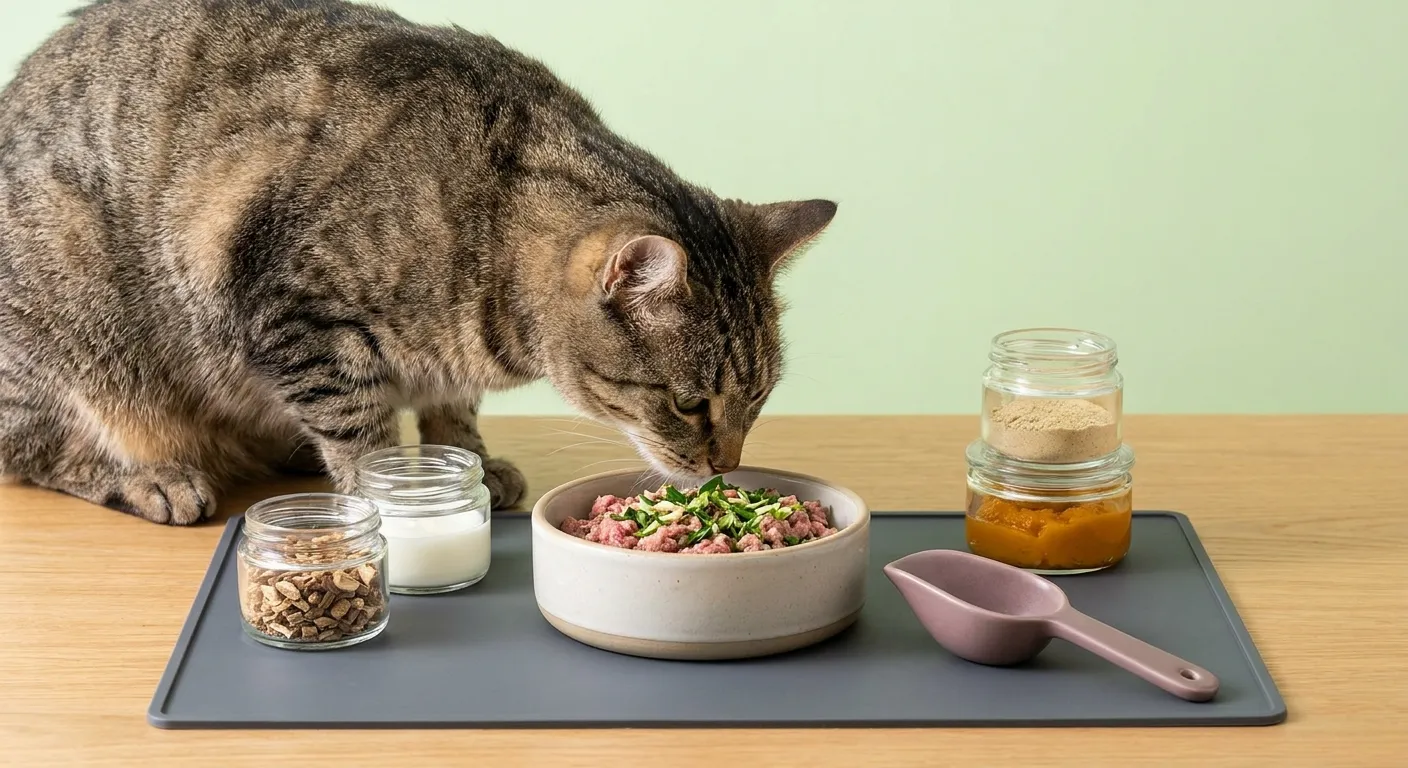
Incorporating probiotics for cats and prebiotics into a natural diet can be achieved in several ways. One common method is through supplements, available in powder, capsule, or chewable forms. These can be easily mixed into wet food or sprinkled over dry kibble. Another approach involves selecting cat foods that are already fortified with these beneficial ingredients. Many high-quality natural cat food brands now include prebiotics and probiotics as part of their formulation. When evaluating pet food, knowing how to Decoding Cat Food Labels: What Ingredients Really Mean can be incredibly helpful.
Beyond supplements and fortified foods, certain natural ingredients can also provide prebiotic benefits. For example, small amounts of cooked pumpkin or sweet potato can offer dietary fiber that acts as a prebiotic. However, moderation is key to avoid overfeeding and potential digestive upset. Similarly, some fermented foods, if prepared safely for cats, could offer probiotic benefits, though this requires careful research and veterinary guidance. Always prioritize safety and appropriate portion sizes. Moreover, a balanced natural diet is the foundation of good health. You can learn more about Natural Cat Food Benefits: Why Owners Are Choosing Premium Options.
The Link Between Gut Health, Allergies, and Skin Conditions
A healthy gut microbiome plays a surprisingly significant role in managing and preventing feline allergies and skin conditions. When the gut barrier is compromised – often referred to as ‘leaky gut’ – undigested food particles and toxins can pass into the bloodstream, triggering immune responses that manifest as allergic reactions or skin irritations. This can lead to itching, excessive scratching, hot spots, and even chronic ear infections. Therefore, a strong gut barrier is critical.
By introducing probiotics for cats, the beneficial bacteria help to strengthen the gut lining, reducing its permeability and consequently lowering the inflammatory response throughout the body. Prebiotics further support this by nourishing these protective bacteria. This balanced internal environment can lead to a noticeable improvement in coat quality, reduced shedding, and fewer allergy flare-ups. For cats struggling with sensitivities, understanding Common Allergens in Cat Food and How to Avoid Them is paramount. Ultimately, addressing gut health is a foundational step in managing these external symptoms.
Signs Your Cat Might Benefit from Probiotics and Prebiotics
Recognizing the signs that your cat could benefit from incorporating beneficial gut flora into their diet is important. Chronic digestive issues are often the most obvious indicators. These include persistent diarrhea, frequent vomiting, constipation, or excessive gas. If your cat frequently experiences loose stools, it could be a sign of an imbalance in their gut bacteria. Similarly, cats with a history of antibiotic use often benefit greatly, as antibiotics can deplete both good and bad bacteria. Consequently, restoring balance is crucial.
Beyond digestive problems, other less obvious signs can point to a need for gut support. These include a dull coat, flaky skin, unexplained weight loss, or even behavioral changes like lethargy or irritability. Cats with recurring infections or a weakened immune system might also benefit, as much of the immune system resides in the gut. Furthermore, if your cat has recently experienced significant stress, such as a move or a new pet, their gut health could be compromised. Consulting with your veterinarian can help determine if probiotics for cats are a suitable addition to their regimen. Observing these signs can guide your decisions.
Research and Scientific Backing for Feline Probiotics
The use of probiotics for cats is not merely anecdotal; it is increasingly supported by scientific research. Studies have shown that specific strains of beneficial bacteria can positively impact feline health, particularly concerning digestive and immune function. For instance, research published in veterinary journals often highlights the efficacy of certain Lactobacillus and Bifidobacterium strains in reducing the duration of diarrhea in cats and improving stool quality. These studies provide a strong evidence base.
Furthermore, ongoing research continues to explore the broader implications of the feline microbiome, including its influence on mood, anxiety, and even chronic diseases. The National Institutes of Health (NIH) has funded various studies into the mammalian microbiome, shedding light on its complex interactions with the host’s physiology. For more information, you can explore resources from reputable veterinary organizations like the American Veterinary Medical Association (AVMA) or the World Small Animal Veterinary Association (WSAVA). These organizations often provide evidence-based guidelines and research summaries on pet nutrition and health. The scientific community is consistently expanding our understanding in this area.
The benefits extend to various life stages, from kittens developing their immune systems to senior cats facing age-related digestive slowdowns. Therefore, a consistent approach is beneficial.
Long-Term Benefits of a Gut-Healthy Diet
Integrating probiotics for cats and prebiotics into your feline’s natural diet offers significant long-term benefits that extend far beyond immediate digestive relief. Over time, a balanced and thriving gut microbiome contributes to sustained overall health and vitality. Cats with consistently healthy guts tend to have stronger immune systems, making them less susceptible to common illnesses and infections. This means fewer vet visits and a happier, more resilient companion.
Furthermore, a healthy gut can improve nutrient absorption over the cat’s lifetime, ensuring they get the maximum benefit from their food. This is particularly important for obligate carnivores, whose bodies are designed to process specific nutrients. You can learn more about this by reading Obligate Carnivore Cat Diet: Why It’s Essential for Feline Health. A robust gut also helps maintain a healthy weight and can reduce the risk of developing chronic inflammatory conditions. Ultimately, a proactive approach to gut health through the consistent use of beneficial gut flora is a fundamental investment in your cat’s lifelong well-being, enhancing their quality of life for years to come.
Conclusion
Integrating probiotics and prebiotics into your cat’s natural diet is a proactive step towards supporting their foundational health from the inside out. By nurturing a balanced gut microbiome, you are not only improving digestion and nutrient absorption but also bolstering their immune system, enhancing skin and coat health, and potentially influencing their overall mood and vitality. Choosing high-quality, species-appropriate supplements or fortified foods, and introducing them gradually, will pave the way for a healthier, happier feline companion. Therefore, consider these additions for your cat’s well-being.
FAQ: Frequently Asked Questions About Feline Gut Health
What are the primary advantages of giving my cat gut health supplements?
The primary advantages of giving your cat gut health supplements include improved digestion, better nutrient absorption, a stronger immune system, and reduced instances of digestive upset like diarrhea or constipation. They also help maintain a healthy skin and coat.
How do beneficial bacteria differ from prebiotics?
Beneficial bacteria are live microorganisms that provide health benefits, while prebiotics are non-digestible fibers that act as food for these beneficial bacteria. Essentially, prebiotics feed the good bacteria, helping them thrive.
Can all cats benefit from a diet rich in gut flora support?
Most cats can benefit from a diet rich in gut flora support, especially those with digestive sensitivities, chronic conditions, or those recovering from illness or antibiotic treatment. However, it’s always best to consult your veterinarian before starting any new supplement.
What are some natural sources of prebiotics for felines?
Natural sources of prebiotics for felines include ingredients like chicory root, psyllium husk, and small amounts of cooked pumpkin or sweet potato. These provide dietary fiber that nourishes beneficial gut bacteria.
How long does it take to see results after introducing these supplements?
The time it takes to see results can vary. Some cats may show improvement in a few days, especially with digestive issues, while others might take several weeks to exhibit noticeable changes in overall health, skin, or coat condition. Consistency is key.