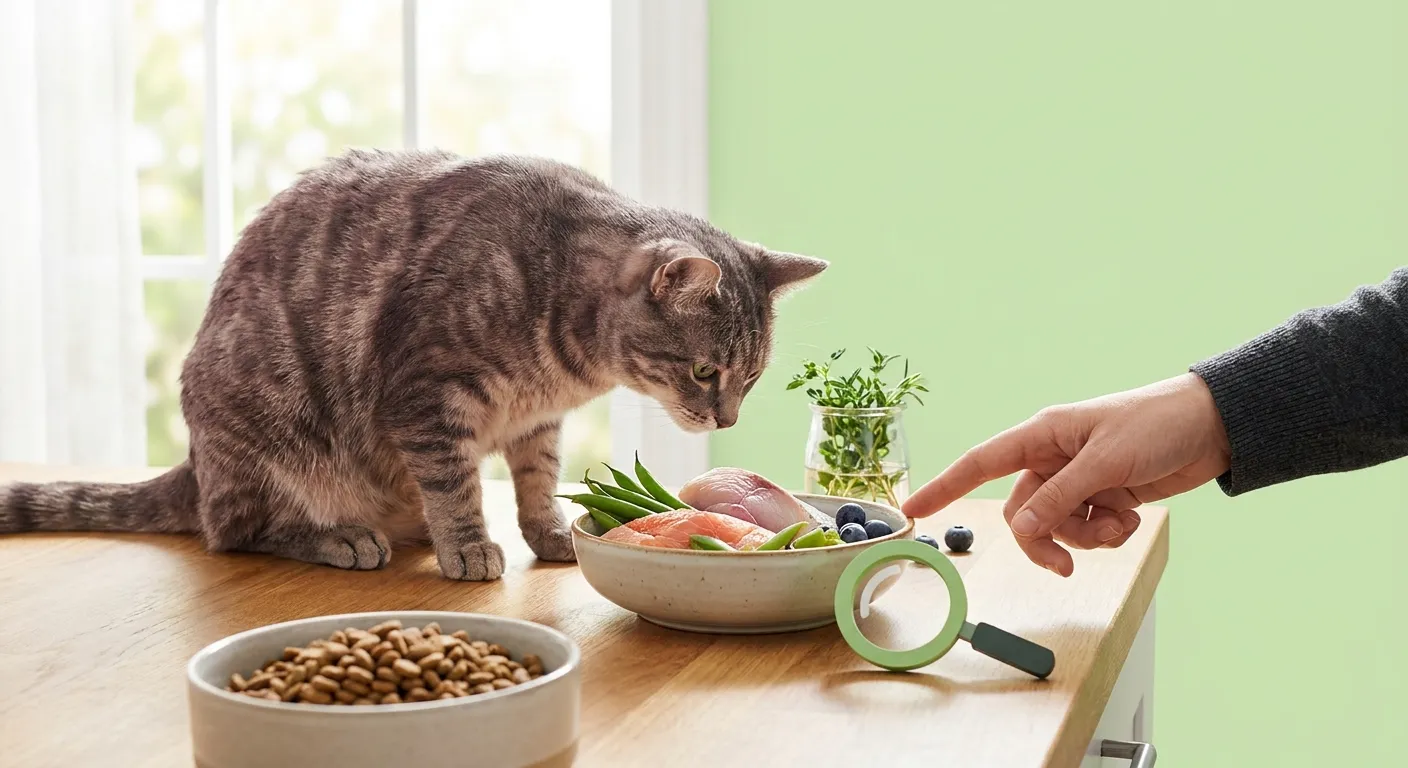
In the vast landscape of pet care advice, it’s easy for cat owners to feel overwhelmed by conflicting information, especially when it comes to nutrition. Misconceptions about cat food are rampant, often leading to dietary choices that, while well-intentioned, may not optimally support feline health. At Natural Cat Food, our mission is to empower you with accurate, fact-based guidance. Today, we’re going to debunk cat food myths that could be compromising your beloved companion’s well-being, replacing them with essential truths for feline wellness.
Time to Debunk Cat Food Myths: Grain-Free vs. Grains
One of the most persistent myths revolves around grains in cat food. Many commercial brands historically included grains as a primary filler. However, this trend is changing due to increased awareness.
- Myth: Grains are an essential or even beneficial component of a cat’s diet.
- Truth: Cats are obligate carnivores. Their digestive systems are not designed to efficiently process large amounts of carbohydrates, including grains. In fact, grain-free options now account for 42% of premium segment growth, reflecting a growing understanding of this biological reality. While grains aren’t inherently toxic for all cats, they offer minimal nutritional value and can contribute to digestive issues or allergies in sensitive felines.
It’s important to note the recent controversies linking grain-free diets to heart problems in dogs. For cats, the situation is different; as true carnivores, they generally thrive better without grains. The key is careful formulation, ensuring that grains are replaced with appropriate, high-quality animal proteins and fats, not with other high-carbohydrate fillers like potatoes or peas. Therefore, understanding ingredient lists becomes crucial for discerning pet owners.
The “Complete and Balanced” Label: What Does It Really Mean?
Understanding pet food labels can be confusing. Many terms sound reassuring but require deeper scrutiny.
- Myth: Any cat food labeled “complete and balanced” is optimal for your cat’s health.
- Truth: While a “complete and balanced” label (typically referring to AAFCO standards) means the food meets minimum nutritional requirements for a specific life stage, it doesn’t guarantee optimal quality or digestibility. These standards are minimums, not necessarily ideal. Many commercial foods meet these minimums using low-quality, highly processed ingredients that are difficult for a cat’s body to utilize effectively. This is where the trend for “Ingredient Transparency and ‘Clean Labels'” becomes crucial. Look beyond the label to the actual ingredient list and sourcing. A truly nutritious food will feature high-quality animal protein as its first ingredient, followed by healthy fats and minimal fillers.
Moreover, the AAFCO nutrient profiles are established through either feeding trials or nutrient analyses. Both methods have limitations. For instance, a feeding trial only shows that the food supports a specific life stage, not necessarily that it promotes optimal health over a lifetime. Consequently, informed cat owners often seek out brands that exceed these minimum standards, focusing on whole, recognizable ingredients.
Dry Kibble vs. Wet Food: Hydration and Health
The choice between dry and wet food is a frequent topic of debate among cat owners. Each type has its proponents.
- Myth: Dry kibble is superior for dental health and provides sufficient hydration.
- Truth: Cats have a naturally low thirst drive, evolved to get most of their moisture from their prey. A diet consisting primarily of dry kibble can lead to chronic, low-level dehydration, which significantly stresses their kidneys and urinary tract. This can contribute to common feline issues like urinary crystals, bladder inflammation, and kidney disease. While some kibbles claim to clean teeth, the abrasive action is often minimal and cannot compare to professional dental cleaning or specialized dental diets designed for this purpose. In fact, many veterinarians recommend wet food as the primary diet for most cats due to its high moisture content.
For example, a cat consuming only dry food might drink from a water bowl, but this rarely compensates for the lack of moisture in their diet. Therefore, incorporating wet food is a simple yet powerful way to support kidney function and overall hydration. Consider offering a variety of interactive toys to keep your cat engaged, which can also indirectly encourage movement and potentially increase thirst.
The Raw Food Debate: Is It Safe and Beneficial?
Raw feeding has gained popularity, yet it also sparks considerable controversy. Many myths surround this dietary approach.
- Myth: Raw feeding is always the best and most natural diet for cats, with no risks.
- Truth: While a raw diet, when properly formulated, can mimic a cat’s ancestral diet and offer numerous benefits like improved digestion and coat health, it also carries significant risks. These risks primarily involve bacterial contamination (e.g., Salmonella, E. coli) which can pose a threat to both the cat and human family members. Additionally, achieving a nutritionally complete and balanced raw diet requires extensive knowledge and careful preparation to avoid nutrient deficiencies or excesses.
Consequently, simply feeding raw meat from the grocery store is often insufficient and potentially harmful. If you are considering a raw diet, it is crucial to consult with a veterinary nutritionist. They can help you formulate a balanced diet or recommend commercially prepared, complete, and balanced raw options that meet stringent safety standards. Otherwise, you might inadvertently compromise your cat’s health. This is an important area to debunk cat food myths surrounding safety.
Understanding Protein Sources: Quality Over Quantity
Protein is the cornerstone of a cat’s diet. However, not all protein is created equal.
- Myth: Any protein source is good for a cat, as long as the percentage is high.
- Truth: The quality and digestibility of protein sources are far more important than the crude protein percentage listed on the label. Cats require animal-based protein because it provides essential amino acids, such as taurine, that they cannot synthesize themselves. Plant-based proteins, while present in some foods, are not as bioavailable or complete for obligate carnivores. Look for named meat sources like