
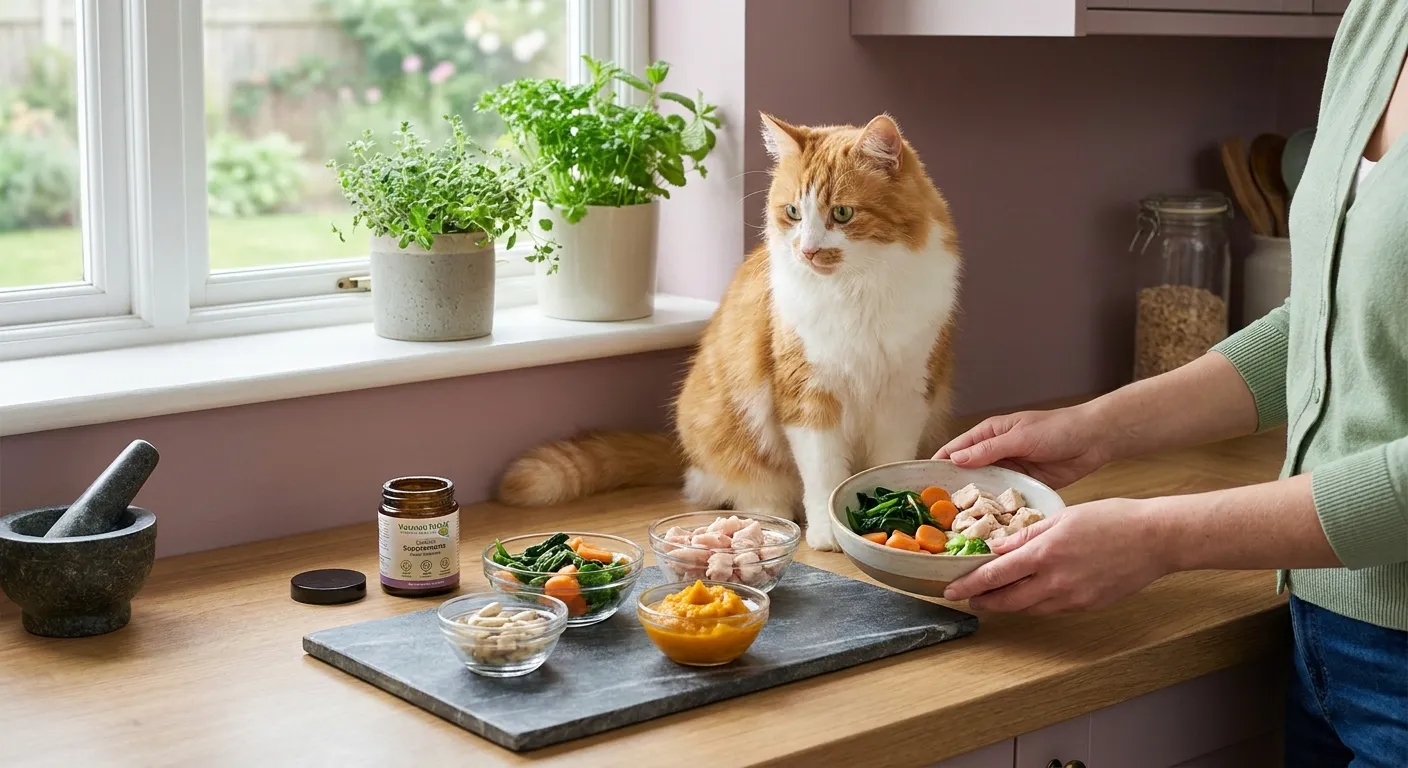
For dedicated cat owners, preparing homemade cat food recipes can be a rewarding way to ensure their feline companions receive the freshest, most natural diet possible. While commercial natural foods offer convenience, making your own allows for complete control over ingredients, catering specifically to your cat’s unique needs or sensitivities. However, it’s crucial to understand the complexities of feline nutrition to avoid deficiencies.
Essential Considerations for Crafting Homemade Cat Food
Before diving into crafting meals for your feline, consult with a veterinary nutritionist. Cats are obligate carnivores with very specific dietary requirements. These include essential amino acids like taurine, vitamins, and minerals that must be present in precise ratios. An improperly balanced homemade diet can lead to severe health problems over time. A nutritionist can help formulate recipes that are complete and balanced for your cat’s life stage and health status. Raw feeding requires extra precautions regarding food safety, handling, and sourcing high-quality, human-grade ingredients to minimize bacterial contamination. Consequently, careful planning is paramount.
The Intricacies of Feline Nutritional Needs
Cats have evolved to thrive on a diet primarily composed of animal protein and fat. Their digestive systems are not designed to process large amounts of carbohydrates. Furthermore, certain nutrients are absolutely vital for their well-being. Taurine, for instance, is an amino acid found almost exclusively in animal tissues. A deficiency can lead to serious conditions like dilated cardiomyopathy and retinal degeneration. Therefore, ensuring adequate taurine is a cornerstone of any feline diet, especially when preparing homemade options.
Other critical nutrients include Vitamin A (retinol), Vitamin D, B vitamins, and essential fatty acids like arachidonic acid. These are all typically abundant in animal-based ingredients. Conversely, plant-based foods often lack these in the forms cats can efficiently utilize. This is why a simple mixture of meat and vegetables, without proper supplementation, will inevitably lead to nutritional imbalances. In fact, many common human foods are toxic to cats, adding another layer of complexity to preparing their meals at home.
Why Professional Guidance is Non-Negotiable for Homemade Cat Food Recipes
Given the intricate nutritional requirements of cats, professional guidance from a board-certified veterinary nutritionist is not merely recommended; it is essential. These experts possess the specific knowledge to formulate diets that meet all of a cat’s needs while considering individual health conditions or allergies. They can help you navigate ingredient selection, appropriate cooking methods (if applicable), and the correct types and dosages of supplements. Consequently, their input prevents serious health consequences.
Moreover, a nutritionist can provide ongoing support as your cat ages or if their health status changes. They can also address concerns about food allergies or sensitivities, helping you identify appropriate alternative protein sources. For instance, some cats might thrive on rabbit or duck instead of chicken. Without this expert oversight, even the most well-intentioned efforts to create homemade cat food can inadvertently harm your pet. For further information, you might visit reputable sources such as the Association of American Feed Control Officials (AAFCO) for insights into pet food regulations and nutritional standards.
Sourcing High-Quality Ingredients for Your Cat’s Meals
The quality of ingredients directly impacts the nutritional value and safety of your cat’s homemade diet. Always opt for human-grade meats from reliable sources. This means selecting meats suitable for human consumption, which generally adhere to stricter safety and handling standards. For example, choose organic, pasture-raised, or free-range options when possible to minimize exposure to hormones and antibiotics. Similarly, fresh organ meats are vital. Liver and heart are particularly rich in essential nutrients. When selecting produce, if you choose to include small amounts, ensure it is fresh and free from pesticides.
Furthermore, consider where you purchase your supplements. Only use supplements specifically formulated for cats and designed to balance homemade diets. Products like Alnutrin, Feline Instincts, or EZComplete are examples of reputable brands. Never use human supplements, as dosages and ingredient forms are often inappropriate and potentially dangerous for felines. By prioritizing quality ingredients, you lay a strong foundation for healthy homemade cat food recipes.
Simple & Safe Homemade Cat Food Recipe Example
Here’s a basic framework for a balanced homemade meal. Always verify with a nutritionist for exact ratios and supplements, as this is a general guide.
Ingredients:
- 1.5 lbs raw muscle meat (e.g., boneless chicken thighs, turkey, rabbit) – ground or finely diced
- 2-3 oz raw organ meat (e.g., chicken liver, heart) – finely minced
- 1/4 cup finely pureed cooked squash or pumpkin (optional, for fiber)
- Balanced vitamin and mineral supplement formulated for homemade cat food (e.g., Alnutrin, Feline Instincts, EZComplete) – crucial for completeness
- Optional: 1-2 raw egg yolks (for additional nutrients)
Instructions:
- Thoroughly mix all ingredients in a large bowl. Ensure the supplement is evenly distributed.
- Portion the mixture into daily servings. Store in airtight containers in the refrigerator for up to 2-3 days, or freeze for longer storage.
Always ensure proper food handling and storage to prevent bacterial growth. By following expert guidance and prioritizing safety, creating homemade cat food recipes can be a fantastic way to enhance your cat’s nutritional well-being. Remember to wash your hands and all surfaces thoroughly after handling raw meat. This prevents cross-contamination. Moreover, consider using separate cutting boards for raw meat.
The Debate: Raw vs. Cooked Homemade Cat Food
The choice between raw and cooked homemade cat food is a significant one, with proponents for both approaches. Raw feeding aims to mimic the natural diet of a wild feline, preserving enzymes and nutrients that might be destroyed by heat. Proponents suggest benefits such as improved digestion, shinier coats, and increased energy. However, raw feeding carries inherent risks, primarily bacterial contamination from pathogens like Salmonella, E. coli, and Listeria. These can pose a threat not only to your cat but also to human family members.
Cooked homemade diets, on the other hand, eliminate most bacterial risks. However, cooking can reduce the bioavailability of certain nutrients, necessitating careful supplementation. For example, some B vitamins are heat-sensitive. Therefore, if you opt for cooked meals, your nutritionist will need to account for these potential losses in their formulation. Ultimately, the decision between raw and cooked should be made in consultation with your vet, weighing the benefits against the risks for your specific household and cat. Regardless of the method, proper food safety is paramount. You can find more information on food safety guidelines from organizations like the U.S. Food & Drug Administration (FDA).
Preventing Nutritional Deficiencies with Homemade Meals
Nutritional deficiencies are the most significant risk associated with feeding unbalanced homemade diets. These deficiencies often develop gradually, making them difficult to detect until serious health problems manifest. For example, a lack of calcium can lead to metabolic bone disease, while insufficient potassium might cause muscle weakness. Over time, these issues can become irreversible. This highlights the absolute necessity of precise formulation and consistent adherence to veterinarian-approved homemade cat food recipes.
Furthermore, it’s not just about providing enough of each nutrient; the ratios between certain nutrients are equally important. For instance, the calcium-to-phosphorus ratio must be carefully balanced to prevent skeletal issues. This level of detail is beyond the scope of most cat owners without specialized nutritional training. Consequently, relying on general online guides or anecdotal advice without professional verification is highly discouraged. Your cat’s long-term health depends on a scientifically sound dietary plan.
Transitioning Your Cat to a Homemade Diet
Changing your cat’s diet, especially to homemade food, should be a gradual process. Abrupt changes can lead to digestive upset, including vomiting or diarrhea. A slow transition allows your cat’s digestive system to adapt to the new ingredients and nutrient profile. Typically, this involves gradually mixing increasing amounts of the new food with decreasing amounts of the old food over a period of 7-10 days, or even longer for sensitive cats.
Start by replacing about 10% of their old food with the new homemade diet. If your cat tolerates this well for a few days, increase the new food to 25%, then 50%, and so on. Observe your cat closely for any signs of digestive distress or refusal to eat. If issues arise, slow down the transition or consult your veterinarian. Patience is key to a successful dietary change. Additionally, ensure your cat has access to plenty of fresh water during this period. For more tips on cat care, you might explore our Blog.
Monitoring Your Cat’s Health on a Homemade Diet
Once your cat is on a homemade diet, regular monitoring is essential. Pay close attention to their weight, coat condition, energy levels, stool quality, and overall demeanor. Any significant changes could indicate a nutritional imbalance or other health issue. Regular veterinary check-ups, including blood work and urine analysis, are also crucial. These tests can help detect deficiencies or excesses of nutrients before clinical signs become apparent. For instance, a veterinarian might recommend specific tests to check for taurine levels or mineral balances.
Keep a detailed record of your cat’s diet, including ingredients, supplements, and any changes made. This information will be invaluable for your veterinary nutritionist. Furthermore, be prepared to adjust the diet as your cat ages or if their health needs evolve. For example, a senior cat might require different nutrient ratios than a young, active adult. Proactive monitoring ensures the homemade diet continues to support your cat’s optimal health. For enrichment, consider offering Puzzle Toys that can dispense small portions of their homemade food.
Common Mistakes to Avoid When Making Cat Food at Home
When embarking on the journey of preparing meals for your cat, several common pitfalls can compromise their health. Firstly, never assume that human food is automatically good for cats. Many human foods are toxic or nutritionally inappropriate. Secondly, avoid relying on unbalanced recipes found online without professional veterinary nutritionist approval. These often lack essential nutrients or contain harmful ingredients. Thirdly, failing to use a species-appropriate supplement specifically designed for homemade cat diets is a critical error. Generic human vitamin supplements will not suffice.
Another mistake is neglecting proper food safety protocols. Handling raw meat improperly can lead to bacterial contamination, posing risks to both pets and humans. Furthermore, making abrupt dietary changes can upset your cat’s digestive system. Always transition gradually. Lastly, not monitoring your cat’s health and seeking regular veterinary check-ups is a significant oversight. Early detection of nutritional imbalances is key to preventing serious health issues. By being aware of these common errors, you can significantly improve the safety and efficacy of your homemade cat food recipes.
Conclusion: Empowering Your Cat’s Nutrition with Care
Preparing homemade cat food recipes offers a unique opportunity to provide highly customized and natural nutrition for your feline companion. However, this endeavor demands a deep understanding of feline dietary needs and an unwavering commitment to safety and balance. The complexities of obligate carnivore nutrition mean that expert guidance from a veterinary nutritionist is not just beneficial, but absolutely essential for preventing serious health issues.
By carefully selecting human-grade ingredients, adhering to professionally formulated recipes, and diligently practicing food safety, you can create meals that truly support your cat’s vitality and longevity. Remember, a homemade diet is a significant commitment that requires ongoing attention and monitoring. With the right knowledge and resources, you can confidently nourish your cat, fostering their health and happiness for years to come.
Frequently Asked Questions About Homemade Cat Food
What are the primary benefits of preparing meals for my cat at home?
Creating meals at home allows for complete control over ingredients, which can be beneficial for cats with allergies or sensitivities. It also ensures freshness and avoids artificial additives often found in commercial foods. Many owners report improved coat health and energy levels.
How can I ensure my cat’s homemade diet is nutritionally complete?
The most crucial step is to consult with a board-certified veterinary nutritionist. They can formulate balanced recipes tailored to your cat’s specific needs and recommend appropriate supplements to ensure all essential nutrients are present in the correct ratios. Do not rely on generic online formulas.
Are there any risks associated with feeding my cat a diet prepared at home?
Yes, significant risks exist. The main concerns are nutritional imbalances, which can lead to severe health problems over time, and bacterial contamination, especially with raw diets. Proper food safety and expert nutritional guidance are vital to mitigate these risks.
What kind of ingredients should I use for making cat meals?
Focus on human-grade muscle meats and organ meats as the primary components. Small amounts of cooked pureed vegetables or fruits can be added for fiber, but these should not constitute a significant portion of the diet. Always use a veterinary-approved supplement for homemade cat food.
How often should I have my cat checked by a vet if they’re on a homemade diet?
Regular veterinary check-ups are even more critical for cats on homemade diets. Your vet can monitor your cat’s overall health, weight, and conduct blood tests to check for any nutritional deficiencies or imbalances. Annual or biannual visits are generally recommended, or more frequently if your vet advises.
Can I just feed my cat plain cooked chicken or fish?
No, feeding your cat only plain cooked chicken or fish is not nutritionally complete. While these are good protein sources, they lack essential vitamins, minerals, and amino acids like taurine in the necessary quantities and ratios for a cat’s long-term health. This approach will lead to severe deficiencies over time.