
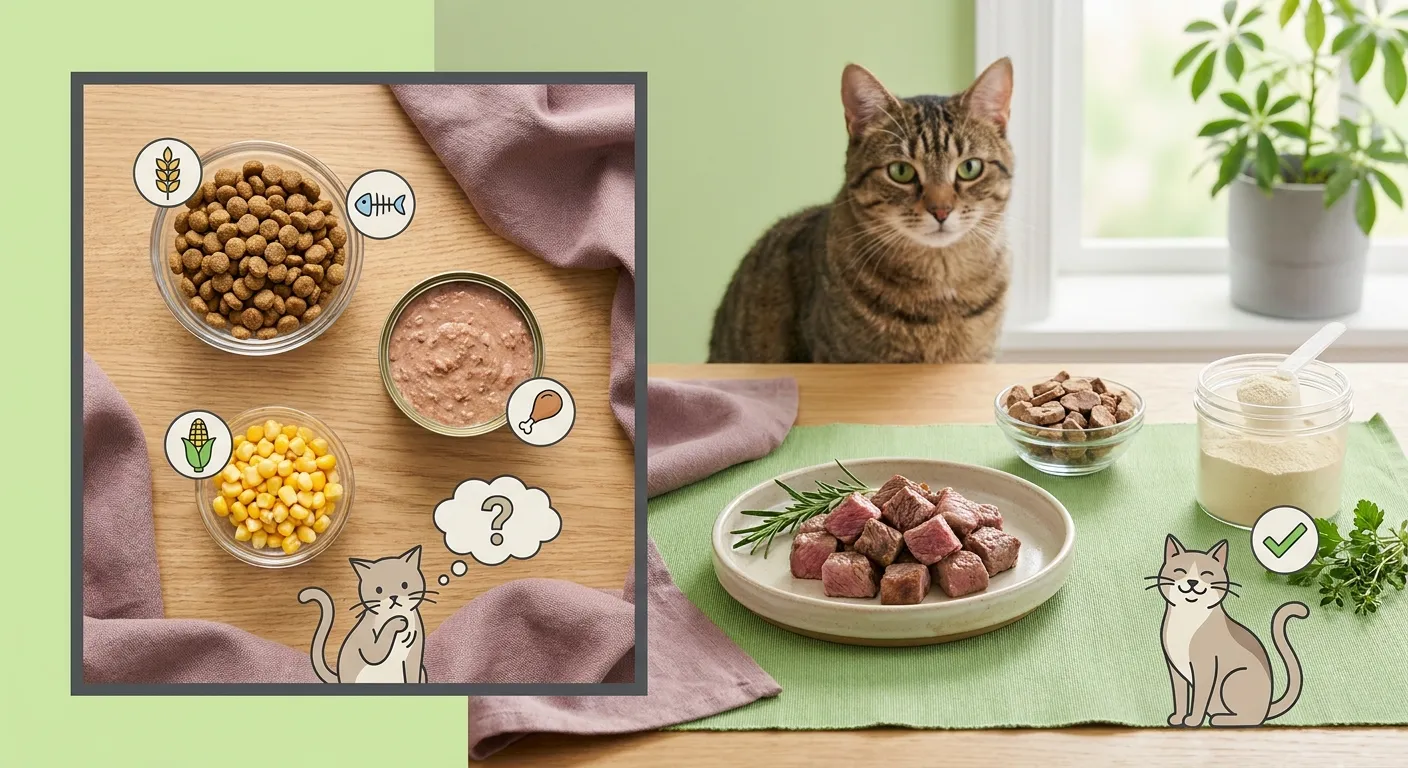
Just like humans, cats can develop sensitivities or allergies to certain ingredients in their food. Identifying cat food allergens is essential for managing digestive issues, skin problems, and overall discomfort in your feline companion. Food allergies are an adverse reaction to a food protein, often leading to chronic inflammation and a range of symptoms that can significantly impact a cat’s quality of life. Understanding these potential triggers is the first step toward improving your cat’s health and happiness. Furthermore, recognizing the signs of an allergic reaction can help you seek veterinary care promptly.
Many cat owners overlook the possibility of food allergies, attributing symptoms to other causes. However, persistent itching, vomiting, diarrhea, or ear infections can often point back to what’s in their food bowl. Therefore, paying close attention to your cat’s diet and any changes in their health is crucial. Our goal at Natural Cat Food Guide is to empower you with the knowledge to make informed dietary decisions, ensuring your beloved pet receives optimal nutrition free from irritating substances. This guide will explore the most common dietary triggers and offer practical strategies for avoidance.
Top 5 Common Cat Food Allergens to Watch Out For
Cats are obligate carnivores, meaning their digestive systems are primarily designed to process meat. Nevertheless, their immune systems can sometimes overreact to specific proteins, even those from common sources. Identifying these problematic ingredients is vital for their long-term health. We will now delve into the top five culprits that frequently cause allergic reactions in felines.
- Beef: Surprisingly, beef is one of the most common protein allergens for cats, despite its prevalence in many commercial cat foods. Symptoms can include itchy skin, vomiting, and diarrhea. This reaction is often to the protein itself, rather than other components of the meat.
- Dairy: While cats are often depicted drinking milk, many are lactose intolerant. Dairy products can cause digestive upset, including diarrhea and gas, and skin reactions. Adult cats, in particular, often lack the enzyme lactase needed to break down lactose.
- Fish: Although a common cat treat, certain fish proteins can trigger allergic reactions in some cats. This is particularly true for cats with existing sensitivities and can manifest as intense itching or gastrointestinal issues. Moreover, some fish contain high levels of histamine, which can exacerbate sensitivities.
- Chicken: Another ubiquitous ingredient, chicken can also be a significant allergen. Like beef, it’s a primary protein source that some cats’ immune systems mistakenly identify as a threat. Consequently, symptoms can range from skin irritation to digestive upset.
- Grains (Corn, Wheat, Soy): While not true allergies for all cats, these ingredients are often difficult for felines to digest due to their obligate carnivore nature. They can contribute to inflammatory responses and sensitivities, manifesting as skin issues, ear infections, or digestive upset. Moreover, grains are often used as fillers in lower-quality cat foods.
Understanding the Immune Response to Food
When a cat has a food allergy, their immune system mistakenly identifies a harmless food protein as a threat. This triggers an immune response, leading to inflammation and various symptoms. This is different from food intolerance, which does not involve the immune system but rather a difficulty in digesting certain ingredients. For example, lactose intolerance is a common type of food intolerance, not an allergy. True food allergies can develop at any age, even if a cat has consumed the offending ingredient for years without issue. Therefore, vigilance is always important.
The symptoms of food allergies can be varied and often mimic other conditions, making diagnosis challenging. Consequently, working closely with a veterinarian is paramount. They can help rule out other potential causes, such as environmental allergies or parasitic infections. A systematic approach is often required to pinpoint the exact food allergen. This process can be time-consuming but is ultimately rewarding for your cat’s health.
Identifying Cat Food Allergens Through Elimination Diets
If you suspect your cat has food allergies, working with your veterinarian is crucial to properly diagnose the issue. The most reliable method for identifying the specific cat food allergens is typically an elimination diet. This involves feeding your cat a novel protein and carbohydrate source that they have never eaten before, or a hydrolyzed protein diet where the proteins are broken down into particles too small to trigger an immune response. This diet is strictly followed for several weeks, usually 8 to 12. During this period, it’s essential to avoid all other foods, treats, and even flavored medications. Consistency is key for accurate results.
Following the elimination diet, your veterinarian will guide you through a reintroduction phase. This involves gradually reintroducing single ingredients from your cat’s previous diet, one at a time. If symptoms reappear after reintroducing a specific food, that ingredient is likely the cause of the allergy. This methodical approach helps to isolate the problematic substances. It requires patience and strict adherence, but it is the most effective way to identify the exact cat food allergens affecting your pet.
The Role of Natural Diets in Managing Allergies
Once cat food allergens are identified, choosing a natural diet free from those specific ingredients becomes straightforward. Look for limited-ingredient diets that feature novel proteins (like duck, rabbit, or venison) or single-source protein foods. Always scrutinize ingredient labels to ensure no hidden allergens are present. Opting for high-quality, whole-food-based natural diets can significantly reduce exposure to common irritants and support your cat’s long-term health and comfort. Furthermore, these diets often contain fewer artificial additives and preservatives, which can also be beneficial for sensitive felines.
Many commercial pet foods contain a multitude of ingredients, making it difficult to pinpoint the exact cause of an allergic reaction. Natural diets, on the other hand, often prioritize simplicity and transparency in their ingredient lists. This makes them an excellent choice for cats with sensitivities. Moreover, a natural diet can provide essential nutrients without unnecessary fillers or potential irritants. Therefore, transitioning to a well-balanced natural diet can be a cornerstone of allergy management.
Beyond the Bowl: Environmental Factors and Cat Food Allergens
While food is a primary focus when discussing allergens, it’s also important to consider environmental factors. Sometimes, symptoms that appear to be food-related might actually be exacerbated or caused by environmental irritants. For instance, pollen, dust mites, or certain cleaning products can trigger skin issues that might initially be mistaken for food allergies. Therefore, a holistic approach to your cat’s health is always best. Understanding the interplay between diet and environment can lead to more effective management strategies.
Ensuring a clean home environment, using hypoallergenic bedding, and considering air purifiers can all contribute to reducing your cat’s overall allergen load. While these measures won’t directly address cat food allergens, they can help improve your cat’s comfort and reduce the severity of symptoms if multiple sensitivities are present. A comprehensive strategy addresses both internal and external factors affecting your cat’s well-being. For more general insights into feline care, you can visit our Blog page.
Choosing the Right Natural Food for Allergy-Prone Cats
Selecting the right natural cat food after identifying specific allergens requires careful consideration. Prioritize brands that offer transparency in their ingredient sourcing and manufacturing processes. Look for foods that clearly state their protein source and avoid vague terms like