
[be_published_modified_date]
Decoding the Label: Your Guide to Gut-Friendly Cat Food Ingredients
Navigating the pet food aisle can feel like deciphering a secret code. With an abundance of claims like ‘natural,’ ‘holistic,’ and ‘premium,’ it’s challenging to truly understand what’s in your cat’s bowl. However, as discerning cat owners, our commitment to providing the best for our feline companions demands transparency and knowledge, especially when it comes to gut health. At Natural Cat Food Guide, we believe that nourishing their nature means understanding real ingredients for a thriving microbiome. Understanding gut-friendly cat food ingredients is paramount for their overall well-being.
Since 2025, the U.S. organic and natural pet food market has been on a significant growth trajectory, expected to reach USD 17.03 billion by 2034. This growth is a direct reflection of pet owners’ increasing demand for quality ingredients and a clear understanding of what those ingredients actually do. The good news is, with the right information, you can become an expert at identifying foods that truly support your cat’s digestive wellness.
The New 2026 AAFCO Pet Nutrition Facts Labels: What You Need to Know
The landscape of pet food labeling is evolving, with the new 2026 AAFCO Pet Nutrition Facts labels designed to offer greater clarity. These labels aim to help owners navigate ingredient information more effectively, moving away from vague marketing claims towards more precise nutritional data. This shift underscores the industry’s response to cat owners’ desire for transparency and quality, making it easier to pinpoint high-quality ingredients and avoid less beneficial fillers. Furthermore, these updated labels provide a crucial tool for identifying truly beneficial components for your cat’s diet.
Key Sections of the AAFCO Label to Scrutinize:
- Guaranteed Analysis: Look beyond just protein percentage. Understand crude protein, fat, fiber, and moisture. For gut health, a higher moisture content (found in wet or fresh foods) is often beneficial, supporting hydration and digestion. Importantly, adequate moisture helps prevent constipation and supports kidney function, both vital for digestive harmony.
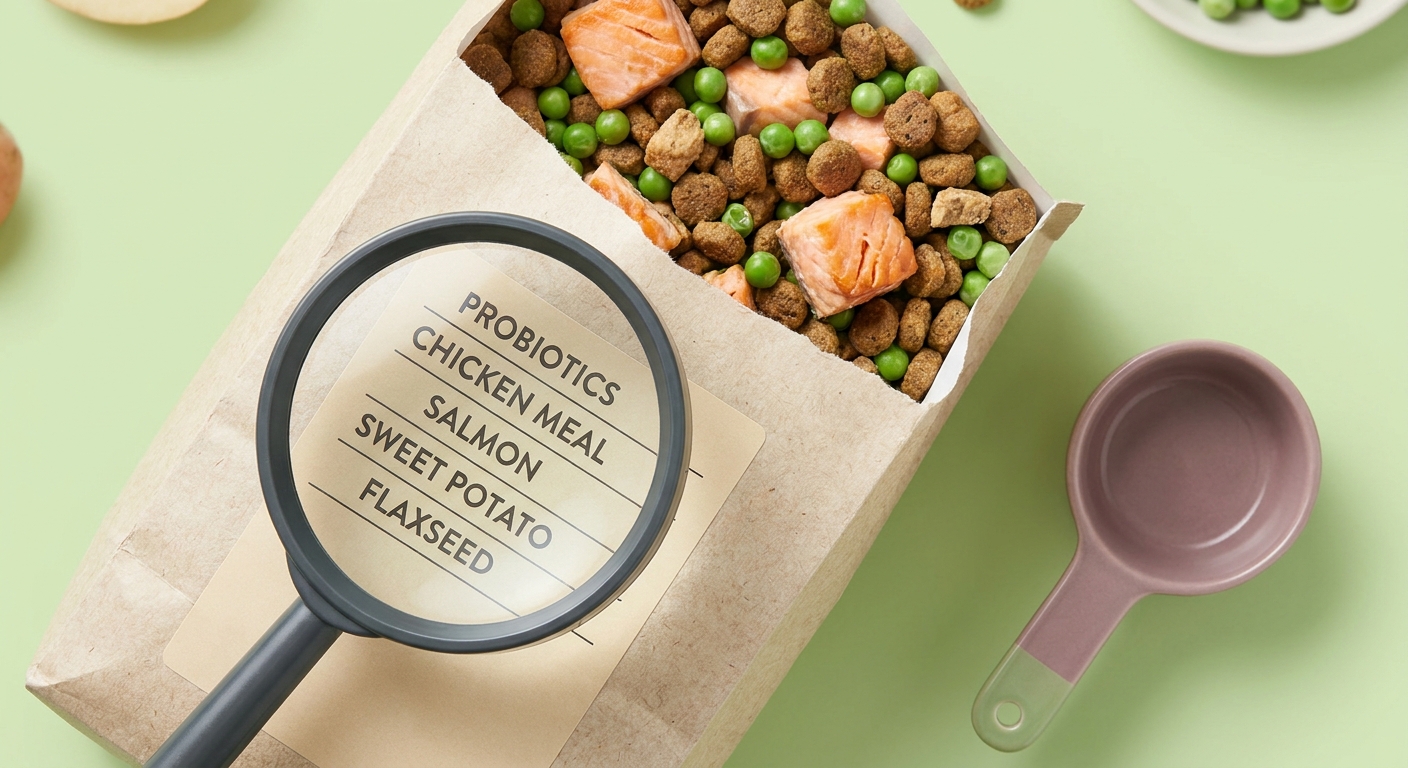
- Ingredient List: This is where the real story unfolds. Ingredients are listed by weight, meaning the first few items make up the bulk of the food. Prioritize those starting with whole animal proteins. Moreover, pay close attention to the specific names of ingredients; generic terms can often hide lower-quality sources.
- Nutritional Adequacy Statement: This confirms the food meets AAFCO nutrient profiles for a specific life stage (e.g., ‘all life stages,’ ‘adult maintenance,’ ‘growth’). Ensure it’s appropriate for your cat. You can learn more about AAFCO standards directly from their official website: AAFCO.org.
Identifying Gut-Friendly Cat Food Ingredients: The Essentials
Your cat is an obligate carnivore, meaning their diet should primarily consist of animal-based protein. This fundamental understanding guides our search for ingredients that best support their unique digestive system and thriving microbiome. Minimally processed and whole ingredients are paramount. Let’s delve into the specific gut-friendly cat food ingredients that make a real difference.
High-Quality Animal Proteins: Fueling the Feline Digestive System
Look for named meat sources as the first ingredient (e.g., ‘chicken,’ ‘salmon,’ ‘turkey meal’). Avoid vague terms like ‘meat by-products’ or ‘animal digest’ if possible. These provide essential amino acids crucial for every bodily function, including gut repair and immune health. High-quality proteins are highly digestible, which means less undigested food ferments in the colon, reducing the risk of digestive upset. For instance, fish like salmon and tuna also offer beneficial omega-3 fatty acids.
Healthy Fats: More Than Just Energy
Beyond protein, healthy fats are critical. Omega-3 fatty acids, found in fish oil, flaxseed, and certain animal fats, possess anti-inflammatory properties that can soothe an irritated gut lining. These fats are vital for cell membrane integrity throughout the body, including the digestive tract. Furthermore, they contribute to a healthy skin and coat, often a visible sign of internal wellness. When selecting gut-friendly cat food ingredients, ensure these beneficial fats are present.
Beneficial Fibers: The Gut’s Best Friend
Fiber often gets a bad rap in carnivorous diets, but the right kind and amount are essential. Soluble fibers (e.g., psyllium, pumpkin, chicory root) absorb water, forming a gel that helps regulate stool consistency and feeds beneficial gut bacteria as prebiotics. Insoluble fibers (e.g., cellulose, pea fiber) add bulk, aiding in the smooth passage of food through the digestive tract. However, excessive amounts of insoluble fiber can dilute nutrient density and hinder absorption. Therefore, balance is key in identifying truly gut-friendly cat food ingredients.
Prebiotics and Probiotics: Cultivating a Healthy Microbiome
Prebiotics are non-digestible food ingredients that stimulate the growth and activity of beneficial bacteria in the colon. Common sources include fructooligosaccharides (FOS) and inulin, often derived from chicory root or certain vegetables. Probiotics, on the other hand, are live beneficial microorganisms that, when administered in adequate amounts, confer a health benefit on the host. These can be found in fermented ingredients or as added supplements. Both play a crucial role in maintaining a balanced gut flora, which is foundational for digestive and immune health.
Antioxidants and Whole Food Vitamins: Cellular Protection
Vitamins and antioxidants, naturally occurring in whole food ingredients like certain fruits (e.g., cranberries, blueberries in small amounts) and vegetables (e.g., spinach, carrots), support overall cellular health, including the cells lining the digestive tract. These compounds combat oxidative stress and inflammation, creating an optimal environment for gut function. While cats don’t require large amounts of plant matter, small, digestible inclusions can offer significant benefits. This contributes to making a food truly rich in gut-friendly cat food ingredients.
Moisture Content: The Unsung Hero of Digestion
As desert-dwelling creatures, cats naturally have a low thirst drive. Consequently, a diet rich in moisture, primarily from wet food or fresh food options, is incredibly beneficial for their digestive and urinary health. Adequate hydration ensures smooth passage of food, prevents constipation, and supports nutrient absorption. Dry kibble, while convenient, often falls short in providing sufficient moisture, potentially straining the kidneys and digestive system over time. Prioritizing moisture is a simple yet powerful way to ensure you’re providing gut-friendly cat food ingredients.
Ingredients to Approach with Caution or Avoid
Just as important as knowing what to include is understanding what to avoid. Certain ingredients can disrupt the delicate balance of your cat’s digestive system, leading to issues ranging from mild upset to chronic conditions. Being vigilant about these can significantly improve your cat’s gut health.
Common Allergens and Sensitivities
Some cats develop sensitivities or allergies to common ingredients, often proteins. Beef, dairy, and fish are frequent culprits. If your cat exhibits symptoms like vomiting, diarrhea, skin issues, or excessive scratching, a food trial with a novel protein source might be necessary. Always consult your veterinarian for diagnosis and guidance on managing food sensitivities.
Artificial Additives and Preservatives
Artificial colors, flavors, and chemical preservatives (like BHA, BHT, ethoxyquin) offer no nutritional benefit and can be detrimental to your cat’s health, potentially contributing to inflammation and other systemic issues. Opt for foods preserved naturally with ingredients like mixed tocopherols (Vitamin E) or rosemary extract. Clean labels are a hallmark of truly gut-friendly cat food ingredients.
Excessive Fillers and By-Products
Ingredients like corn, wheat, soy, and generic ‘meat by-products’ are often used as cheap fillers. While not inherently toxic, they can be difficult for a cat’s digestive system to process, offering little nutritional value and potentially leading to digestive upset. Look for foods where the primary ingredients are clearly named, high-quality animal proteins, and beneficial whole foods.
Carrageenan
This common thickener, derived from seaweed, has been a subject of debate. While food-grade carrageenan is approved for use, some studies suggest it may contribute to inflammation in sensitive individuals. Many cat owners prefer to avoid it, especially for cats with existing digestive sensitivities. When searching for gut-friendly cat food ingredients, this is one to consider omitting.
Transitioning Foods for Optimal Gut Health
Introducing new food abruptly can cause digestive upset, even if the new food is superior. Always transition your cat’s diet gradually over 7-10 days. Start by mixing a small amount of the new food with their old food, slowly increasing the proportion of the new food each day. This allows your cat’s digestive system, particularly its microbiome, to adjust. A slow transition prevents unnecessary stress on their gut and helps ensure a smooth dietary change.
Signs of a Healthy Gut in Your Feline Friend
Observing your cat can provide valuable insights into their gut health. A cat with a healthy digestive system typically exhibits:
- Consistent, Well-Formed Stools: Stools should be firm, moist, and easy to pass, without excessive odor or mucus.
- Good Energy Levels: A healthy gut supports nutrient absorption, fueling your cat’s playful and active nature.
- Healthy Coat and Skin: A shiny coat and clear skin are often indicators of proper nutrient assimilation and overall internal health.
- Absence of Chronic Digestive Issues: No recurring vomiting, diarrhea, or constipation.
- Robust Immune System: A significant portion of the immune system resides in the gut, so a healthy gut often means better resistance to illness.
Recognizing these signs helps you confirm that your chosen gut-friendly cat food ingredients are indeed working effectively.
The Link Between Gut Health and Overall Well-being
The gut is often referred to as the ‘second brain’ due to its extensive connection to the nervous system and its profound impact on overall health. A balanced feline microbiome not only aids digestion but also plays a critical role in immune function, mood regulation, and even chronic disease prevention. By prioritizing gut-friendly cat food ingredients, you are not just supporting digestion; you are investing in your cat’s holistic health, vitality, and longevity. This comprehensive approach to nutrition empowers your cat to thrive from the inside out.
Consulting Your Veterinary Professional
While this guide provides extensive information on selecting gut-friendly cat food ingredients, it is not a substitute for professional veterinary advice. Every cat is unique, with individual needs and potential underlying health conditions. Always consult your veterinarian or a board-certified veterinary nutritionist before making significant changes to your cat’s diet, especially if they have existing health concerns. Your vet can provide tailored recommendations and help you navigate complex dietary choices.
Conclusion: Empowering Your Choices for Feline Wellness
Decoding cat food labels doesn’t have to be daunting. By understanding the critical sections of the AAFCO label and prioritizing high-quality, whole, and minimally processed gut-friendly cat food ingredients, you can make informed decisions that profoundly impact your cat’s digestive health and overall well-being. At Natural Cat Food Guide, our mission is to empower you with the knowledge to nourish your cat’s nature, ensuring they lead a healthy, thriving life. Remember, a healthy gut is the cornerstone of a healthy cat. Choose wisely, and watch your feline companion flourish.
Frequently Asked Questions About Feline Digestive Nutrition
What are the most crucial components for a cat’s digestive health?
The most crucial components include high-quality animal proteins, appropriate healthy fats (especially omega-3s), beneficial fibers like prebiotics, and sufficient moisture. These work together to support a balanced microbiome and efficient digestion.
How can I tell if my cat’s current food is causing digestive issues?
Signs of digestive issues can include frequent vomiting, diarrhea, constipation, excessive gas, abdominal pain, poor coat quality, or changes in appetite and energy levels. If you observe these symptoms, consult your veterinarian promptly.
Are grains bad for a cat’s gut?
While cats are obligate carnivores, small amounts of highly digestible whole grains are not inherently bad for all cats. However, large quantities or poorly digestible grains can act as fillers and potentially cause digestive upset in sensitive felines. Focusing on the overall quality of ingredients is key.
What role do probiotics play in supporting a cat’s gut?
Probiotics introduce beneficial live bacteria to the gut, helping to balance the microbiome. They can aid in digestion, nutrient absorption, and bolster the immune system. They are particularly helpful during times of stress, antibiotic use, or digestive upset.
How do I find truly natural feline digestion ingredients?
Look for foods with clearly named, whole animal protein sources as the first ingredients, healthy fats, and natural sources of fiber and vitamins. Avoid artificial colors, flavors, and preservatives. Checking the AAFCO label for the nutritional adequacy statement also ensures the food is complete and balanced.