
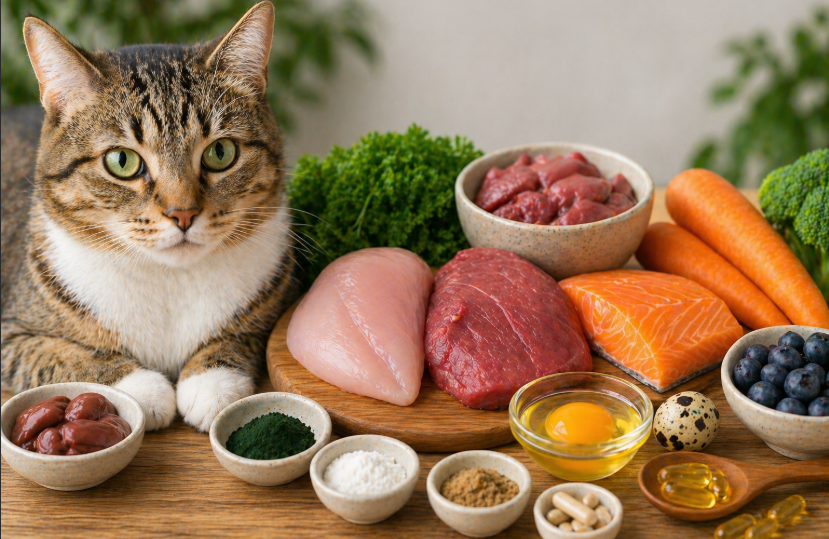
Essential nutrients for cats are the foundation of any healthy natural diet, yet many cat owners are unsure what their pets truly need. While feeding your cat may seem simple, providing balanced nutrition requires a deeper understanding of how feline bodies function. Because cats are obligate carnivores, their dietary needs differ significantly from other animals. Therefore, focusing on the right nutrients ensures your cat remains healthy, active, and comfortable throughout life.
To begin with, a natural diet is not just about feeding raw or fresh food. Instead, it is about delivering the correct balance of proteins, fats, vitamins, and minerals. Without these elements, even the cleanest diet may fall short. Understanding essential nutrients for cats allows you to build a complete and effective feeding plan that supports long term wellness.
Why Nutritional Balance Matters In A Natural Diet
Cats rely on specific nutrients to maintain vital bodily functions. Because their bodies cannot produce certain compounds on their own, these must come directly from food. This is why essential nutrients for cats must always be included in the right proportions.
For example, protein supports muscle development and energy, while fats provide fuel and aid in nutrient absorption. In addition, vitamins and minerals regulate internal processes such as bone health and immune function. Without balance, deficiencies can develop over time.
Moreover, too much of one nutrient can be just as harmful as too little. Therefore, achieving proper balance is key. A natural diet should always focus on providing complete nutrition rather than just high-quality ingredients alone.
Protein As The Core Of Cat Nutrition
Protein is the most important component of essential nutrients for cats. Because cats are carnivores, their bodies depend on animal-based protein to function properly. This nutrient supports muscle maintenance, organ health, and overall energy levels.
High-quality protein sources include chicken, turkey, beef, and fish. These provide essential amino acids that cats cannot produce themselves. Taurine, for example, is a critical amino acid found in meat. Without it, serious health issues can occur.
In addition, protein helps maintain lean body mass. Cats that receive adequate protein are more likely to stay active and strong. Therefore, any natural diet should prioritize real meat as the primary ingredient.
Ensuring sufficient protein intake is one of the most important aspects of essential nutrients for cats.
Healthy Fats For Energy And Coat Health
Fats play a crucial role in essential nutrients for cats by providing energy and supporting overall health. While some pet owners worry about fat content, the right types of fats are beneficial and necessary.
Omega fatty acids are particularly important. These support skin health, reduce inflammation, and promote a shiny coat. Fish oils are a common source of these beneficial fats.
In addition, fats help with the absorption of fat-soluble vitamins. Without adequate fat intake, your cat may not fully benefit from other nutrients in their diet. Therefore, including healthy fats is essential for balance.
Moderation is key, however. Too much fat can lead to weight gain, while too little may affect energy levels. Finding the right balance ensures your cat thrives.
Vitamins That Support Overall Health
Vitamins are another important part of essential nutrients for cats, as they regulate many internal processes. Each vitamin plays a unique role in maintaining health.
For example, vitamin A supports vision and immune function. B vitamins help with energy production and metabolism. Vitamin D contributes to bone health and calcium regulation.
Unlike some animals, cats cannot convert certain nutrients efficiently. Therefore, they rely on direct sources from food. This makes proper vitamin intake even more important.
In addition, deficiencies can lead to noticeable health problems over time. Ensuring that your cat receives a full range of vitamins supports long term well-being and stability.
Minerals And Their Role In Feline Health
Minerals are essential for maintaining structural and functional balance in the body. As part of essential nutrients for cats, they support bone strength, nerve function, and hydration.
Calcium and phosphorus are particularly important for bone development. These minerals must be balanced carefully to avoid issues. Magnesium also plays a role in muscle and nerve function.
In addition, trace minerals such as zinc and iron support immune health and oxygen transport. Even in small amounts, these nutrients are vital.
Providing a balanced intake of minerals ensures that your cat’s body functions properly. This highlights the importance of including essential nutrients for cats in every meal.
Water And Hydration Needs
While often overlooked, water is a critical part of essential nutrients for cats. Proper hydration supports digestion, circulation, and kidney function. Because cats have a low natural thirst drive, this becomes even more important.
Wet food can help increase moisture intake, especially for cats that do not drink enough water. In addition, providing fresh water daily encourages better hydration habits.
Dehydration can lead to serious health issues, including kidney problems. Therefore, ensuring consistent access to water is essential.
Hydration works alongside other nutrients to maintain overall health. Without it, even a well-balanced diet may not be effective.
Common Nutritional Mistakes To Avoid
Even with good intentions, some cat owners make mistakes when providing essential nutrients for cats. One common issue is focusing only on protein while ignoring other nutrients.
Another mistake is relying on unbalanced homemade diets. While natural feeding can be beneficial, it requires careful planning. Without proper balance, deficiencies may occur.
Overfeeding is also a concern. Providing too much food, even high-quality options, can lead to weight gain and health issues. Therefore, portion control is important.
In addition, ignoring your cat’s specific needs can reduce effectiveness. Age, activity level, and health conditions all influence nutritional requirements. Avoiding these mistakes ensures better results.
How To Build A Balanced Natural Diet
Creating a balanced diet using essential nutrients for cats requires attention to detail. Start by choosing high-quality protein sources as the foundation. Then, include healthy fats and appropriate vitamin and mineral sources.
Variety can help ensure a broader range of nutrients. However, consistency is also important. Sudden changes may disrupt digestion, so adjustments should be gradual.
Consulting a veterinarian or pet nutrition expert can provide additional guidance. This ensures that your cat’s diet meets all necessary requirements.
By focusing on balance, you can create a natural diet that supports long term health and vitality.
Long Term Benefits Of Proper Nutrition
Providing essential nutrients for cats leads to significant long term benefits. Cats that receive balanced nutrition often have better energy levels, improved digestion, and stronger immunity.
In addition, proper nutrition supports a healthy coat and skin. Over time, these improvements become more noticeable and contribute to overall well-being.
Weight management is another advantage. Balanced diets help maintain a healthy body condition, reducing the risk of chronic diseases.
Moreover, good nutrition supports longevity. Cats that receive proper care and diet are more likely to live longer, healthier lives. These benefits highlight the importance of focusing on essential nutrients for cats.
Conclusion
Essential nutrients for cats are the foundation of a healthy and effective natural diet. By understanding the role of proteins, fats, vitamins, minerals, and hydration, you can create a balanced feeding plan that supports your cat’s long term health.
Although it may take time to learn and adjust, the effort is worthwhile. A well-nourished cat is more active, comfortable, and happy. In the end, providing the right nutrients ensures your cat enjoys a better quality of life and a stronger future.
FAQ
1. What is the most important nutrient for cats?
Protein is the most important nutrient because cats rely on it for energy and overall health.
2. Do cats need vitamins in their diet?
Yes, vitamins are essential for regulating body functions and supporting immunity.
3. Can I feed my cat a homemade natural diet?
Yes, but it must be balanced carefully to include all necessary nutrients.
4. How do I know if my cat’s diet is balanced?
Signs include stable weight, good energy levels, and a healthy coat.
5. Why is hydration important for cats?
Hydration supports kidney function, digestion, and overall health.