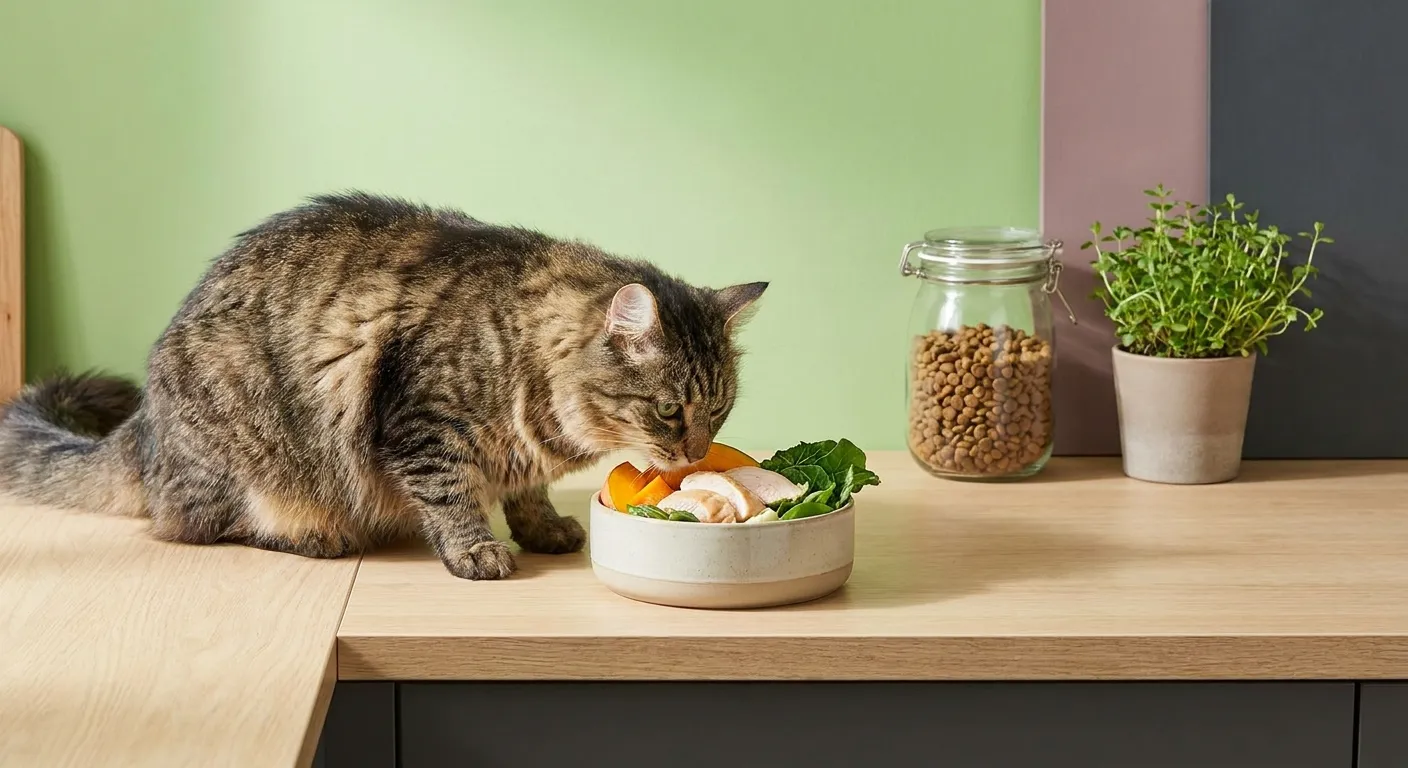
Many cats suffer from chronic digestive issues like vomiting, diarrhea, or constipation, often leading to discomfort and frequent vet visits. While various factors can contribute to these problems, diet plays a significant role. Transitioning to a natural cat diet can often be a powerful solution for feline digestive health by providing biologically appropriate nutrition that their systems are designed to process efficiently.
The Link Between Diet and Digestive Wellness
Commercial cat foods, particularly dry kibble, often contain high levels of carbohydrates, plant-based proteins, fillers, and artificial additives. These ingredients are not easily digestible for an obligate carnivore. Cats’ digestive systems are optimized for processing animal protein and fat, with a short digestive tract and specific enzymes. When fed diets high in inappropriate ingredients, the gut can become inflamed, leading to malabsorption, bacterial imbalances, and the recurring digestive upset cat owners often observe. A natural diet, rich in moisture and high-quality animal protein, supports a healthy gut microbiome and efficient nutrient absorption.
Natural Diet Strategies for Feline Digestive Health
To improve feline digestive health, consider these natural diet strategies:
- Increase Moisture Content: Switching from dry kibble to wet canned food, rehydrated freeze-dried raw, or a raw diet significantly boosts moisture intake, which is crucial for preventing constipation and aiding overall digestion.
- Prioritize Animal Protein: Ensure the diet is rich in high-quality, easily digestible animal protein sources. Avoid vague ‘meat meals’ or excessive plant proteins. Novel proteins (e.g., duck, rabbit) can be helpful if food sensitivities are suspected.
- Limit or Eliminate Grains and Fillers: These ingredients are common culprits for digestive upset. Opt for grain-free formulas and check labels for unnecessary fillers, artificial colors, or preservatives.
- Introduce Probiotics (Vet Approved): A veterinarian-recommended probiotic supplement can help restore beneficial gut bacteria, especially after antibiotic use or periods of stress.
By aligning your cat’s diet with their natural carnivorous needs, you can often alleviate chronic digestive issues and promote a much healthier, more comfortable life.
Understanding Your Cat’s Unique Digestive System
Cats are obligate carnivores, meaning their bodies are specifically adapted to thrive on a diet primarily composed of animal tissue. This fundamental biological truth is central to understanding optimal feline digestive health. Unlike omnivores, cats have a shorter digestive tract, designed for quick processing of meat and fat. Moreover, their digestive enzymes are geared towards breaking down animal proteins and fats, not large amounts of carbohydrates or plant matter. Therefore, when a cat consumes a diet high in grains, vegetable proteins, or artificial additives, their digestive system struggles. This often leads to inflammation, nutrient malabsorption, and an imbalanced gut microbiome, which manifests as various digestive problems. Recognizing these unique needs is the first step toward improving your cat’s gut well-being.
Common Digestive Issues in Cats and Their Dietary Roots
Many cat owners regularly encounter issues such as chronic vomiting, diarrhea, constipation, or even irritable bowel syndrome (IBS). These are not merely minor inconveniences; in fact, they indicate underlying digestive distress. For example, frequent vomiting after eating can suggest food sensitivities or an inability to properly digest certain ingredients. Diarrhea often points to an inflamed gut or an imbalance of beneficial bacteria. Conversely, constipation might stem from insufficient moisture in the diet or a lack of indigestible fiber from appropriate sources. In many cases, these problems can be directly linked to the ingredients found in conventional cat foods. High carbohydrate content, rendered animal by-products, and synthetic preservatives can all contribute to these widespread digestive complaints, undermining overall gut health in cats.
The Benefits of a Natural, Biologically Appropriate Diet
Transitioning to a natural cat diet offers numerous advantages for feline digestive health. Firstly, natural diets typically provide a higher moisture content, which is vital for kidney function and preventing constipation. Secondly, they emphasize high-quality animal proteins and fats, which are easily digestible and provide essential amino acids. Thirdly, these diets usually eliminate common allergens and irritants like grains, corn, soy, and artificial additives. As a result, cats often experience a reduction in inflammation, improved nutrient absorption, and a more balanced gut microbiome. Cats on natural diets frequently show increased energy, a shinier coat, and significantly fewer digestive upsets. This approach truly supports a cat’s inherent biology.
Choosing the Right Natural Food Sources
When embarking on a natural diet journey for your cat, selecting appropriate food sources is paramount. Look for foods that list animal protein as the first ingredient, ideally from identifiable sources such as chicken, turkey, or salmon. Consider wet canned foods that are grain-free and free from artificial colors, flavors, and preservatives. Freeze-dried raw or raw diets can also be excellent options, offering superior nutrient density and moisture. However, if choosing a raw diet, ensure it is nutritionally complete and balanced, and consult with a veterinarian or a feline nutritionist. Introducing novel proteins like duck or rabbit can be beneficial for cats with suspected food sensitivities, thereby helping pinpoint allergens. Always read labels carefully and prioritize whole, unprocessed ingredients for optimal feline well-being.
The Role of Probiotics and Prebiotics in Gut Health
Beyond the primary diet, incorporating probiotics and prebiotics can further enhance feline digestive health. Probiotics are beneficial bacteria that help maintain a healthy balance in the gut microbiome. They can aid in digestion, boost the immune system, and reduce inflammation. Prebiotics, on the other hand, are non-digestible fibers that act as food for these good bacteria, promoting their growth and activity. Fermented foods, while not always suitable for cats, offer some natural probiotics. For cats, however, a veterinarian-approved probiotic supplement is often the most effective way to introduce these beneficial microbes. This is particularly helpful after antibiotic treatments, which can disrupt the gut flora, or during periods of stress. Discussing supplement options with your vet is always a wise decision.
Gradual Transition for Digestive Comfort
Changing your cat’s diet, especially to a significantly different type of food, requires a gradual approach to avoid upsetting their stomach. A sudden switch can lead to vomiting or diarrhea, even if the new food is ultimately better for them. Start by mixing a small amount of the new food with their old food, gradually increasing the proportion of the new food over a period of 7-10 days, or even longer for sensitive cats. Monitor your cat’s stool consistency and overall behavior during this transition. If any digestive upset occurs, slow down the transition further. Patience is key to a successful dietary change, ensuring their system adapts comfortably to the improved nutrition. This careful process supports their digestive well-being.
Hydration: A Cornerstone of Feline Digestive Health
Moisture intake is often overlooked but is critically important for optimal feline digestive health. Cats naturally have a low thirst drive, evolved from consuming prey that provides most of their hydration. Dry kibble, which contains very little moisture, forces cats to rely heavily on drinking water, which they often do not do sufficiently. Chronic dehydration can lead to constipation, urinary tract issues, and put a strain on the kidneys. Therefore, increasing moisture in their diet through wet canned food, rehydrated freeze-dried raw, or a fresh raw diet is a powerful strategy. Additionally, providing multiple fresh water sources, including ceramic or stainless steel bowls, and even a cat water fountain, can encourage more drinking. Proper hydration ensures smooth passage of food through the digestive tract and supports overall bodily functions.
Addressing Food Sensitivities and Allergies
Sometimes, digestive issues are not just about inappropriate ingredients, but specific food sensitivities or allergies. These can manifest as chronic vomiting, diarrhea, itchy skin, or ear infections. Identifying and eliminating the offending ingredient is crucial for restoring feline digestive health. A common approach is an elimination diet, under veterinary guidance, where a cat is fed a novel protein source (one they haven’t eaten before) and a single carbohydrate source for several weeks. If symptoms improve, ingredients are slowly reintroduced to identify the culprit. Common allergens include beef, dairy, and fish. Once identified, strictly avoiding these ingredients is essential. Always consult with your veterinarian to rule out other medical conditions before starting an elimination diet.
Monitoring Your Cat’s Progress and Seeking Veterinary Advice
After implementing dietary changes for improved feline digestive health, it is vital to closely monitor your cat’s progress. Observe changes in their stool consistency, frequency of vomiting or diarrhea, energy levels, coat condition, and overall demeanor. Keep a journal to track these observations, as it can be helpful for your veterinarian. While natural diets often yield significant improvements, some digestive issues might have underlying medical causes that require professional intervention. For instance, conditions like inflammatory bowel disease (IBD) or pancreatitis necessitate veterinary diagnosis and treatment. Therefore, maintaining open communication with your vet is crucial. They can provide tailored advice, conduct necessary tests, and ensure your cat receives comprehensive care for their digestive well-being.
Long-Term Commitment to Natural Nutrition
Achieving and maintaining excellent feline digestive health is a long-term commitment. It involves consistently providing a biologically appropriate diet, monitoring your cat’s response, and adapting as needed. The benefits extend beyond just a happy gut; they encompass improved overall vitality, a stronger immune system, and a longer, healthier life for your cherished companion. Educating yourself about feline nutrition empowers you to make the best choices for your cat. Remember, every cat is an individual, and what works perfectly for one may need slight adjustments for another. However, the foundational principles of a natural, moisture-rich, animal-protein-focused diet remain the gold standard for supporting their digestive system. Embrace this journey towards optimal feline wellness.
Conclusion
Prioritizing a natural, biologically appropriate diet is arguably the most impactful step you can take to support your cat’s digestive system. By understanding their unique carnivorous needs and providing food that aligns with their biology, you can significantly alleviate common digestive issues and foster long-term health. From increasing moisture to choosing high-quality animal proteins and eliminating fillers, each strategic dietary choice contributes to a thriving gut microbiome and efficient nutrient absorption. Always remember to transition diets gradually and consult your veterinarian for personalized guidance, especially if chronic issues persist. Empowering yourself with knowledge about feline nutrition truly enables you to give your cat the gift of robust feline digestive health and a comfortable, vibrant life. For more insights into feline care, explore our Blog.
FAQ Section
What are common signs of digestive upset in cats?
Common signs include frequent vomiting, diarrhea, constipation, loss of appetite, lethargy, or a dull coat. Any persistent change in your cat’s eating habits or stool should be noted.
How quickly can a natural diet improve a cat’s digestion?
Improvements can vary. Some cats show signs of better digestion within a few weeks, while others might take a couple of months to fully adjust and show significant changes. A gradual transition is essential for comfort.
Are all wet foods considered ‘natural’ for a cat’s gut health?
Not necessarily. While wet foods offer crucial moisture, it is important to check ingredient labels. Look for options rich in animal protein, low in carbohydrates, and free from artificial additives, even within the wet food category.
Can a grain-free diet alone solve all feline gut problems?
While eliminating grains is often beneficial for a cat’s gut, it may not solve all problems. Other factors like protein quality, moisture content, and the presence of artificial ingredients also play a significant role in overall digestive wellness.
When should I consult a vet about my cat’s digestive issues?
You should consult a veterinarian if your cat experiences chronic vomiting or diarrhea, significant weight loss, lethargy, blood in stool, or any other severe or persistent digestive symptoms. Early veterinary intervention is always best.