
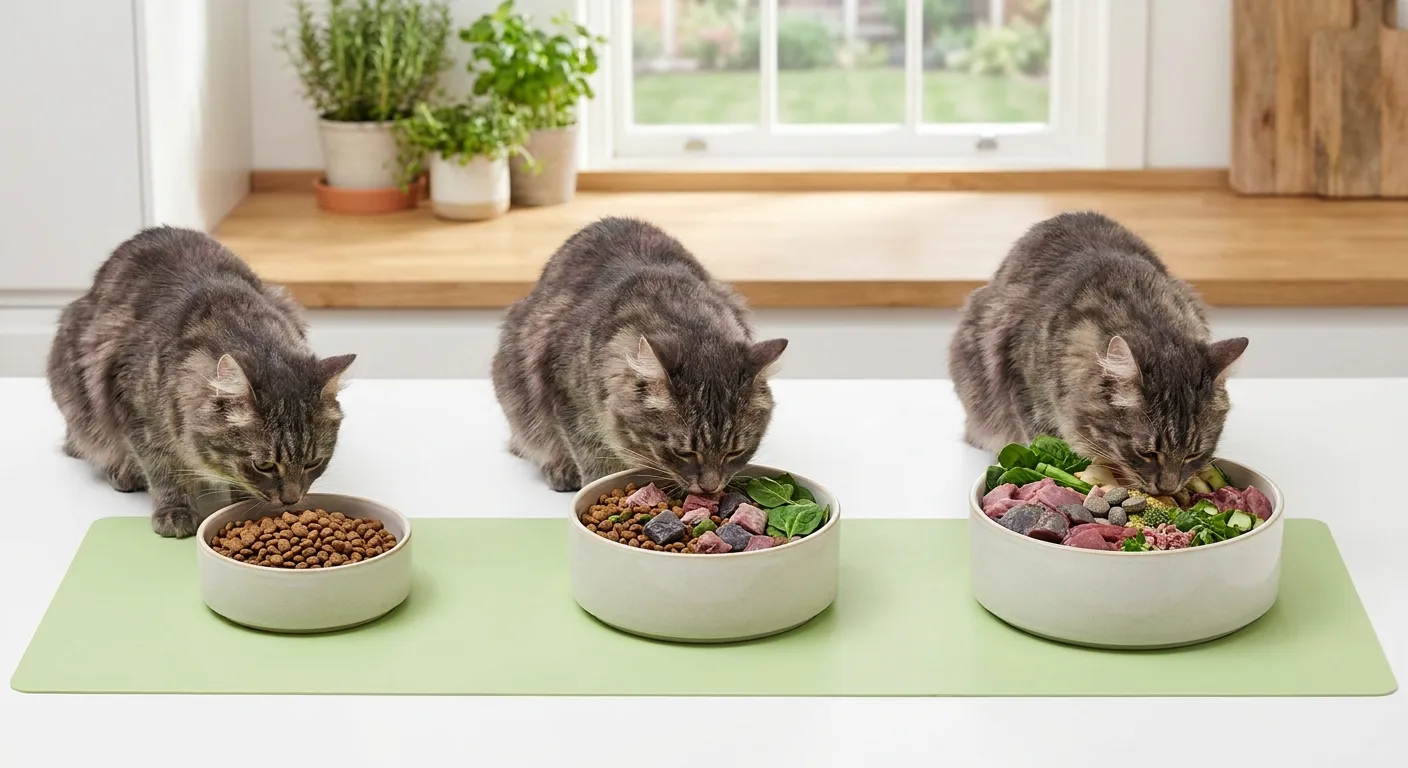
Changing your cat’s diet can be a delicate process, but a successful transition cat natural food journey can lead to significant health benefits. Cats are creatures of habit and can be notoriously picky, so patience and a gradual approach are key. Abrupt changes, moreover, can lead to digestive upset or outright food refusal, negating your good intentions. Therefore, understanding the right method is crucial for their well-being.
Why Consider a Natural Diet for Your Cat?
Many cat owners are increasingly exploring natural food options for their feline companions. This shift often stems from a desire to provide diets that more closely mimic what a cat would eat in the wild. Natural cat foods typically feature whole ingredients, fewer fillers, and often exclude artificial preservatives, colors, and flavors. Consequently, these diets can support better digestion, a healthier coat, increased energy levels, and a stronger immune system. Making the switch, however, requires careful planning and execution to avoid stress for your pet. In fact, selecting the right type of natural food, whether it’s raw, freeze-dried, or high-quality wet food, is the first important step.
Benefits of a Wholesome Feline Diet
A diet rich in natural ingredients offers numerous advantages for your cat’s long-term health. Firstly, high-quality protein sources, often found in natural foods, are essential for muscle maintenance and overall vitality. Secondly, the absence of common allergens and artificial additives can significantly reduce instances of skin irritations, digestive sensitivities, and other health issues. Furthermore, many natural diets are formulated to provide optimal hydration, especially wet food options, which is vital for kidney health. As a result, cats on natural diets frequently display improved energy, brighter eyes, and a shinier coat, reflecting their internal health. Understanding these benefits can motivate you through the gradual process of dietary change.
The Gradual Transition Method for Your Feline
The most effective way to transition cat natural food is slowly, over a period of 7-10 days, or even longer for particularly sensitive felines. Start by mixing a small amount of the new natural food with their current food. A common ratio, for example, is 25% new food to 75% old food for the first 2-3 days. Monitor your cat’s appetite, digestion, and litter box habits closely during this initial phase. If they are eating well and showing no signs of digestive upset (like vomiting or diarrhea), gradually increase the proportion of the new food while decreasing the old. This gentle approach minimizes stress on their digestive system and helps prevent food aversion. Moreover, some veterinarians recommend extending this process to two weeks or more for very finicky cats or those with sensitive stomachs. Always observe your cat’s behavior for any subtle cues of discomfort.
Week-by-Week Breakdown of the Transition
- Days 1-3: Begin with a mix of 25% new natural food and 75% old food. Observe your cat’s acceptance and digestion.
- Days 4-6: If all goes well, advance to a 50% new food, 50% old food ratio. Continue to monitor their eating habits and waste.
- Days 7-9: Increase the natural food to 75% and reduce the old food to 25%. Your cat should be largely accustomed to the new taste and texture by now.
- Days 10+: Transition to 100% natural food. For some cats, this might take longer, so be flexible and patient.
This phased approach allows your cat’s digestive system to adjust to new ingredients and textures. Similarly, it helps them psychologically adapt to the change, reducing the likelihood of food refusal. Consequently, a smooth dietary shift ensures your cat continues to receive adequate nutrition throughout the process.
Selecting the Right Natural Food for Your Cat
Choosing the best natural food involves understanding your cat’s specific needs and preferences. There are various types available, including raw, freeze-dried, gently cooked, and high-quality wet foods. Raw diets, for instance, aim to replicate a cat’s ancestral diet, consisting of raw meat, organs, and bones. Freeze-dried options offer convenience while retaining much of the nutritional value of raw ingredients. Gently cooked foods provide a middle ground, offering cooked proteins and vegetables. Furthermore, high-quality wet foods are excellent for hydration and often come in various flavors and textures. When making your selection, always read ingredient labels carefully. Look for whole meat sources as the first ingredient, and avoid products with excessive fillers, by-products, or artificial additives. A reputable brand will often provide transparent sourcing information. For more insights on optimal feline nutrition, you can visit external resources like the Feline Nutrition Foundation, which offers detailed information on cat dietary needs.
Understanding Ingredient Labels
Deciphering pet food labels can be confusing, but it’s an essential skill for any cat owner considering a natural diet. Prioritize foods where a named meat (e.g.,
Related reading: