
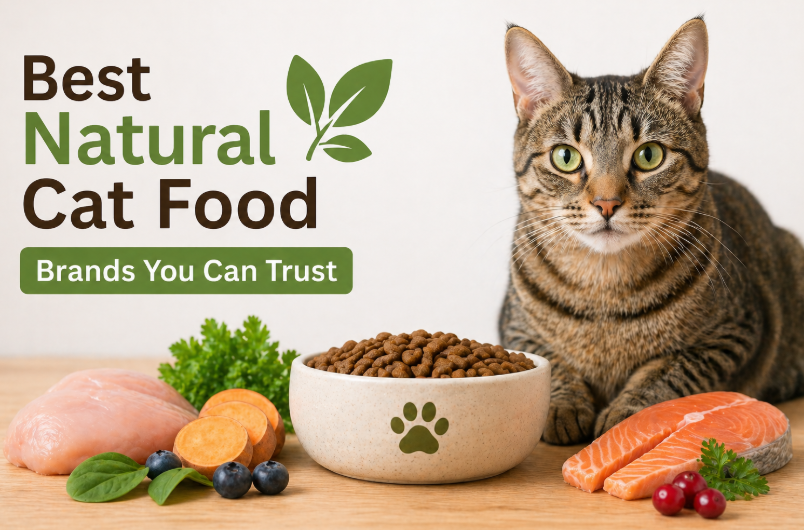
Choosing the right natural cat food can feel overwhelming, especially with so many brands claiming to offer clean and healthy ingredients. While labels often highlight appealing words, not every product delivers the same nutritional value. Because of this, it is important to understand what separates reliable options from marketing-driven ones. When you focus on ingredient quality, transparency, and proper nutrition, it becomes easier to make confident choices for your cat.
Many cat owners are now shifting toward better feeding habits to support long-term health. However, switching diets requires more than simply picking a product labeled natural. By understanding how to evaluate natural cat food, you can avoid common mistakes and create a feeding routine that truly benefits your pet.
What Defines High Quality Natural Cat Food
A high-quality natural cat food product starts with clear and simple ingredients. Instead of vague terms, trustworthy brands list specific protein sources such as chicken, salmon, or turkey. This clarity allows you to understand exactly what your cat is eating and helps you avoid low-quality fillers.
In addition, reliable brands meet established nutritional standards. These guidelines ensure that essential nutrients like taurine, protein, and healthy fats are present in the correct amounts. Without proper balance, even natural options may fail to support your cat’s health.
You should also look for transparency in sourcing. Brands that share information about where their ingredients come from tend to maintain higher quality standards. This level of detail builds trust and helps you make informed decisions.
Key Ingredients That Matter Most
When evaluating natural cat food, ingredients should always be your main focus. Animal protein should appear as the first ingredient because cats rely heavily on it for energy and muscle maintenance. Without sufficient protein, their overall health may decline.
Healthy fats are also essential. Ingredients like fish oil support skin, coat, and immune function. In addition, natural preservatives such as vitamin E are better choices than artificial chemicals.
Although some plant ingredients are acceptable, they should not dominate the formula. Excess fillers can reduce nutritional value and affect digestion. By focusing on ingredient quality, you can identify better options for your cat’s diet.
How To Compare Natural Cat Food Brands
Comparing brands becomes easier when you know what to look for. Start by reviewing the first few ingredients and checking for clear protein sources. Then, examine the guaranteed analysis to understand nutrient levels.
Next, consider brand reputation. Established companies with consistent quality and positive feedback are usually more reliable. You can also review independent resources such as pet nutrition guidelines from trusted organizations like the American Association of Feed Control Officials (AAFCO) to verify nutritional standards.
In addition, exploring educational resources like https://www.wellnessonthegreen.com/ can help you better understand feeding strategies and product comparisons. These references provide useful insights when selecting natural cat food.
Benefits Of Choosing Trusted Brands
Selecting a reliable natural cat food brand can lead to noticeable improvements in your cat’s health. One of the first benefits is better digestion. High-quality ingredients are easier to process, which reduces common issues like bloating or irregular stools.
In addition, balanced nutrition supports steady energy levels. Cats that receive proper nutrients tend to be more active and engaged throughout the day. This contributes to overall well-being and a healthier lifestyle.
Another advantage is reduced exposure to artificial additives. Over time, minimizing these ingredients can support internal health and reduce the risk of sensitivities. These benefits make it clear why choosing the right food matters.
Types Of Natural Cat Food Options
There are several types of natural cat food available, each with its own advantages. Dry food is convenient and easy to store, making it a popular choice for many households. However, it should still contain high-quality ingredients.
Wet food provides additional hydration, which is important for cats that do not drink enough water. This option can support kidney health and improve overall hydration levels.
Raw or minimally processed diets offer another alternative. These options closely mimic a cat’s natural eating habits but require careful handling and preparation. Regardless of the type, the goal is to provide balanced and nutritious meals.
Common Mistakes When Choosing Cat Food
Many owners make simple mistakes when selecting natural cat food. One common issue is relying too heavily on marketing terms. Words like “premium” or “holistic” do not always guarantee quality.
Another mistake is ignoring nutritional balance. Some products may contain good ingredients but lack essential nutrients. This can lead to deficiencies over time if not addressed.
Switching brands too frequently is also problematic. Cats need consistency, and sudden changes can disrupt digestion. Instead, once you find a suitable option, it is best to maintain a stable feeding routine.
How To Transition Your Cat Safely
Transitioning to a new diet should always be done gradually. Mixing small amounts of the new natural cat food with your cat’s current food helps prevent digestive issues. Over several days, you can increase the new food while reducing the old one.
Monitoring your cat during this process is important. Look for changes in appetite, energy, and behavior. These signs will help you determine if the new diet is working well.
Consistency also plays a key role. Feeding at the same times each day helps your cat adjust more easily. With patience and attention, the transition can be smooth and successful.
Balancing Cost And Nutrition
Cost is often a concern when choosing natural cat food, but it should not be the only factor. While high-quality options may be more expensive, they often provide better nutrition. This can reduce long-term health costs by preventing common issues.
However, not all expensive products are superior. It is important to evaluate ingredients and nutritional value rather than relying on price alone. Finding a balance between cost and quality ensures that your cat receives proper care without unnecessary expense.
In some cases, combining different feeding methods can help manage costs. For example, mixing wet and dry food can provide variety while maintaining balance.
Long Term Benefits Of Consistent Feeding
Consistency is one of the most important factors in maintaining your cat’s health. Feeding the same high-quality natural cat food over time helps stabilize digestion and energy levels. It also reduces the risk of sudden dietary issues.
Cats that receive balanced nutrition are more likely to remain active and comfortable as they age. This improves both lifespan and quality of life. In addition, fewer health problems mean less stress for both you and your pet.
By maintaining a consistent routine, you create a stable environment that supports long-term wellness.
Conclusion
Choosing the right natural cat food requires careful evaluation, but the effort is worth it. By focusing on ingredient quality, nutritional balance, and brand transparency, you can make informed decisions that support your cat’s health. While many products are available, not all provide the same level of care.
When you select a trusted brand and maintain a consistent feeding routine, you create a strong foundation for long-term wellness. From improved digestion to better energy levels, the benefits of proper nutrition are clear. With the right approach, your cat can enjoy a healthier and more balanced life.
FAQ
- How do I know if a brand is trustworthy?
Look for clear ingredient lists, proper nutritional balance, and transparent sourcing information. - Is natural food always better for cats?
It can be beneficial when balanced properly, but overall quality matters more than the label. - Can I switch between different brands often?
Frequent switching is not recommended, as it can disrupt digestion and feeding habits. - What type of food is best for hydration?
Wet food is usually better for hydration compared to dry options. - Should I consult a vet before changing diets?
Yes, professional guidance helps ensure a safe and balanced transition.