
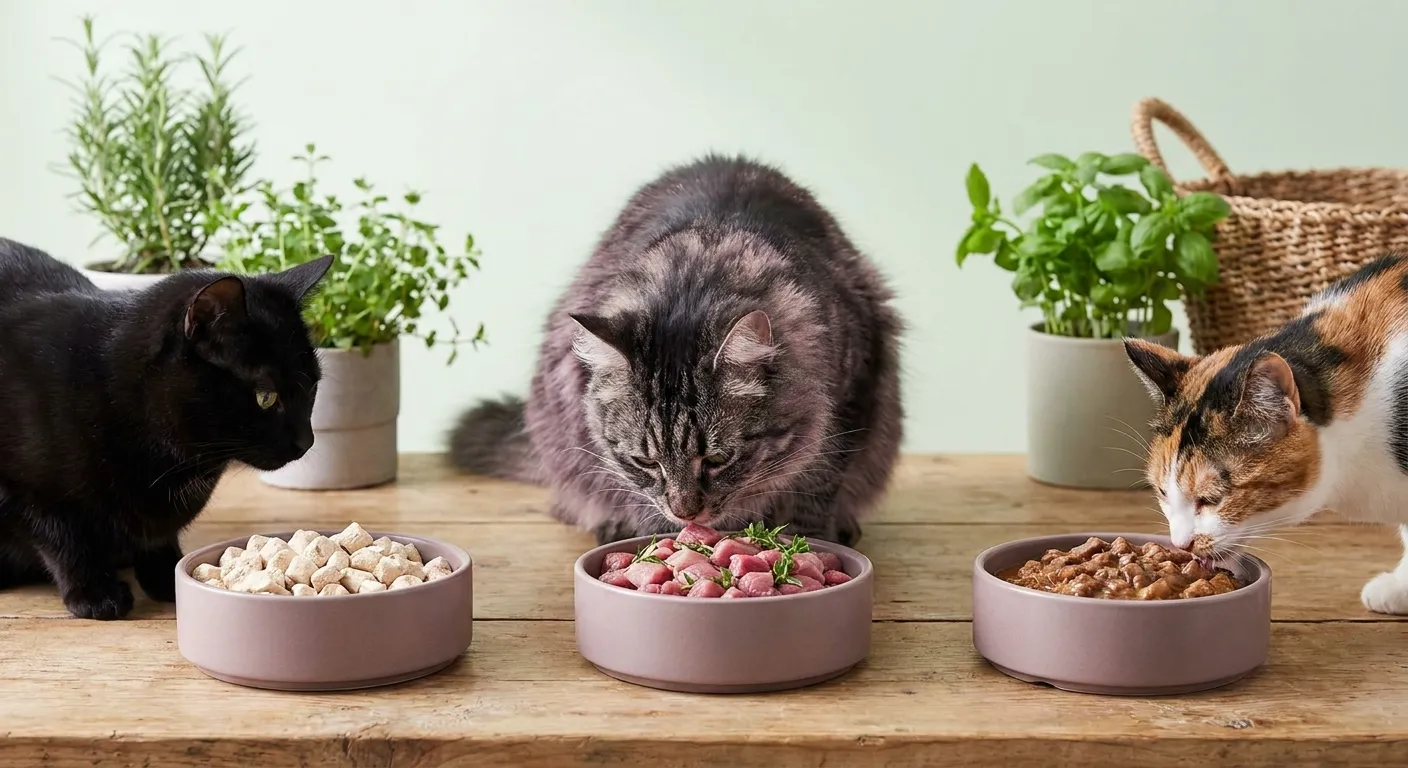
Choosing a natural diet for your cat opens up a world of options beyond traditional kibble. For many cat owners, the journey begins with understanding the various forms of natural cat food available, each offering unique benefits and considerations. From raw to freeze-dried to wet natural foods, each option aims to provide species-appropriate nutrition, but they differ in preparation, convenience, and texture. Let’s delve into the distinct types natural cat food to help you make an informed decision for your feline friend.
Raw Cat Food: The Ancestral Diet
Raw cat food, often considered the closest to a cat’s ancestral diet, typically consists of uncooked muscle meat, organ meat, and finely ground bones. Proponents believe that raw food retains maximum nutrient integrity, enzymes, and beneficial bacteria that can be lost through cooking processes. Benefits often cited include improved digestion, shinier coats, healthier teeth, and increased energy. However, raw feeding requires careful handling to prevent bacterial contamination and must be nutritionally balanced, often requiring specific recipes or commercially prepared complete raw diets. It can come in frozen patties, chubs, or ground forms, requiring thawing before serving.
Furthermore, understanding the principles behind an obligate carnivore cat diet is crucial when considering raw feeding. Cats are true carnivores, meaning their bodies are designed to thrive on animal-based protein and fat. Therefore, a raw diet aims to mimic the prey an ancestral cat would consume. This typically means a high proportion of meat, moderate fat, and very low carbohydrates. Consequently, selecting the right ingredients and ensuring proper ratios is paramount for your cat’s health. Many commercial raw diets are formulated to be complete and balanced, simplifying the process for owners. Nonetheless, always consult with a veterinarian or a feline nutritionist when starting a raw food journey.
Freeze-Dried and Dehydrated Natural Cat Food: Convenience Meets Nutrition
Freeze-dried and dehydrated natural cat foods offer a convenient alternative to raw, while still preserving much of the nutritional value of raw ingredients. Freeze-drying removes moisture through a vacuum process, leaving nutrients largely intact. This results in lightweight, shelf-stable food that can be rehydrated with water or served dry as a crunchy treat or meal. Dehydrated food uses low heat to remove water, which might slightly alter some nutrients but still offers a more minimally processed option than kibble. Both types are excellent for travel or emergency kits and are often easier to store than frozen raw food. They provide a balance of convenience and natural ingredients, making them popular among owners seeking a less messy raw-like experience.
Moreover, these natural cat food options are particularly beneficial for pet owners with busy lifestyles who still prioritize high-quality nutrition. They are easy to portion and require minimal preparation, often just adding water. For instance, many owners use freeze-dried pieces as natural cat treats, providing a nutrient-dense reward. The gentle processing methods involved help to maintain the integrity of vital nutrients, including vitamins, minerals, and amino acids, which are essential for feline health. Always check the ingredient list to ensure real meat is the primary component and that there are no artificial additives.
Wet Natural Cat Food: Hydration and Palatability
Wet natural cat food, typically found in cans or pouches, is a staple for many feline diets due to its high moisture content, which is crucial for a cat’s hydration and urinary tract health. These foods usually contain finely chopped or shredded animal proteins, often with minimal carbohydrates and artificial additives. The high moisture content makes it highly palatable and easier for cats to digest, especially for older cats or those with dental issues. When selecting wet natural cat food, look for options that list real meat as the first ingredient, avoid excessive fillers, and provide a complete and balanced nutritional profile. Each of these types natural cat food offers a unique way to provide your cat with a diet closer to nature.
Significantly, proper hydration is vital for a cat’s overall health, and wet food plays a major role in achieving this. Cats naturally have a low thirst drive, meaning they may not drink enough water on their own. Therefore, incorporating wet food into their diet can significantly contribute to their daily water intake, supporting kidney function and preventing urinary tract issues. For further reading on this critical aspect, consider exploring resources on the role of hydration in feline natural diets. Furthermore, the palatability of wet food often makes it a preferred choice for picky eaters or cats with certain health conditions.
Understanding the Nutritional Benefits of Natural Cat Food Varieties
Beyond the form factor, understanding the specific nutritional benefits of these types natural cat food is key. Raw diets, for example, are often praised for their bio-availability, meaning the nutrients are easily absorbed by the cat’s body. The lack of processing preserves delicate enzymes and probiotics that aid digestion. Moreover, the natural texture of raw meat and bones can contribute to dental health by helping to scrape away plaque. However, the risk of bacterial contamination from pathogens like Salmonella or E. coli is a serious concern, necessitating strict hygiene practices during handling and preparation. Always source raw ingredients from reputable suppliers to minimize risks. You can find more information about safe raw food handling from organizations like the American Veterinary Medical Association (AVMA) or the FDA’s guidance on raw pet food.
Freeze-dried and dehydrated foods, while still minimally processed, undergo methods that eliminate most pathogens, making them safer to handle than raw options. They retain a significant portion of the raw nutrient profile, offering a good compromise between safety and nutritional integrity. These foods are excellent for maintaining a consistent diet, especially for cats with sensitivities, as they often contain limited, high-quality ingredients. Furthermore, they are convenient for storage and travel, as they do not require refrigeration until rehydrated. The versatility of these types natural cat food makes them suitable for various feeding styles, whether as a complete meal or a topper.
Wet natural cat foods typically offer excellent protein sources and are free from many common fillers found in kibble. Their high moisture content is their standout feature, directly addressing the common issue of feline dehydration. This is especially important for cats prone to urinary crystals or kidney disease. When evaluating wet food, examining the ingredient list closely is vital. Look for whole meat sources as the first ingredient and avoid products with excessive plant-based proteins or artificial preservatives. Learning to decode cat food labels can help you make informed choices, ensuring your feline receives the best possible nutrition.
Choosing the Right Natural Cat Food for Your Feline Friend
Deciding between the various types natural cat food largely depends on your cat’s individual needs, your lifestyle, and your comfort level with different preparation methods. For instance, if you are committed to providing a diet as close to nature as possible and are comfortable with strict hygiene protocols, raw food might be an excellent choice. This approach requires careful research and potentially consultation with a veterinary nutritionist to ensure nutritional completeness. Several commercial raw brands offer pre-portioned, balanced meals, which can simplify the process.
If convenience and safety are higher priorities, but you still want to offer minimally processed food, freeze-dried or dehydrated options are superb. They offer many benefits of raw food without the same handling concerns. These foods are also versatile, serving as complete meals, toppers, or even training rewards. Their shelf-stable nature is a huge plus for emergency preparedness or when traveling with your cat. Many pet owners find these forms to be an ideal bridge between traditional and raw feeding.
Wet natural cat food is often the easiest entry point into natural feeding due to its familiarity and widespread availability. Its high moisture content provides critical hydration, which is beneficial for nearly all cats, particularly those with a history of urinary tract issues. Always select high-quality wet foods with real meat as the primary ingredient and minimal fillers. For cats with digestive sensitivities, wet food can often be easier to digest due to its softer texture and moisture content. If your cat has specific cat food allergens, carefully checking the ingredient list of any chosen wet food is essential.
Transitioning to Natural Cat Food
Regardless of which of the types natural cat food you choose, a gradual transition is always recommended. Abrupt changes in diet can cause digestive upset in cats. A slow introduction over 7-10 days, gradually increasing the proportion of the new food while decreasing the old, usually works best. Start with a small amount of the new food mixed with the old, then slowly increase the new food’s ratio each day. Observe your cat for any signs of digestive distress, such as vomiting or diarrhea. If issues arise, slow down the transition further. For a comprehensive guide on this process, refer to our article on transitioning your cat to natural food.
It is important to remember that every cat is unique. What works wonderfully for one cat might not be ideal for another. Factors such as age, activity level, existing health conditions, and even breed can influence the best dietary choice. Regularly monitor your cat’s weight, coat condition, energy levels, and litter box habits to ensure the chosen diet is meeting their needs. Consulting with your veterinarian or a feline nutritionist can provide personalized advice and ensure your cat receives optimal nutrition.
Beyond the Bowl: Holistic Feline Wellness
Choosing the right food is a significant step towards holistic feline wellness, but it’s part of a larger picture. Providing a species-appropriate diet, whether it’s raw, freeze-dried, or wet, supports various bodily functions. This includes maintaining a healthy weight, supporting strong immunity, and promoting a vibrant coat. Furthermore, adequate hydration, regular exercise, and mental stimulation are equally important components of a happy and healthy cat’s life. By focusing on these elements, you contribute to your cat’s overall well-being, ensuring they thrive for years to come. For more insights into the broader benefits, explore natural cat food benefits.
Ultimately, the goal is to provide your cat with the best possible nutrition that aligns with their biological needs. Understanding the differences among the various types natural cat food empowers you to make informed decisions. Whether you opt for the ancestral purity of raw, the convenience of freeze-dried, or the hydration benefits of wet food, prioritizing natural, high-quality ingredients will always lead to a healthier, happier cat. Continue to educate yourself, observe your cat’s responses, and consult with professionals to fine-tune their diet as needed. Your cat’s health is an ongoing journey of informed choices.
Conclusion
Exploring the different types natural cat food reveals a spectrum of choices, each designed to provide optimal nutrition for your feline companion. From the biologically appropriate raw diet to the convenient freeze-dried options and the hydrating benefits of wet food, there’s a natural food solution for every cat and every owner’s lifestyle. Ultimately, the best choice is one that meets your cat’s unique nutritional requirements, supports their health, and fits seamlessly into your routine. By making informed decisions, you are well on your way to fostering a thriving and healthy life for your beloved cat.
FAQ
What are the primary differences between raw and freeze-dried cat food?
Raw cat food consists of uncooked ingredients, aiming to replicate an ancestral diet, preserving enzymes and probiotics. Freeze-dried cat food is raw food with moisture removed through a vacuum process, making it shelf-stable and safer to handle while retaining much of the raw nutritional value.
Is wet cat food better for my cat’s hydration?
Yes, wet cat food has a high moisture content, typically around 70-80%, which significantly contributes to your cat’s daily water intake. This is crucial for maintaining urinary tract health and overall hydration, especially since cats often have a low natural thirst drive.
How do I choose the best natural cat food for a picky eater?
For picky eaters, palatability is key. Wet natural cat food is often highly palatable due to its texture and moisture. You might also try freeze-dried options rehydrated with warm water or broth to enhance aroma and appeal. Experiment with different protein sources and textures to find what your cat prefers.
Are there any risks associated with feeding a raw diet to cats?
Yes, feeding a raw diet carries risks, primarily bacterial contamination from pathogens like Salmonella or E. coli, which can affect both cats and humans. It also requires careful formulation to ensure it’s nutritionally complete and balanced. Always practice strict hygiene and consult a vet.
What should I look for on the label of natural cat food?
When selecting natural cat food, look for real meat as the first ingredient. Avoid artificial preservatives, colors, and flavors. Also, check for a statement indicating the food is