
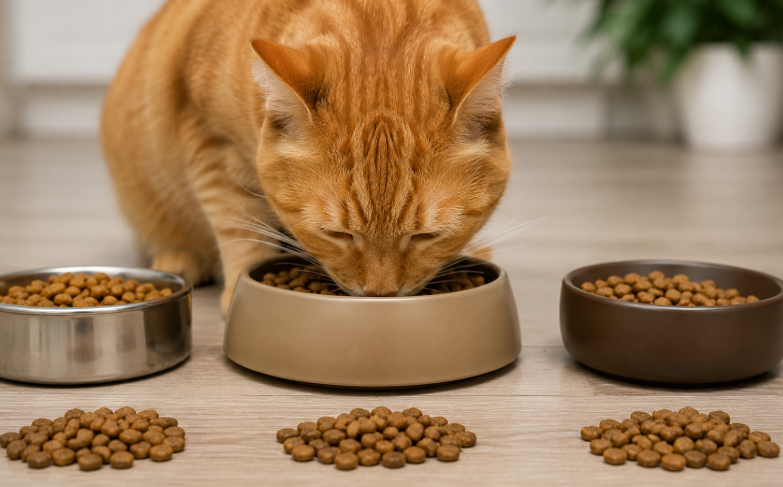
Cats can be surprisingly sensitive to dietary changes. If you need to switch cat food, taking the right approach can make the process much easier on your pet’s digestive system. While it may seem simple to replace one product with another, sudden changes often lead to vomiting, diarrhea, reduced appetite, or general discomfort. Fortunately, a gradual transition helps most cats adapt successfully. By understanding how feline digestion works and recognizing your cat’s individual needs, you can introduce a new diet with confidence and minimize the risk of digestive upset.
Why You Should Never Switch Cat Food Too Quickly
Many owners underestimate how strongly cats respond to dietary changes. When you switch cat food abruptly, the digestive system has little time to adapt to different ingredients, nutrient levels, and protein sources. As a result, the stomach and intestines may react negatively. Even healthy cats can experience temporary digestive issues when their meals change too fast.
Unlike some animals, cats often develop strong preferences for texture, aroma, and flavor. Therefore, a sudden replacement can create both digestive and behavioral challenges. In some cases, a cat may refuse to eat altogether. Because cats should not go without food for extended periods, this situation can quickly become concerning.
Veterinarians generally recommend a gradual transition because it allows beneficial gut bacteria to adjust. As the digestive tract becomes familiar with the new ingredients, symptoms are less likely to occur. When you switch cat food slowly, the body has enough time to process the change without placing unnecessary stress on the digestive system.
Another important factor is ingredient composition. Different foods contain varying amounts of protein, fat, fiber, and carbohydrates. Some formulas rely heavily on poultry, while others feature fish, beef, or novel proteins. Even a high-quality product can cause temporary digestive disturbances if introduced too quickly. A patient approach remains the safest option.
A Step-By-Step Transition Plan
The most reliable way to switch cat food is through a gradual mixing process. Instead of replacing the old food immediately, combine both foods in increasing proportions over seven to ten days. This method helps the digestive system adapt steadily.
Start by mixing approximately 75 percent of the current food with 25 percent of the new formula. Continue this ratio for the first two or three days while monitoring appetite, stool quality, and overall behavior. If your cat appears comfortable, increase the new food to roughly half of each meal for the next few days.
Afterward, move to a ratio of 75 percent new food and 25 percent old food. Continue observing your cat carefully. Finally, once several days have passed without issues, serve the new diet exclusively. This gradual progression significantly reduces digestive stress.
When you switch cat food, patience matters more than speed. Some cats adapt within a week, while others require two weeks or longer. Older cats, highly sensitive cats, and those with medical conditions often benefit from a slower transition schedule.
Hydration also plays a major role during dietary changes. Fresh water should always be available, especially if the new food contains different moisture levels. Cats transitioning from wet food to dry food may need extra encouragement to drink. Conversely, cats moving toward wet food often benefit from the additional hydration.
Pay close attention to stool consistency throughout the process. Mild changes may occur temporarily. However, persistent diarrhea, repeated vomiting, severe lethargy, or complete refusal to eat should prompt a call to your veterinarian. Early intervention helps prevent more serious complications.
Signs Your Cat Is Adjusting Well
Most cats show several positive indicators when dietary changes proceed successfully. Consistent appetite is usually the first sign. A cat that approaches meals with interest and finishes normal portions is generally adapting well.
Healthy stool quality offers another encouraging signal. Minor fluctuations can occur during the first few days. However, stools should remain relatively well formed and regular. Likewise, normal energy levels suggest that digestion is functioning properly.
As you switch cat food, monitor your cat’s coat condition and body weight. Although long-term changes take time to appear, stable weight and a healthy-looking coat indicate that nutritional needs are being met. Many owners also notice improved enthusiasm at mealtime when the new diet suits their cat’s preferences.
Behavior provides valuable information as well. Cats experiencing digestive discomfort may hide, become less social, or seem unusually irritable. On the other hand, a relaxed and active cat is often adapting successfully to the new feeding routine.
It is equally important to understand what constitutes a normal adjustment period. Slightly softer stools for a day or two may not indicate a problem. Similarly, temporary curiosity or caution around a new food is common. What matters most is the overall trend. If symptoms worsen instead of improving, additional evaluation may be necessary.
When owners switch cat food carefully and observe changes consistently, potential issues often become easier to identify before they become serious. This proactive approach helps protect both digestive health and overall well-being.
Common Mistakes That Can Cause Digestive Upset
Even with the best intentions, many cat owners make mistakes during dietary transitions. One of the most common errors is moving too quickly. A cat that appears interested in the new food may still need time for digestive adaptation. Therefore, rushing the process can create avoidable problems.
Another frequent mistake occurs when owners introduce multiple changes at once. For example, adding new treats, supplements, and a different food simultaneously makes it difficult to determine the source of any digestive reaction. Whenever possible, change only one dietary factor at a time.
Portion control deserves attention as well. Some owners accidentally overfeed because they are eager for their cat to enjoy the new food. Excessive portions can contribute to stomach upset regardless of food quality. Following feeding guidelines helps maintain digestive stability.
When you switch cat food, ingredient differences should also be considered carefully. A product marketed as premium is not automatically appropriate for every cat. Certain animals tolerate specific proteins better than others. Likewise, cats with food sensitivities may require specialized diets recommended by a veterinarian.
Stress can influence digestion more than many people realize. Household changes, travel, new pets, or altered routines may affect appetite and gastrointestinal function. If possible, avoid major dietary transitions during particularly stressful periods.
Some cats require prescription diets due to allergies, kidney disease, urinary issues, or other health concerns. In these situations, the transition process should follow veterinary guidance. Medical conditions often require additional monitoring and customized recommendations.
Owners should also avoid using hunger as a tool to force acceptance. Cats can be stubborn about unfamiliar foods, yet withholding meals may create additional health risks. Instead, gradual exposure and patience usually produce better results.
If you switch cat food and encounter resistance, warming wet food slightly can enhance aroma and increase acceptance. Mixing foods thoroughly may also help create a more familiar texture. Small adjustments often make the transition smoother without compromising digestive comfort.
Certain life stages present unique challenges. Kittens, adult cats, and senior cats all have different nutritional requirements. Transitioning between life-stage formulas should still occur gradually, even when both foods come from the same manufacturer. The digestive system benefits from consistency regardless of age.
For households with multiple cats, feeding management becomes especially important. Each cat may respond differently to a new diet. Monitoring individual eating habits helps ensure that every pet adapts appropriately. Separate feeding stations can make observation much easier.
When owners switch cat food thoughtfully and avoid common pitfalls, the likelihood of digestive upset decreases considerably. Small, consistent steps often produce the best long-term results.
Choosing the Right New Diet
Selecting an appropriate replacement food is just as important as the transition itself. Before you switch cat food, evaluate why the change is necessary. Some owners seek better nutrition, while others need a solution for allergies, weight management, or age-related needs.
Reading ingredient labels can provide useful insights. High-quality animal protein should generally appear near the beginning of the ingredient list. Additionally, nutritional adequacy statements help confirm that the food meets established standards for your cat’s life stage.
Consulting a veterinarian remains one of the most effective ways to choose a suitable diet. Professional guidance becomes especially valuable when underlying medical concerns are involved. A veterinarian can assess your cat’s health status and recommend formulas that align with specific nutritional goals.
Palatability matters too. Even the healthiest food offers limited benefits if a cat refuses to eat it. Therefore, consider flavor preferences and texture preferences when selecting a new product. Some cats strongly favor pâté-style wet foods, while others prefer chunks, shreds, or dry kibble.
As you switch cat food, maintain realistic expectations. Digestive adaptation takes time, and long-term benefits may not appear immediately. Improvements in coat quality, body condition, or energy levels often develop gradually over several weeks or months.
Cost is another practical consideration. Choosing a food that fits your budget encourages consistency and reduces the likelihood of frequent diet changes. Repeatedly changing products can make digestion less predictable and create unnecessary stress.
Many owners wonder whether grain-free formulas are automatically superior. In reality, suitability depends on the individual cat rather than marketing claims alone. Nutritional balance, ingredient quality, and veterinary recommendations generally matter more than a single label.
When evaluating options, pay attention to your cat’s unique history. Previous digestive reactions, allergies, and preferences can offer valuable clues about which products may work best. A thoughtful selection process often leads to a smoother transition and better overall outcomes.
If you switch cat food with a clear purpose and a carefully chosen product, the chances of success increase significantly. The goal is not simply change for its own sake but finding a diet that supports long-term health and comfort.
Digestive health plays a central role in a cat’s quality of life. Although changing diets can seem intimidating, most cats adapt well when the process is gradual and carefully monitored. Taking time to observe appetite, stool quality, hydration, and behavior provides important feedback throughout the transition. Most importantly, owners who switch cat food patiently give their cats the best opportunity to adjust comfortably. With the right plan, appropriate nutrition, and consistent observation, dietary changes can become a positive step toward better health rather than a source of digestive trouble.
FAQ
1. How long should a diet transition take for most cats?
Most cats adjust successfully within seven to ten days. However, sensitive cats may need two weeks or longer for the smoothest transition.
2. What should I do if my cat develops diarrhea during the change?
Slow the transition process and monitor symptoms closely. If diarrhea persists, becomes severe, or is accompanied by other symptoms, contact a veterinarian.
3. Can I change from wet food to dry food immediately?
A gradual transition is usually safer. Sudden changes in moisture content and ingredients may increase the risk of digestive discomfort.
4. Why is my cat refusing the new diet?
Cats often react to unfamiliar smells, flavors, or textures. Mixing foods gradually and warming wet food slightly may improve acceptance.
5. When should I seek veterinary advice?
Consult a veterinarian if your cat experiences repeated vomiting, prolonged diarrhea, significant lethargy, weight loss, or refuses food for an extended period.