
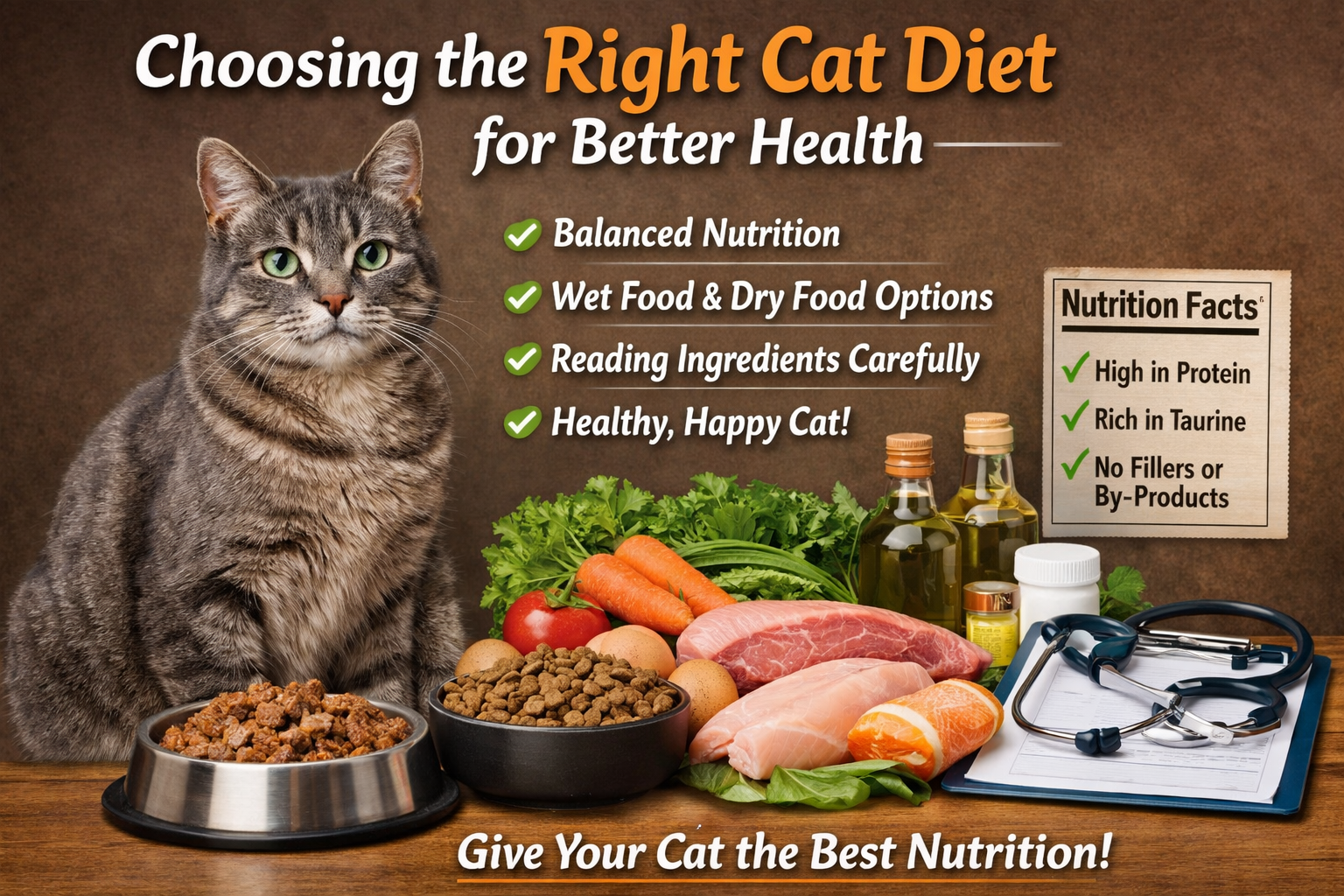
When your cat refuses healthier food, it can quickly become frustrating, especially when your goal is to improve their diet and overall well-being. Many cat owners face this exact challenge, and it often feels like your cat is choosing unhealthy options on purpose. However, the situation is rarely that simple, and understanding the underlying reasons makes a big difference.
At first, it helps to know that cats are naturally cautious about new foods. Because they rely heavily on scent and familiarity, even a small change can cause hesitation. When your cat refuses healthier food, it is usually a response to unfamiliar smells, textures, or routines rather than stubbornness. With patience and the right approach, you can guide your cat toward better eating habits without creating stress.
Why Cats Resist Healthier Food Changes
There are several reasons why your cat refuses healthier food, and most of them relate to instinct and past experiences. Cats are creatures of habit, so if they have eaten the same food for years, any change feels unusual. This reaction is especially common when switching from processed food to more natural options.
In addition, highly processed food often contains flavor enhancers that make it more appealing. As a result, healthier food may seem less exciting at first. This does not mean your cat dislikes it permanently; it simply needs time to adjust.
Moreover, texture plays a role. Some cats prefer crunchy kibble, while others enjoy soft, moist food. If the new food feels different, your cat may hesitate. Therefore, identifying preferences can help you find a better match.
Start With a Gradual Transition
The most effective way to handle a situation where your cat refuses healthier food is to introduce it slowly. Begin by mixing a small portion of the new food with your cat’s current diet. At first, keep the ratio heavily weighted toward the familiar food.
Over several days, gradually increase the amount of healthier food while reducing the old one. This slow transition allows your cat’s senses and digestive system to adapt comfortably. In many cases, this simple method solves the problem.
If your cat still resists, extend the transition period. Some cats need more time, and rushing the process can lead to setbacks. Consistency matters more than speed in achieving long-term success.
Improve the Smell and Taste Naturally
When your cat refuses healthier food, enhancing its appeal can make a noticeable difference. Since cats rely on scent, warming the food slightly helps release natural aromas. This makes the food more attractive without adding artificial ingredients.
You can also mix in a small amount of a favorite natural topper. For example, a bit of cooked chicken or fish can encourage your cat to try the new food. Over time, reduce these additions as your cat becomes more comfortable.
In addition, consider texture. Mixing wet and dry food can create a balance that suits your cat’s preferences. Small adjustments like these often lead to better acceptance.
Establish a Consistent Feeding Routine
A structured routine can help when your cat refuses healthier food. Feeding your cat at the same times each day creates predictability, which reduces anxiety around meals. Over time, your cat learns when to expect food and becomes more willing to eat.
In contrast, free feeding can reduce motivation. If food is always available, your cat may ignore new options. Therefore, offering meals at set times encourages better eating habits.
Removing uneaten food after a certain period also reinforces the routine. This teaches your cat that food is not always available, increasing the likelihood of trying new meals.
Avoid Common Mistakes That Delay Progress
When dealing with a situation where your cat refuses healthier food, certain mistakes can slow progress. One common error is switching foods too quickly. This often leads to rejection and digestive issues.
Another mistake is offering multiple new foods at once. While variety may seem helpful, it can overwhelm your cat. Instead, focus on one option at a time to build familiarity.
Additionally, giving up too soon can reinforce picky behavior. If you return to old food immediately, your cat learns that refusal leads to preferred options. Staying consistent encourages gradual acceptance.
Understand Your Cat’s Preferences
Each cat is unique, and preferences play a major role when your cat refuses healthier food. Some cats prefer certain proteins, while others respond better to specific textures. Paying attention to these details helps you choose the right food.
If one type of healthier food fails, try another within the same category. For example, switching from chicken to fish may produce better results. This flexibility increases your chances of success.
In addition, portion size can influence behavior. Smaller portions may feel less overwhelming, making your cat more willing to try the food. Once acceptance improves, you can adjust the amount.
Use Positive Reinforcement
Positive reinforcement can be very effective when your cat refuses healthier food. Praise your cat gently when it shows interest in the new food. Even small actions, like sniffing or tasting, are steps in the right direction.
You can also reward progress with a small treat or extra attention. This creates a positive association with the new diet. Over time, your cat begins to view the food as something enjoyable.
However, avoid negative reactions. Forcing or scolding your cat can increase resistance. A calm and supportive approach always leads to better outcomes.
Monitor Health and Behavior Changes
When your cat refuses healthier food, it is important to monitor its overall condition. Watch for signs such as weight loss, low energy, or digestive issues. These changes may indicate that adjustments are needed.
In most cases, gradual transitions prevent serious problems. However, if your cat refuses to eat for an extended period, seek professional advice. Cats should not go too long without food, as this can affect their health.
Observing behavior also helps you understand progress. Increased curiosity or small improvements in eating habits signal that the transition is working.
When to Seek Veterinary Guidance
If your cat refuses healthier food consistently, a veterinarian can provide valuable insight. Medical issues, such as dental pain or digestive problems, may affect appetite. Identifying these issues ensures your cat receives proper care.
In addition, a veterinarian can recommend suitable food options based on your cat’s needs. This personalized guidance helps you choose the right diet with confidence.
Seeking professional advice is especially important if your cat shows sudden or severe changes in eating behavior. Early intervention can prevent more serious complications.
Long-Term Benefits of a Healthier Diet
Once you overcome the challenge of when your cat refuses healthier food, the benefits become clear. Many cats experience improved digestion and better nutrient absorption. These changes support overall health and comfort.
In addition, coat quality often improves. Healthier food provides essential nutrients that lead to a shinier appearance and reduced shedding. Energy levels may also increase, making your cat more active.
Over time, a balanced diet can reduce the risk of certain health issues. While no diet guarantees perfect health, better nutrition plays a significant role in long-term well-being.
Conclusion
When your cat refuses healthier food, patience and consistency are your most valuable tools. By understanding your cat’s behavior, introducing changes gradually, and enhancing the appeal of new food, you can create a smoother transition. Although the process may take time, the results are worth the effort.
With a thoughtful approach, even the most resistant cats can learn to accept healthier options. In the end, your dedication leads to better nutrition, improved health, and a happier life for your cat.
FAQ
- Why does my cat avoid new food?
Cats often resist unfamiliar smells, textures, and routines, which can make new food less appealing at first. - How long should I try a new diet before switching again?
Give your cat at least one to two weeks with a gradual transition before making changes. - Can I mix old and new food permanently?
Yes, but ensure the overall diet remains balanced and supports your cat’s nutritional needs. - What if my cat refuses to eat at all?
If your cat stops eating completely, consult a veterinarian as soon as possible. - Is it normal for cats to be picky eaters?
Yes, many cats are naturally selective, but with patience, most can adapt to healthier options.