
This guide to natural cat food storage is general information, not veterinary advice. Talk with your veterinarian about your cat’s specific needs.
Storing cat food can feel confusing, especially when every website seems to say something different about cans, bags and bins. The good news is that you do not have to figure it out alone. The label on your cat’s food and your veterinarian are your best partners in building a healthy routine.
This guide explains the basics of natural cat food storage: reading best-by dates, keeping opened wet food, storing dry food, cleaning containers and knowing when to let food go. It also lists questions to bring to your vet. We link to resources from the U.S. Food and Drug Administration and veterinary organizations so you can read more. If you would like an overview of food formats first, our guide to types of natural cat food, from raw to freeze-dried to wet is a good companion read.
Reading best-by dates
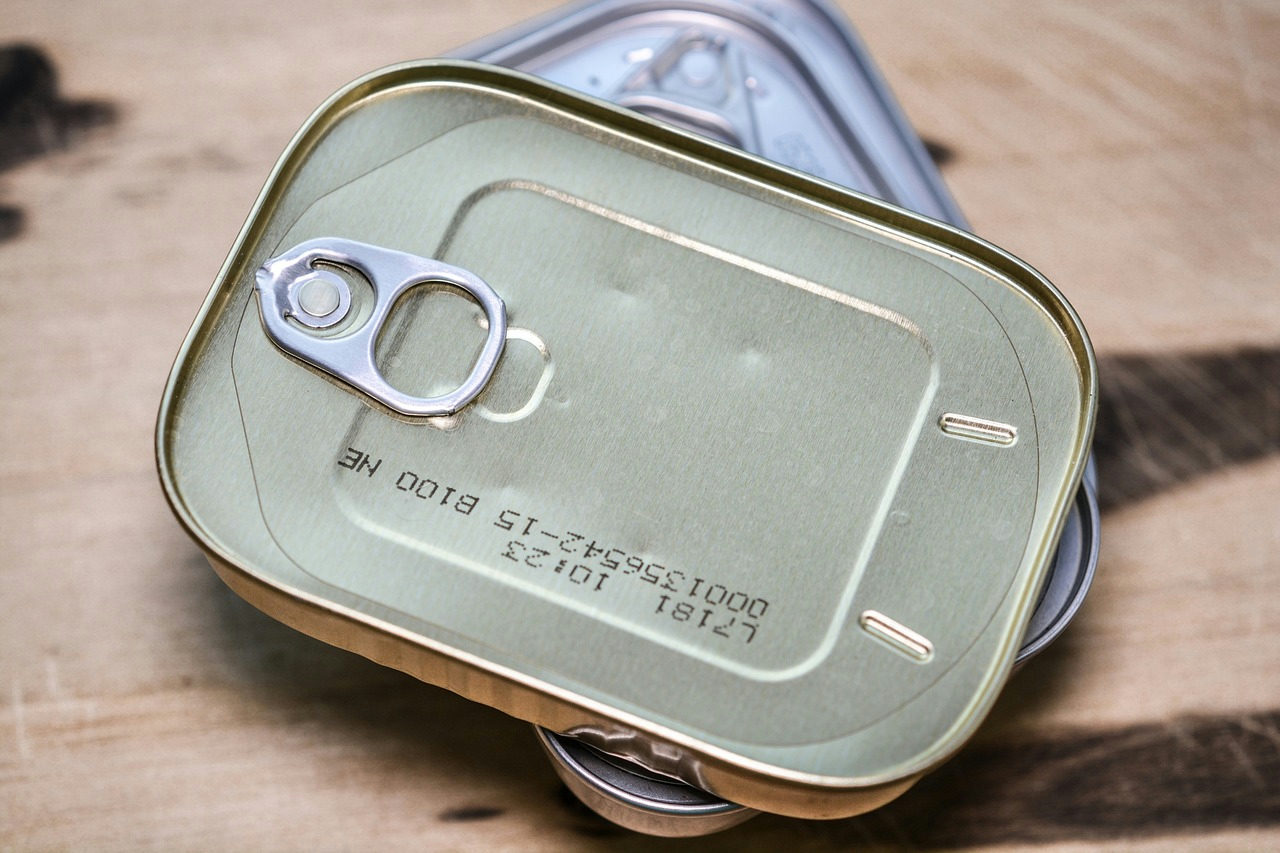
Most cat food packaging carries a best-by date, a lot number or both. These two small details are some of the most useful words on the bag.
A quick date checklist:
- Find the best-by date before you buy. It is often printed on the bottom of a can, the back of a pouch or the top seam of a bag.
- Choose a package that you expect to finish well before that date.
- Find the lot number too. It usually sits near the date.
- Take a photo of both, especially if you plan to move dry food into another container.
- Remember that the best-by date applies to the unopened package. Once opened, follow the label’s opened-food directions.
If you cannot find a date or a lot number, it is reasonable to ask the brand where to look. For background reading, the FDA publishes a page on proper storage of pet food and treats.
Storing opened wet food
Wet food, whether in cans, trays or pouches, behaves a lot like fresh food once it is open. A steady routine helps it stay as fresh as possible.
An opened wet food checklist:
- Check the label for how to store leftovers and how soon to use them.
- Cover the opened can or tray with a pet food lid, or move leftovers into a clean, covered container.
- Put leftovers in the refrigerator promptly after the meal.
- Label the container with the date you opened it.
- Use a clean spoon each time you take food out.
- If your cat prefers food that is not fridge-cold, ask your vet about the best way to take the chill off.
- Throw away any leftovers past the time the label suggests.
Pick up uneaten wet food after the meal rather than leaving it out for later. Then wash the bowl before the next meal.
Keeping dry food in its bag
Many owners like to tip dry food into a neat storage bin. That can work well, but the original bag carries the best-by date and lot number, and the brand chose that packaging for that food.
A dry food storage checklist:
- Keep the food in its original bag and roll the top down tightly after each use.
- If you prefer a bin, place the whole bag inside it rather than pouring the food in loose.
- Choose a container with a snug lid.
- Store the bag somewhere cool and dry, away from the stove, the dishwasher, heaters and sunny windows.
- Keep the bag off the floor if your home has damp areas or pests.
- Use a clean, dry scoop that lives with the food, not in the sink.
- Check the label for any guidance on how soon to use the food after opening.
If you do pour dry food into a container, tape the label section with the product name, best-by date and lot number onto the lid.
Cleaning storage containers
Storage containers and scoops can collect crumbs and dust over time. Cleaning them on a schedule is a simple habit.
- Empty the container fully before adding a new bag.
- Wash the container, lid and scoop with warm, soapy water.
- Rinse well so no soap remains.
- Dry everything completely before refilling.
- Finish one bag, clean the container, then start the next, rather than topping up old food with new.
- Wash wet food lids and storage tubs after each use.
The FDA also publishes tips for safe handling of pet food and treats.
Signs food should be thrown out
Sometimes the calmest choice is simply to let food go. Throw it away rather than feeding it if you notice any of the following:
- The food smells sour, rancid or unusual.
- You see mold, damp patches or clumping in dry food.
- A can is bulging, leaking, badly dented or rusty.
- A pouch or tray is swollen or the seal is broken.
- The color or texture looks wrong.
- You find insects or signs of pests in the bag.
- Opened food is past the time the label suggests.
- The food has been recalled.
If something seems off but you are not sure, it is reasonable to throw it away and contact the brand.
Natural cat food storage for travel and busy weeks
Routines can slip when life gets busy or when you travel with your cat. A little planning can help:
- Pack dry food in its original bag or a small sealed bag with the label details noted.
- Take unopened cans or pouches rather than opened leftovers.
- Bring a cool bag if you need to carry opened wet food for a short trip.
- Leave written storage notes for pet sitters, including where the lot number is and what to do with leftovers.
- Choose a package size you can finish while it is fresh.
A storage log you can copy
| Product | Lot number | Best-by date | Date opened | Notes |
|---|---|---|---|---|
A simple log like this makes recall checks easier and gives you clear notes to share with your vet.
When to call your vet
Health cue reminder: if you notice changes in eating, litter box habits or energy, call your veterinarian. They know your cat best. In particular, call your vet if:
- You see vomiting, diarrhea or changes in litter box habits.
- Your cat eats less than usual or refuses food.
- Your cat seems tired, hides more or acts unlike themselves.
- You think your cat ate food that was spoiled, moldy or recalled.
If something worries you, stop feeding that food, keep the package and call your vet.
Questions to ask your vet
Write down your questions before your next visit. Here are a few to start with:
- Is my cat’s food stored in a way that suits their needs?
- What is the best way to serve refrigerated wet food?
- Does my cat’s health mean I should take extra care with food freshness?
- What should I do if my cat ate food that seemed spoiled?
- Which health cues should I watch for after a food problem?
Further reading
- U.S. Food and Drug Administration: Proper Storage of Pet Food and Treats
- U.S. Food and Drug Administration: Tips for Safe Handling of Pet Food and Treats
- VCA Animal Hospitals: Dry, Canned, or Semi-Moist: Food Choices for Cats
- American Association of Feline Practitioners: How to Feed a Cat consensus statement announcement
Good natural cat food storage is mostly a handful of small habits: keep the label details, seal and chill what needs it, and let go of anything that seems off. This is general information, not veterinary advice. Talk with your veterinarian before making changes to your cat’s diet. Calm care, one step at a time.