[be_published_modified_date]
Beyond the Bowl: Holistic Approaches to Feline Gut Wellness and Sustainability
In the journey to ensure our cats are not just living, but truly thriving, the focus often begins with what’s in their food bowl. However, a truly holistic approach to feline gut wellness and sustainability extends far beyond. It encompasses lifestyle, environment, and even the ethical considerations of what we feed them. As responsible cat owners, we seek to embody the message that from digestion to disposition, you’ll see the “Thrive Inside” difference. Optimal health is a mosaic of interconnected factors. At Natural Cat Food Guide, we empower you with knowledge. This knowledge integrates science-backed nutrition with a broader understanding of well-being and sustainability.
Recent trends in feline nutrition, particularly from 2025-2026, show a significant move towards minimally processed whole ingredients and functional additives. Moreover, the conversation is expanding to include environmental impact and ethical sourcing. Eco-conscious pet owners increasingly favor brands that use responsibly sourced ingredients and recyclable packaging. This broader perspective allows us to make choices that benefit our cats, our planet, and our consciences.
Optimizing Feline Gut Wellness and Sustainability Through Diet
Diet remains the cornerstone of digestive health. Understanding the intricate connection between diet and feline gut wellness and sustainability is paramount. A balanced, species-appropriate diet supports a robust microbiome. This, in turn, influences everything from immunity to mood. Furthermore, conscious dietary choices positively impact the environment.
Integrating Homemade Toppers for a Gut Boost
While high-quality natural cat food forms the cornerstone of a gut-healthy diet, supplementing with homemade toppers can provide additional moisture, fresh nutrients, and a burst of flavor. This approach encourages picky eaters. These simple additions can introduce beneficial enzymes, prebiotics, and probiotics. Consequently, they further support a balanced microbiome.
Simple, Gut-Friendly Topper Ideas:
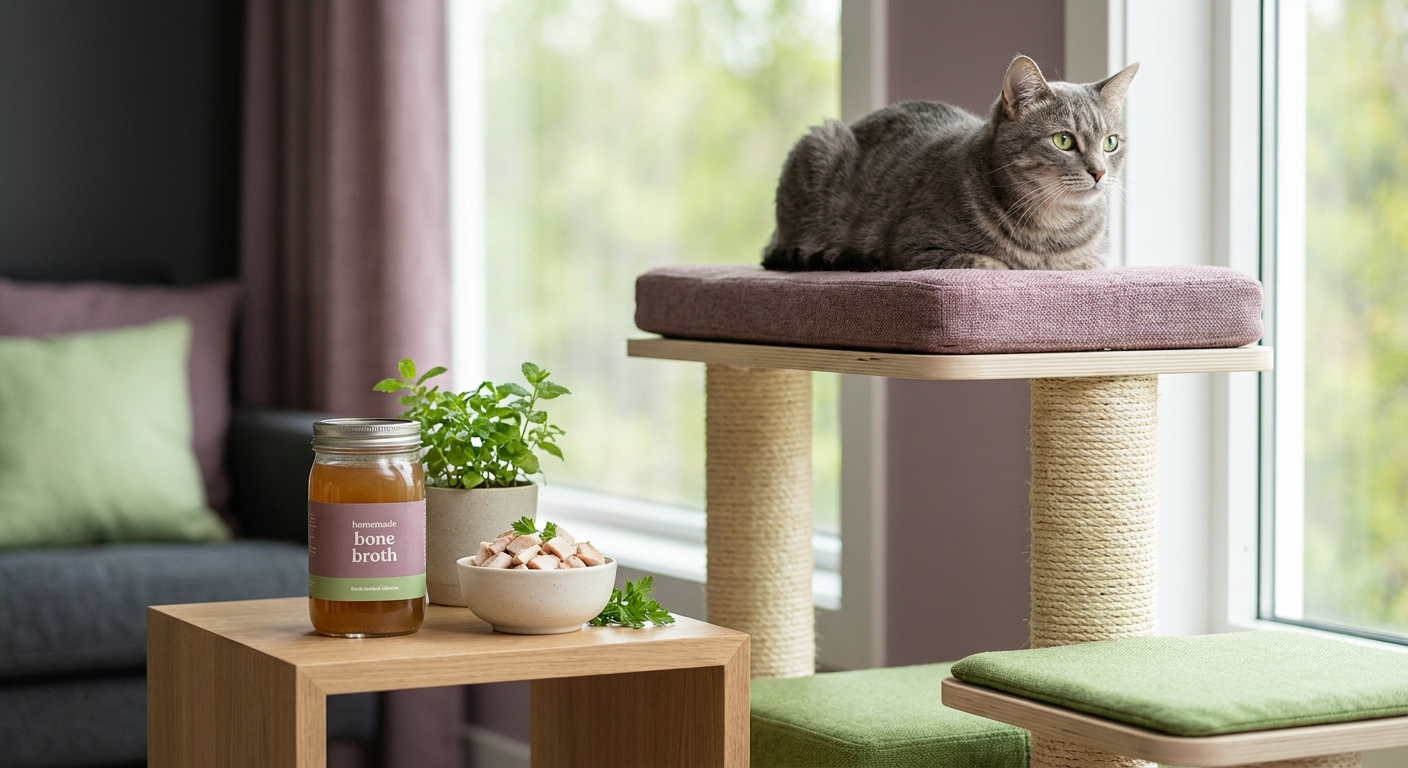
- Bone Broth: Rich in collagen, amino acids, and minerals, bone broth is incredibly soothing for the digestive tract. It’s also an excellent source of hydration. Ensure it’s unsalted and free of onions or garlic.
- Pureed Pumpkin (plain, canned): A fantastic source of fiber, pumpkin can help regulate digestion. It alleviates both constipation and mild diarrhea. Always use plain, unsweetened pumpkin, not pie filling.
- Cooked Lean Meats: Small pieces of plain, cooked chicken, turkey, or fish (steamed or boiled) can add high-quality protein and moisture. Always ensure they are unseasoned and boneless.
- Probiotic Supplements: While some natural foods contain probiotics, a targeted supplement (powder or capsule mixed with food) can ensure your cat receives a potent dose of beneficial bacteria. This is especially true during times of stress or digestive upset. Consult your vet for appropriate strains and dosages.
The Rise of Sustainable and Alternative Proteins
As pet humanization grows, so does our awareness of the environmental footprint of our pets. The demand for sustainability is leading to innovative solutions in feline nutrition. This includes alternative protein sources. Brands that are transparent about their ingredient lists and sourcing practices are gaining trust among discerning cat owners. In fact, these innovative approaches bolster feline gut wellness and sustainability.
Traditional meat production carries a significant environmental cost. Therefore, novel proteins offer a compelling alternative. Insects, for example, require less land, water, and feed than conventional livestock. Lab-grown meat is another emerging option, minimizing resource use and ethical concerns. Plant-based proteins can also contribute to a cat’s diet when carefully formulated with essential nutrients like taurine. These options provide complete nutrition while reducing ecological impact. For more information on pet nutrition, you can visit Pet Food Institute.
Beyond Diet: Environmental Enrichment for Optimal Digestion
A cat’s environment significantly influences its overall health, including digestive function. Stress, lack of exercise, and inadequate stimulation can all manifest as gastrointestinal issues. Consequently, a holistic approach to promoting cat gut health must extend beyond the food bowl. It should include mental and physical well-being. Providing a stimulating and calm environment supports both mental and physical feline gut wellness and sustainability.
Creating a Stress-Free Feeding Environment
Cats are sensitive creatures. Their dining experience can impact digestion. Ensure your cat has a quiet, safe place to eat, away from household commotion. Separate food and water bowls are ideal. Also, consider elevated bowls for older cats or those with neck issues. Furthermore, avoid sudden changes to their feeding schedule. Consistency reduces anxiety. This, in turn, supports healthy digestion.
The Importance of Play and Exercise
Physical activity is crucial for maintaining a healthy weight and promoting regular bowel movements. Sedentary cats are more prone to constipation and other digestive complaints. Engage your cat in daily play sessions with interactive toys. Think feather wands or laser pointers. Provide vertical spaces like cat trees and shelves. These encourage climbing and exploration. Regular exercise aids digestion. It also reduces stress, which indirectly benefits gut health.
Understanding the Feline Microbiome and Its Role
The feline gut microbiome is a complex ecosystem of bacteria, fungi, and other microorganisms. This internal world plays a pivotal role in nutrient absorption, immune system function, and even mood regulation. A balanced microbiome is essential for overall feline gut wellness and sustainability. Disruptions, often caused by diet, antibiotics, or stress, can lead to digestive upset and other health problems.
Probiotics, Prebiotics, and Fiber: The Gut Health Trio
To support a thriving microbiome, consider these key dietary components:
- Probiotics: These are live beneficial bacteria. They can be found in supplements or fermented foods. Probiotics help restore balance to the gut, especially after antibiotic use or during periods of digestive distress. Look for multi-strain formulas specifically designed for felines.
- Prebiotics: These are non-digestible fibers that feed the beneficial bacteria in the gut. Sources include chicory root, psyllium husk, and certain vegetables. Prebiotics create an optimal environment for probiotics to flourish.
- Fiber: Dietary fiber, both soluble and insoluble, is vital for proper gut function. It adds bulk to stool, aids in nutrient absorption, and helps regulate blood sugar. Good sources include pumpkin, sweet potato, and oats (in small, cooked amounts).
Hydration and Water Quality: Unsung Heroes of Gut Health
Water is often overlooked yet is a fundamental aspect of feline gut wellness and sustainability. Cats naturally have a low thirst drive. This is due to their evolutionary history as desert animals deriving most moisture from prey. Therefore, ensuring adequate hydration is critical for kidney health, urinary tract function, and digestive efficiency. Dehydration can lead to constipation and strain on vital organs.
Encouraging Water Intake
Several strategies can encourage your cat to drink more:
- Multiple Water Stations: Place water bowls in various locations around the house.
- Fresh, Filtered Water: Change water daily. Use filtered water if your tap water quality is poor.
- Water Fountains: Many cats prefer moving water. A pet water fountain can be a great investment.
- Wet Food: Incorporating wet food into their diet significantly increases moisture intake.
- Bone Broth: As mentioned earlier, unsalted bone broth is a tasty way to boost hydration.
The Role of Regular Veterinary Care
Regular veterinary check-ups are essential for monitoring your cat’s health. This includes their digestive system. Your vet can identify potential issues early. They can also offer tailored advice on diet and supplements. This professional guidance is crucial for maintaining excellent feline digestive health and environmental impact. Do not hesitate to consult your veterinarian if you notice any persistent changes in appetite, stool consistency, or energy levels. For reliable feline health information, consider visiting Cornell Feline Health Center.
Making Sustainable Choices at Home for Your Feline Friend
Embracing a holistic approach to feline well-being extends to our daily purchasing habits. Every choice impacts feline gut wellness and sustainability. By opting for eco-friendly products, we contribute to a healthier planet. This, in turn, benefits all living beings, including our cherished cats.
Eco-Friendly Product Selection
- Recyclable Packaging: Prioritize cat food brands that use recyclable, compostable, or refillable packaging.
- Sustainably Sourced Ingredients: Look for certifications that indicate responsible sourcing, such as MSC for fish or organic labels.
- Biodegradable Litter: Consider litters made from natural materials like corn, wheat, or wood. These break down more easily than traditional clay litters.
- Durable, Non-Toxic Toys: Invest in toys made from natural or recycled materials. Avoid plastics that can break down into microplastics.
Reducing Waste and Carbon Footprint
Beyond product selection, consider these practices:
- Buy in Bulk: Where possible, buying larger quantities of food can reduce packaging waste.
- Donate Unused Items: Give unopened food or gently used supplies to local shelters.
- Compost Waste: Some natural cat litters can be composted (check local regulations).
- Support Local: Purchase from local businesses that prioritize sustainability. This reduces transportation emissions.
By integrating these practices into daily life, we enhance not only our cat’s immediate health but also their long-term environment. This thoughtful approach truly embodies the spirit of comprehensive cat digestive health and eco-friendly practices. It fosters a future where both our pets and our planet thrive.
Conclusion: A Thriving Future for Felines and the Planet
The journey to optimal feline well-being is multifaceted. It reaches far beyond the contents of a food bowl. By embracing holistic approaches to feline gut wellness and sustainability, we empower our cats to lead healthier, happier lives. We also contribute to a more responsible and eco-conscious future. From mindful dietary choices and environmental enrichment to understanding the intricate microbiome and prioritizing hydration, every aspect plays a vital role. Furthermore, our commitment to sustainable choices at home reinforces this dedication. At Natural Cat Food Guide, we believe that informed decisions lead to thriving cats. Let us continue to nurture our feline companions with wisdom, care, and a deep respect for the world we share.
Frequently Asked Questions About Cat Gut Health and Sustainable Practices
What is the feline microbiome and why is it important?
The feline microbiome refers to the community of microorganisms living in a cat’s digestive tract. It’s crucial for nutrient absorption, immune system function, and overall health. A balanced microbiome supports good digestion and helps prevent illnesses.
How can I improve my cat’s digestive health naturally?
You can improve your cat’s digestive health naturally through a balanced diet of high-quality, minimally processed foods. Consider adding gut-friendly toppers like bone broth or pureed pumpkin. Ensure adequate hydration. Also, reduce stress in their environment. Regular exercise and appropriate probiotic/prebiotic supplementation can further help.
What are some sustainable options for cat food?
Sustainable cat food options include brands using alternative proteins like insects or lab-grown meat. Look for those with responsibly sourced ingredients and transparent supply chains. Also, choose products with recyclable or compostable packaging. Supporting local and ethical brands helps reduce environmental impact.
How does stress affect a cat’s gut?
Stress can significantly impact a cat’s gut health. It can lead to imbalances in the microbiome, inflammation, and symptoms like diarrhea or constipation. Creating a calm, predictable environment and providing enrichment helps mitigate stress, thus supporting better digestion.
What role does hydration play in pet gut health and green choices?
Hydration is vital for a cat’s digestive system. Proper water intake helps prevent constipation, supports kidney function, and aids in nutrient transport. Encouraging water consumption through multiple bowls, fountains, or wet food is key. Making green choices, like using filtered water, also contributes to a healthier overall environment for your pet.