As our feline companions gracefully age, their nutritional needs evolve. What worked perfectly for a playful kitten or an active adult cat might not be ideal for a senior cat. Adjusting their diet to support their changing bodies is crucial for maintaining their quality of life and longevity. A senior cat natural food approach focuses on providing easily digestible nutrients, supporting vital organ function, and addressing common age-related concerns. Understanding these shifts allows you to provide the best possible care during their golden years.
Addressing Digestive and Kidney Health in Senior Felines
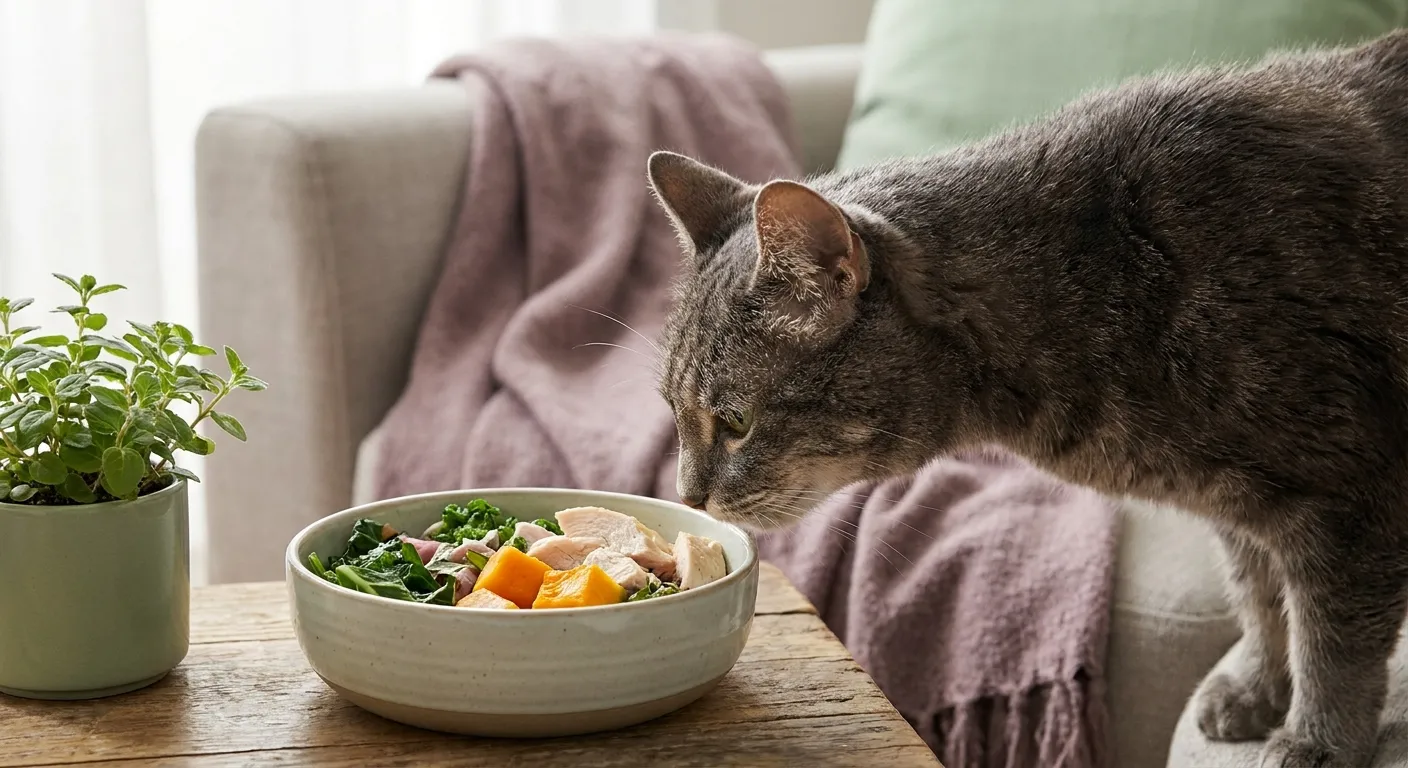
One of the primary considerations for a senior cat natural food diet is digestibility. As cats age, their digestive systems can become less efficient, making it harder to extract nutrients from their food. Therefore, opt for highly digestible, high-quality animal proteins that are less taxing on the kidneys. While protein remains essential, the type and amount might need adjustment. A natural diet rich in moisture, such as wet or raw food, can also be incredibly beneficial for senior cats, as it supports kidney function and helps prevent dehydration – a common issue in older felines. Furthermore, reducing carbohydrate content and avoiding fillers can ease the digestive burden and improve nutrient absorption. For more insights, consider Addressing Common Digestive Issues with a Natural Cat Diet.
Supporting Mobility and Cognitive Function with Natural Ingredients
Joint health and cognitive decline are common concerns in aging cats. A natural diet can play a significant role in mitigating these issues. Specifically, incorporating supplements naturally found in foods, such as Omega-3 fatty acids (from fish oil) and glucosamine/chondroitin (from bone broth or cartilage), can help reduce inflammation and support joint lubrication, improving mobility. Additionally, antioxidants found in certain natural ingredients combat oxidative stress, which contributes to cognitive decline. Ensuring adequate intake of B vitamins and other brain-supportive nutrients found in whole, unprocessed foods can help maintain mental sharpness and overall vitality. Always consult your veterinarian to discuss specific supplements or dietary changes for your senior cat, especially if they have pre-existing health conditions. The American Animal Hospital Association (AAHA) offers valuable resources on pet nutrition.
Understanding Protein Needs for an Aging Feline Diet
Protein is a cornerstone of any feline diet, and this holds true for senior cats. However, the quality and digestibility become even more critical. Older cats can experience muscle wasting, known as sarcopenia. Therefore, providing high-quality, easily digestible animal protein helps maintain muscle mass. Sources like chicken, turkey, and fish are excellent choices. It is important to note that while some older advice suggested reducing protein for kidney health, current veterinary understanding often emphasizes high-quality protein unless a specific kidney condition requires restriction. Always prioritize lean protein sources in a senior cat natural food plan. Furthermore, understanding Obligate Carnivore Cat Diet: Why It’s Essential for Feline Health can provide further context.
The Importance of Moisture and Hydration
Hydration is paramount for senior cats. Many older felines do not drink enough water, which can exacerbate kidney issues and lead to urinary tract problems. A natural diet rich in moisture, such as high-quality wet food or a balanced raw diet, significantly contributes to their daily water intake. This emphasis on moisture is a key component of a successful senior cat natural food regimen. Dry kibble, while convenient, often contains very little moisture and can be problematic for aging kidneys. Consider incorporating bone broth or adding water to their wet food to further boost hydration. For more detailed information, explore The Role of Hydration in Feline Natural Diets.
Navigating Essential Nutrients and Supplements
Beyond protein and moisture, senior cats benefit from a balanced intake of other vital nutrients. Omega-3 fatty acids, particularly EPA and DHA, are crucial for reducing inflammation, supporting joint health, and promoting cognitive function. These can be found in fish oil or certain types of fatty fish. Additionally, antioxidants like Vitamin E and C help protect cells from damage, which is vital for an aging system. Glucosamine and chondroitin, often derived from natural sources, support cartilage health. Probiotics can also be beneficial for maintaining a healthy gut microbiome, which, in turn, aids digestion and nutrient absorption. When considering a senior cat natural food approach, these nutritional elements are indispensable. Always discuss any new supplements with your veterinarian to ensure they are appropriate for your cat’s specific health needs.
Addressing Weight Management and Appetite Changes
Senior cats can experience weight fluctuations, either gaining or losing weight. A natural diet allows for better control over calorie intake and nutrient density. If your senior cat is losing weight, highly palatable and nutrient-dense foods are essential. Conversely, if they are gaining weight, a natural diet can be adjusted to provide fewer calories while still offering complete nutrition. Appetite can also decrease with age. Offering smaller, more frequent meals, warming food slightly to enhance aroma, and experimenting with different textures can encourage eating. Sometimes, dental issues contribute to a reduced appetite; therefore, regular veterinary dental check-ups are important. Ensuring consistent, high-quality nutrition is vital for a healthy aging feline.
Transitioning to a Senior Cat Natural Food Diet
Changing any cat’s diet requires patience, especially for senior felines who can be resistant to new foods. A slow transition over 7-10 days, gradually mixing the new natural food with their old food, is recommended. Monitor your cat for any digestive upset or refusal to eat. The goal is to make the transition as stress-free as possible while introducing them to the benefits of a senior cat natural food plan. If you are considering a raw diet, ensure it is nutritionally complete and balanced, as homemade raw diets can sometimes lack essential nutrients. Consulting with a veterinary nutritionist can provide invaluable guidance during this process. For general guidance, see Transitioning Your Cat to Natural Food: A Step-by-Step Guide.
Common Health Concerns and Dietary Interventions
Aging brings a higher risk of various health conditions, including kidney disease, diabetes, hyperthyroidism, and dental problems. While a senior cat natural food diet cannot cure these conditions, it can often play a supportive role in managing symptoms and improving quality of life. For instance, a diet lower in carbohydrates can be beneficial for diabetic cats, while a moisture-rich diet supports kidney function. Regular veterinary check-ups are essential to diagnose and manage any underlying health issues. Your vet can provide specific dietary recommendations tailored to your cat’s medical needs, ensuring that their natural diet complements their overall treatment plan. Organizations like the CatInfo.org website also offer extensive research on feline nutrition and health.
Conclusion: Empowering Your Senior Cat’s Golden Years
Tailoring a natural diet for your senior cat is one of the most impactful ways you can support their health and well-being as they age. By focusing on highly digestible proteins, ample moisture, essential fatty acids, and specific nutrients for joint and cognitive health, you provide the building blocks for a comfortable and vibrant senior life. This proactive approach with a senior cat natural food strategy helps address common age-related challenges and fosters longevity. Always work closely with your veterinarian to create a personalized nutrition plan that meets your senior cat’s unique needs, ensuring they thrive in their golden years with optimal health and happiness.
FAQ: What are the key benefits of a natural diet for older cats?
A natural diet for older cats offers several benefits, including improved digestibility, better hydration from moisture-rich foods, support for joint health with natural anti-inflammatories, and enhanced cognitive function through antioxidants and essential fatty acids. It also helps in maintaining lean muscle mass and managing weight more effectively.
FAQ: How do protein needs change for senior felines?
While protein remains crucial, the emphasis shifts to high-quality, easily digestible animal proteins to prevent muscle wasting (sarcopenia) and support overall vitality. The type of protein is often more important than a drastic reduction in quantity, unless specifically advised by a veterinarian for certain kidney conditions.
FAQ: Can a natural diet help with my senior cat’s kidney issues?
A natural diet, especially one rich in moisture (like wet or raw food), can significantly support kidney function and help prevent dehydration, which is common in older cats. Reducing fillers and opting for high-quality, digestible proteins can also ease the burden on the kidneys. Always consult your vet for specific kidney-related dietary advice.
FAQ: What natural supplements are good for an aging cat’s joints?
Natural supplements beneficial for joint health in aging cats include Omega-3 fatty acids (from fish oil), glucosamine, and chondroitin. These can help reduce inflammation and support joint lubrication. Always discuss supplement dosages and suitability with your veterinarian.
FAQ: Is it difficult to transition an older cat to new food?
Transitioning an older cat to a new diet can sometimes be challenging as they may be set in their ways. A slow, gradual transition over 7-10 days, mixing increasing amounts of the new natural food with the old, is recommended. Patience and careful monitoring for digestive upset are key to a successful switch.