
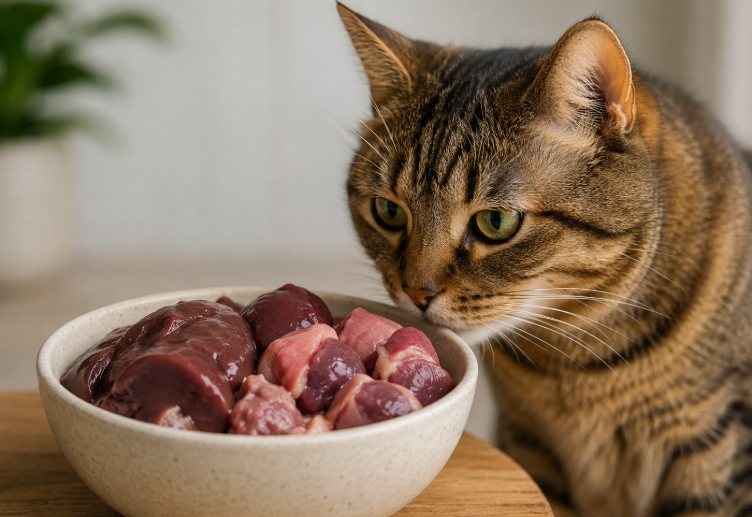
Many cat owners carefully examine ingredient labels before choosing food for their pets. Among the most debated ingredients are meat by-products. Some pet owners avoid them entirely, while others believe they can be a valuable source of nutrition. As a result, questions about meat by products safety continue to appear in discussions about feline health and nutrition.
The confusion often comes from misunderstandings about what meat by-products actually are. Marketing messages and online opinions sometimes paint them in a negative light. However, the reality is often more complex. Understanding how these ingredients are sourced, processed, and used can help cat owners make informed decisions rather than relying on assumptions.
Cats have unique nutritional requirements. Because they are obligate carnivores, they depend heavily on nutrients found in animal tissues. Therefore, evaluating pet food ingredients requires looking beyond simple ingredient names and considering the nutritional value they provide.
## Understanding Meat By-Products
To understand meat by products safety, it helps to start with a clear definition. Meat by-products are parts of an animal that remain after the primary cuts intended for human consumption are removed. These ingredients may include organs such as the liver, kidneys, lungs, spleen, and heart.
Many people mistakenly assume that by-products are low-quality waste materials. In reality, some of these animal parts contain nutrients that are extremely beneficial for cats. For example, organs often provide vitamins, minerals, fatty acids, and amino acids that support overall health.
In nature, wild cats consume much more than muscle meat. They eat various parts of their prey, including organs and connective tissues. Consequently, some nutrition experts argue that properly sourced by-products can mimic aspects of a natural feline diet.
However, ingredient quality varies significantly among manufacturers. Therefore, consumers should focus on the quality standards of the pet food company rather than judging an ingredient solely by its name.
## Why Meat By-Products Are Used in Cat Food
Manufacturers include by-products for several reasons. First, they provide valuable nutrients that support feline health. Second, they help create balanced formulas without relying entirely on muscle meat. Finally, they contribute to sustainability by utilizing more parts of food animals rather than discarding them.
When discussing meat by products safety, it is important to recognize that nutrient density often matters more than consumer perception. Organ meats frequently contain higher concentrations of certain nutrients than muscle meat alone.
For example, liver provides vitamin A and several B vitamins. Heart tissue contains taurine, which is essential for vision and cardiovascular function. Kidney tissues contribute additional nutrients that support a balanced diet.
As a result, high-quality by-products can play a useful role in meeting a cat’s dietary requirements.
## Common Concerns About Ingredient Quality
Despite their nutritional value, concerns about meat by products safety remain widespread. One reason is the lack of transparency in some pet food labels. Consumers may not know exactly which tissues are included in a product.
Another concern involves ingredient sourcing. Lower-quality manufacturers may use less consistent raw materials than premium brands. Consequently, the nutritional profile of the final product can vary.
In addition, some pet owners worry about contaminants or poor processing practices. While these concerns are understandable, reputable manufacturers follow strict regulations and quality-control procedures designed to ensure safety.
Choosing brands that perform regular testing and maintain high production standards can significantly reduce these risks. Therefore, researching a company’s reputation often provides more useful information than focusing on a single ingredient category.
Nutritional Benefits for Cats
A closer look at feline nutrition reveals why by-products remain common in many formulations. Cats require protein-rich diets that provide essential amino acids, vitamins, and minerals. Fortunately, many by-products naturally contain these nutrients.
The discussion surrounding meat by products safety often overlooks the fact that organ meats are among the most nutrient-dense foods available. Liver, for instance, contains substantial amounts of vitamin A and iron. Heart tissue supplies taurine and coenzyme Q10. Meanwhile, kidneys offer several important micronutrients.
These nutrients support healthy vision, immune function, energy production, and organ health. Consequently, excluding all by-products does not automatically result in a superior diet.
Instead, nutritional balance should remain the primary goal when evaluating pet food choices.
The Difference Between Quality and Poor-Quality Products
Not all cat foods are created equally. Some formulas contain carefully selected animal ingredients, while others rely on lower-quality materials and excessive fillers.
When assessing meat by products safety, the overall formula matters greatly. A premium food containing properly sourced by-products may provide better nutrition than a product made primarily from low-quality plant ingredients.
Ingredient sourcing, manufacturing standards, and nutritional adequacy should all influence purchasing decisions. Furthermore, companies that provide detailed information about their ingredients often inspire greater consumer confidence.
Reading labels carefully can also help. Foods that identify specific animal sources generally offer more transparency than vague ingredient descriptions. Therefore, consumers should evaluate the complete ingredient list rather than focusing on one component.
## Regulatory Oversight and Safety Standards
Pet food manufacturers operate under regulations designed to protect animal health. In many countries, regulatory agencies establish standards for ingredient quality, labeling, and manufacturing practices.
These standards play an important role in maintaining meat by products safety throughout the production process. Reputable manufacturers must follow guidelines related to ingredient sourcing, sanitation, storage, and processing.
Regular inspections and quality-control measures further support product safety. Although no manufacturing system is completely risk-free, regulatory oversight helps reduce potential problems.
As a result, cat owners can feel more confident when selecting foods from established brands with strong safety records.
## How To Choose the Best Food for Your Cat
Rather than avoiding products solely because they contain by-products, owners should evaluate foods based on overall nutritional quality. This approach leads to better long-term decisions.
When considering meat by products safety, look for products that meet recognized nutritional standards and contain adequate animal protein. In addition, review the manufacturer’s quality-control practices and ingredient sourcing policies whenever possible.
Veterinary recommendations can also provide valuable guidance. Because every cat has unique needs, factors such as age, activity level, health status, and dietary sensitivities should influence food choices.
Furthermore, observing your cat’s condition can offer useful insights. Healthy skin, a shiny coat, consistent energy, and proper digestion often indicate that a diet is meeting nutritional needs.
## Understanding Marketing Claims
Pet food marketing frequently influences consumer perceptions. Terms such as “premium,” “natural,” and “human-grade” may sound impressive, but they do not always guarantee superior nutrition.
The conversation around meat by products safety is often shaped by advertising campaigns that promote certain ingredients while criticizing others. Although marketing can be informative, it should never replace evidence-based evaluation.
Instead, owners should focus on nutrient content, ingredient quality, manufacturing standards, and veterinary guidance. These factors provide a more reliable foundation for decision-making.
By looking beyond promotional language, consumers can better understand what truly contributes to feline health.
## Conclusion
The debate surrounding meat by-products is unlikely to disappear anytime soon. However, a closer examination reveals that these ingredients are not automatically harmful or inferior. In many cases, they provide valuable nutrients that support a cat’s biological needs.
Understanding meat by products safety requires looking beyond common misconceptions. Quality sourcing, responsible manufacturing, regulatory oversight, and nutritional balance all play critical roles in determining whether a product is appropriate for your pet.
Rather than judging cat food based on a single ingredient category, focus on the complete nutritional profile and the reputation of the manufacturer. When selected carefully, foods containing well-sourced by-products can contribute to a healthy, balanced diet that supports your cat throughout every stage of life.
FAQ
1. What exactly are animal by-products in pet food?
Animal by-products typically include nutrient-rich organs and tissues that remain after primary meat cuts are removed for human consumption.
2. Are organ meats healthy for cats?
Yes. Many organ meats provide essential vitamins, minerals, and amino acids that support overall feline health.
3. Should I avoid foods that contain these ingredients?
Not necessarily. The overall nutritional quality and manufacturing standards are usually more important than the presence of by-products alone.
4. How can I identify a high-quality cat food brand?
Look for transparent ingredient sourcing, nutritional adequacy statements, strong quality-control practices, and positive veterinary recommendations.
5. Do premium cat foods always exclude by-products?
No. Many premium brands include carefully sourced organ meats because they offer valuable nutrients that benefit cats.