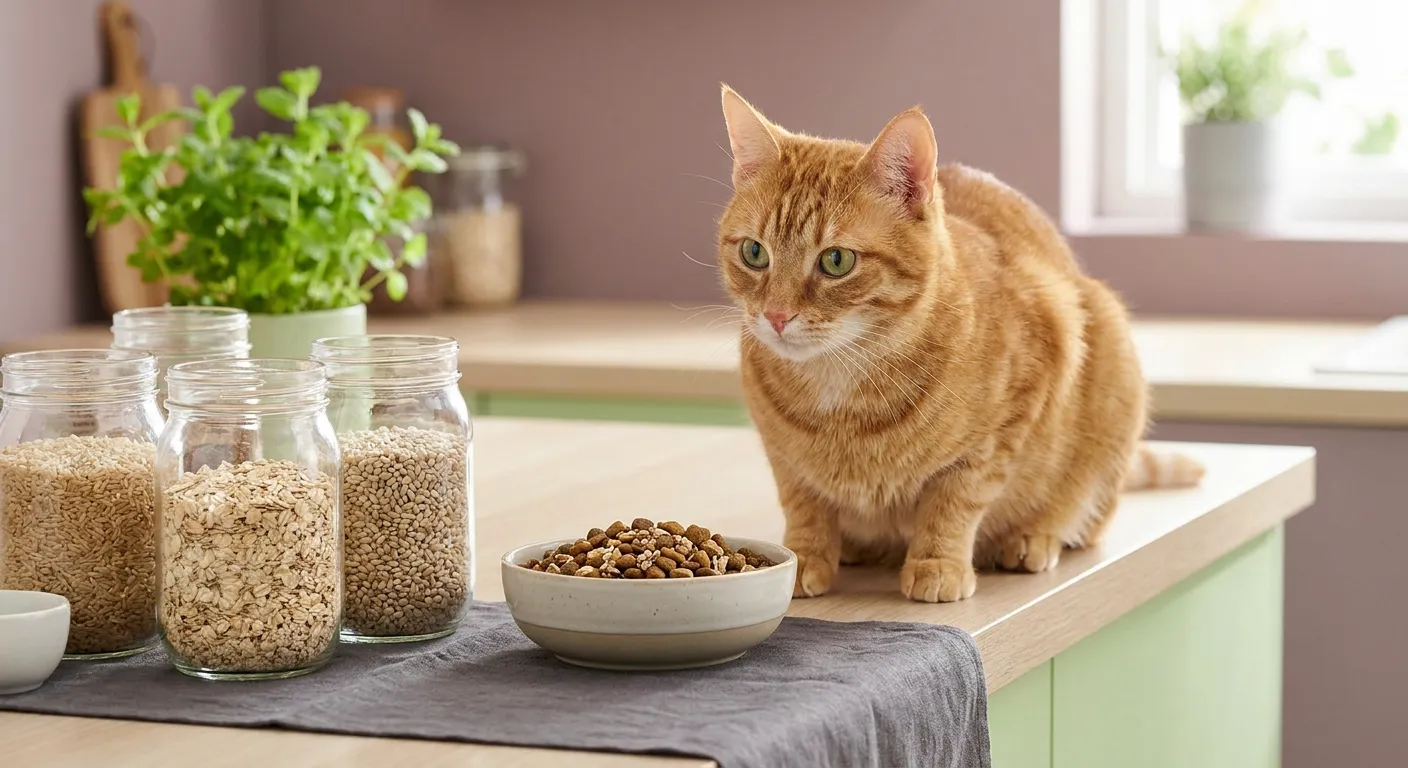
The debate around grains in cat food has been ongoing, with many natural pet food advocates emphasizing grain-free options. While some commercial cat foods heavily feature grains like corn, wheat, and soy, understanding a cat’s unique physiology as an obligate carnivore reveals why these ingredients might not be ideal for their long-term health and digestion. Their digestive systems are simply not designed to process large quantities of plant matter. Consequently, this article will explore the challenges grains pose for feline well-being.
Why Grains Pose Challenges for Cats’ Digestive Systems
Cats lack the specific enzymes required to efficiently break down complex carbohydrates found in grains. Their digestive tracts are short and designed for rapid digestion of animal protein and fat. Furthermore, their bodies are not adapted for a plant-heavy diet. When a cat consumes a diet high in grains, it can lead to several digestive issues. Common symptoms include chronic diarrhea, vomiting, excessive gas, and constipation. In fact, these issues often signal that a cat’s diet is not biologically appropriate. Over time, this constant digestive strain can contribute to inflammation in the gastrointestinal tract, potentially leading to conditions like Inflammatory Bowel Disease (IBD).
Beyond Digestion: Other Health Concerns Related to Grains
Beyond immediate digestive discomfort, the presence of excessive grains in cat food can also contribute to other health problems. Grains are often used as cheap fillers, thereby diluting the nutritional value of animal-based ingredients. High carbohydrate content can contribute to obesity, especially in indoor, less active cats, as excess carbohydrates are stored as fat. Moreover, some cats may develop sensitivities or allergies to specific grains, manifesting as skin irritations, ear infections, or chronic itching. While not all cats immediately show adverse reactions, a diet heavily reliant on grains is generally not biologically appropriate for felines. Opting for grain-free, meat-rich natural foods aligns more closely with their evolutionary diet and supports overall well-being, promoting better digestion and reduced risk of diet-related health issues.
Understanding Your Cat as an Obligate Carnivore
Cats are obligate carnivores, which means their nutritional needs are primarily met through animal-based proteins and fats. This biological classification is crucial when evaluating their diet. Unlike omnivores or herbivores, cats have evolved to thrive on a diet consisting almost exclusively of animal tissue. Their metabolism is uniquely adapted to process high levels of protein and fat from meat. Therefore, their bodies are not equipped to efficiently utilize carbohydrates from sources like corn, wheat, or rice. In essence, their dietary requirements are fundamentally different from humans or even dogs.
The Role of Carbohydrates in Feline Nutrition
While carbohydrates are a primary energy source for many species, their role in feline nutrition is minimal. Cats have a limited ability to digest and metabolize complex carbohydrates. Their livers are not efficient at converting carbohydrates into usable energy, a process that is highly developed in herbivores and omnivores. Instead, a cat’s body primarily uses protein and fat for energy. Consequently, a diet high in carbohydrates, often found in formulations with significant amounts of grains in cat food, can lead to metabolic stress and fat storage rather than efficient energy production. This metabolic difference highlights why grain-heavy diets are often problematic.
Potential Allergic Reactions and Sensitivities to Grains
Just like humans, cats can develop allergies or sensitivities to certain food ingredients, including grains. Common grain allergens in cat food include corn, wheat, and soy. These sensitivities can manifest in various ways, often affecting the skin and digestive system. Symptoms may include chronic itching, excessive scratching, hair loss, recurrent ear infections, vomiting, and diarrhea. Identifying and eliminating the offending grain from a cat’s diet can significantly improve their quality of life. A veterinarian can help diagnose food allergies through elimination diets or specific testing. Switching to a limited ingredient, grain-free diet is often recommended for cats with suspected grain sensitivities.
Nutritional Dilution: When Grains Replace Essential Nutrients
One of the most significant concerns with a high proportion of grains in cat food is nutritional dilution. Grains are often used as inexpensive fillers to bulk up pet food, reducing the overall cost of production. However, these fillers displace more nutritionally valuable ingredients, particularly animal proteins and fats that are essential for a cat’s health. Cats require a diet rich in specific amino acids (like taurine, found only in animal tissue) and fatty acids that grains simply cannot provide adequately. When a cat’s diet is diluted with grains, they may not receive enough of these critical nutrients, potentially leading to deficiencies over time. This can impact everything from their immune system to their vision and heart health.
Obesity and Diabetes: The Link to High-Carbohydrate Diets
The high carbohydrate content often associated with diets containing significant amounts of grains in cat food is a recognized contributor to feline obesity and diabetes. Cats are not designed to process large carbohydrate loads. When they consume more carbohydrates than their bodies can utilize for immediate energy, the excess is stored as fat. This is particularly true for indoor cats who have lower activity levels. Over time, chronic obesity can lead to insulin resistance and eventually Type 2 diabetes, a growing health concern in the feline population. Maintaining a healthy weight is vital for a cat’s longevity and quality of life, and diet plays a central role. For more insights on promoting feline activity and well-being, consider exploring resources on interactive toys.
The Impact on Urinary Tract Health
While less commonly discussed than digestive issues, diet can also influence a cat’s urinary tract health. Some theories suggest that diets high in plant-based ingredients, including grains, can alter the pH balance of a cat’s urine, potentially increasing the risk of urinary crystals and stones. Cats naturally produce acidic urine when consuming a meat-rich diet, which helps prevent the formation of certain types of crystals. A diet with a higher proportion of plant matter can lead to more alkaline urine, creating a less favorable environment for urinary tract health. Therefore, choosing a diet that supports natural urinary pH is another consideration when evaluating the role of grains in feline nutrition.
Making Informed Choices for Your Cat’s Diet
Given the potential drawbacks of high concentrations of grains in cat food, making informed dietary choices is paramount for any cat owner. Reading ingredient labels carefully is the first step. Look for foods where animal protein sources (like chicken, turkey, fish, or beef) are listed as the first few ingredients. Avoid foods that list corn, wheat, soy, or rice as primary ingredients or in multiple forms throughout the list. Consider consulting with a holistic veterinarian or a feline nutritionist who can provide personalized advice based on your cat’s specific health needs and lifestyle. Furthermore, remember that not all grain-free foods are created equal; some may replace grains with other high-carbohydrate plant starches like potatoes or peas, which can still be problematic in large quantities. The focus should always be on a meat-rich, biologically appropriate diet. For additional resources on feline care, visit our Blog.
Transitioning to a Grain-Free Diet
If you decide to transition your cat to a grain-free diet, it’s important to do so gradually. A sudden change in diet can upset a cat’s sensitive digestive system. Start by mixing a small amount of the new food with their old food, gradually increasing the proportion of the new food over a period of 7-10 days. Observe your cat closely for any signs of digestive upset during this transition. If they experience vomiting or diarrhea, slow down the transition process. It’s also a good idea to introduce new foods one at a time to easily identify any ingredients that might cause an adverse reaction. A smooth transition ensures your cat adapts well to their new, healthier eating regimen.
The Verdict on Grains in Cat Food
Ultimately, while some cats may tolerate small amounts of grains without immediate adverse reactions, a diet rich in grains in cat food is generally not optimal for their long-term health. Cats are obligate carnivores, and their digestive systems are best suited for processing animal proteins and fats. Excessive grains can lead to digestive upset, allergies, obesity, and even conditions like diabetes. By choosing a high-quality, meat-rich, and biologically appropriate diet, you can significantly contribute to your cat’s overall well-being, vitality, and longevity. Prioritizing their natural dietary needs is a fundamental aspect of responsible pet ownership. For more information on pet product choices and safety, you might find our Affiliate Disclaimer page helpful.
The Importance of Ingredient Quality
Beyond simply avoiding grains, the overall quality of ingredients in your cat’s food is crucial. Look for named meat sources (e.g., “chicken meal” instead of “meat meal”), and ensure the food contains essential vitamins, minerals, and amino acids. Reputable brands often provide detailed nutritional information. Always prioritize transparency in ingredient sourcing and manufacturing processes. High-quality ingredients lead to better nutrient absorption and overall health.
Consulting Your Veterinarian
Before making significant dietary changes, especially if your cat has existing health conditions, always consult with your veterinarian. They can provide personalized recommendations based on your cat’s age, activity level, and medical history. A vet can also help rule out other causes for digestive issues or allergies, ensuring that diet changes are truly beneficial. Their professional guidance is invaluable in navigating the complexities of feline nutrition.
Conclusion
In conclusion, the presence of significant grains in cat food warrants careful consideration for any cat owner committed to their feline’s health. Cats, as obligate carnivores, thrive on diets predominantly composed of animal proteins and fats. While grains might serve as inexpensive fillers in commercial pet foods, their inclusion can lead to a range of issues, from digestive upset and allergies to obesity and metabolic disorders. Making informed choices, reading labels diligently, and prioritizing meat-rich, biologically appropriate foods will empower you to provide the best possible nutrition for your cherished companion. Consequently, by understanding their unique physiology, you can support a life of vitality and well-being for your cat.
FAQ
Are all grain-free cat foods healthy?
Not necessarily. While grain-free options eliminate corn, wheat, and soy, some may substitute these with other high-carbohydrate starches like potatoes or peas. It’s crucial to look for grain-free foods that are still rich in animal protein and fat, reflecting a cat’s natural dietary needs. Always check the ingredient list carefully.
What are common signs of a feline sensitivity to cereal products?
Signs of sensitivity to cereal products can include chronic vomiting, diarrhea, excessive gas, constipation, skin irritations, chronic itching, and recurrent ear infections. These symptoms often indicate that a cat’s digestive system is struggling to process certain ingredients in their diet.
Can a cat survive on a diet with plant-based ingredients?
While a cat might survive on a diet containing some plant-based ingredients, their bodies are not optimally designed for it. Cats are obligate carnivores and require specific nutrients found almost exclusively in animal tissue, such as taurine. A diet too high in plant matter can lead to nutritional deficiencies over time.
How do I choose the best diet for my cat?
To choose the best diet, focus on foods with high-quality animal protein as the primary ingredient. Look for named meat sources and avoid excessive fillers or artificial additives. Consider your cat’s age, activity level, and any specific health conditions. Consulting with your veterinarian or a feline nutritionist is highly recommended for personalized advice.
Is it safe to switch my cat’s food suddenly?
No, it is generally not safe to switch your cat’s food suddenly. A rapid change can cause digestive upset like vomiting or diarrhea. It’s best to transition gradually over 7-10 days, mixing increasing amounts of the new food with decreasing amounts of the old food. This allows your cat’s digestive system to adapt smoothly.