Optimal cat hydration natural diet is a cornerstone of feline health, often overlooked in discussions about nutrition. Unlike humans, cats have a low thirst drive, a trait inherited from their desert-dwelling ancestors who obtained most of their moisture from prey. This evolutionary adaptation means domestic cats on dry kibble diets are often chronically dehydrated, leading to various health issues, particularly urinary tract problems. Therefore, understanding and addressing feline hydration needs is paramount for their long-term well-being. Ensuring adequate moisture intake can significantly impact their quality of life.
Why Hydration is Crucial for Cats
Proper hydration supports every bodily function, from organ function to nutrient absorption and waste elimination. For cats, maintaining adequate water intake is especially critical for kidney health and preventing urinary crystal formation and bladder stones. A lack of sufficient moisture puts a strain on the kidneys, which are constantly filtering toxins, and can exacerbate conditions like Feline Lower Urinary Tract Disease (FLUTD). Natural diets, particularly those rich in moisture like raw or wet food, inherently provide a significant portion of a cat’s daily water needs, mimicking what they would get in the wild. Consequently, promoting sufficient water consumption is a key preventive measure against many common feline ailments.
Understanding Feline Thirst Drive
Cats evolved to get most of their water from their food. Their wild ancestors consumed prey that was approximately 70-80% water. This high moisture content in their natural diet meant they rarely needed to drink large amounts of standing water. Domesticated cats retain this low thirst drive. This inherent characteristic makes them particularly vulnerable to dehydration when fed diets primarily consisting of dry kibble, which typically contains only 5-10% moisture. Thus, recognizing this evolutionary trait helps cat owners make informed dietary choices.
The Dangers of Chronic Dehydration
Chronic dehydration in cats can lead to a cascade of health problems. Most notably, it stresses the kidneys, potentially contributing to chronic kidney disease (CKD), a common ailment in older felines. Furthermore, insufficient fluid intake concentrates urine, increasing the risk of urinary tract infections (UTIs), bladder stones, and idiopathic cystitis. These conditions are painful and can be recurrent. Proper hydration, on the other hand, helps flush the urinary system, making it less hospitable for bacterial growth and crystal formation. Therefore, prioritizing moisture is a proactive step in preventing these serious health concerns. Many veterinarians emphasize the importance of hydration for overall feline health.
Benefits of a Moisture-Rich Feline Diet
Transitioning to a moisture-rich diet is one of the most effective ways to ensure optimal cat hydration natural diet. Wet canned food, rehydrated freeze-dried raw food, and homemade raw diets closely mimic the water content found in a cat’s natural prey. This approach not only provides essential nutrients but also delivers a significant amount of daily water intake without relying solely on the cat’s often-insufficient thirst drive. Moreover, a diet high in moisture can support healthy digestion and nutrient absorption. It helps move food through the digestive tract more efficiently, preventing constipation. Ultimately, a moisture-rich diet is a cornerstone of a truly natural approach to feline nutrition. It offers a holistic benefit for your cat’s well-being.
Strategies to Improve Cat Hydration in a Natural Diet
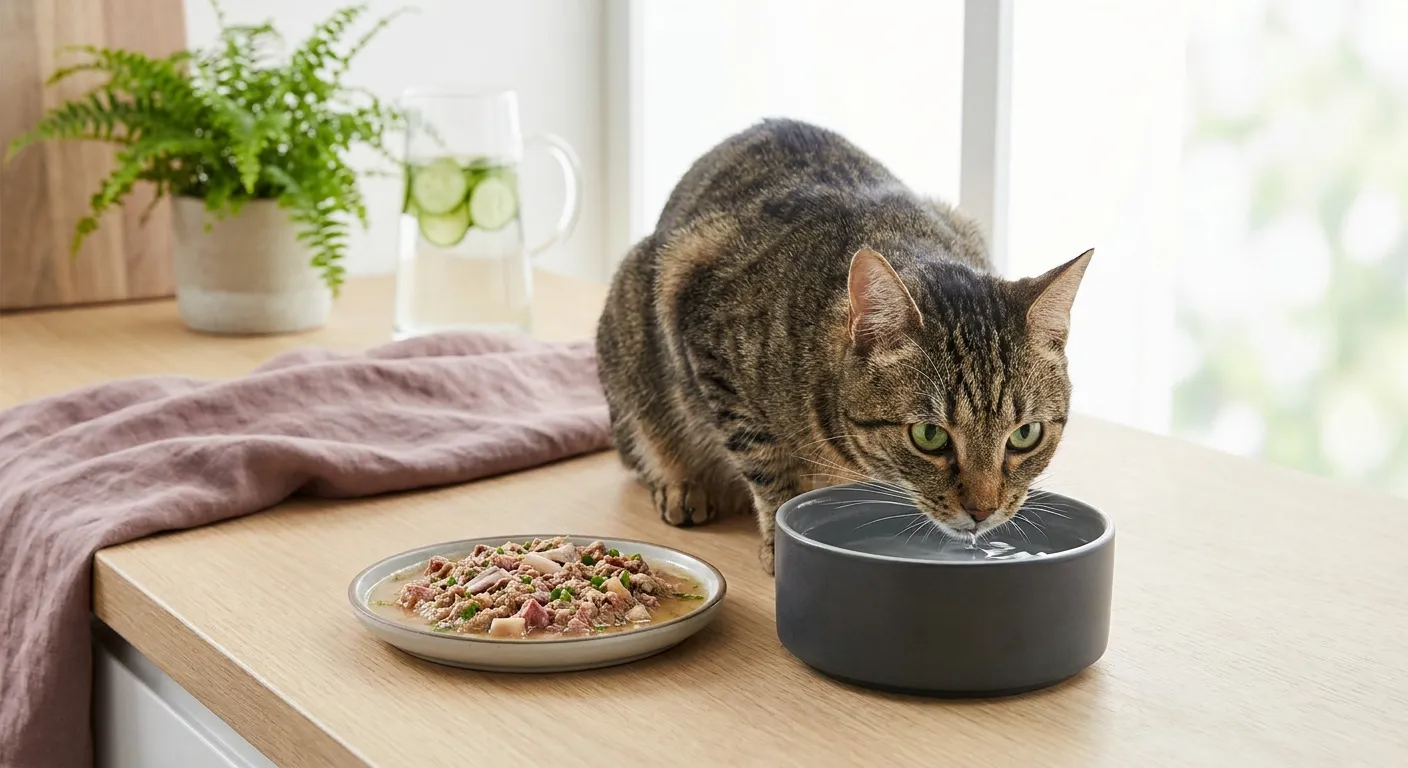
To ensure optimal cat hydration natural diet, incorporating high-moisture foods is paramount. Switching from an exclusive dry kibble diet to wet canned food, rehydrated freeze-dried raw food, or even a homemade raw diet can dramatically increase a cat’s daily water intake. Beyond food, encouraging drinking can be beneficial. Provide multiple water bowls in different locations, use ceramic or stainless steel bowls, and consider a feline-specific water fountain, as many cats prefer running water. Adding a small amount of low-sodium chicken or bone broth (plain, no onions/garlic) to water can also entice picky drinkers. By prioritizing moisture-rich foods and accessible water sources, cat owners can significantly support their cat’s long-term health and well-being. For more general feline care advice, explore our Blog.
Choosing the Right Water Sources
The type of water and how it’s presented can greatly influence a cat’s willingness to drink. Tap water is generally acceptable, but some owners prefer filtered water to remove chlorine and other impurities. As mentioned, water fountains are often highly effective because cats are instinctively drawn to moving water, which they perceive as fresher and safer. Multiple water stations throughout the home also increase opportunities for drinking. Consider placing bowls in quiet, low-traffic areas where your cat feels secure. Interestingly, some cats prefer water bowls away from their food dishes. Experiment with different bowl materials, such as ceramic, stainless steel, or glass, as plastic can sometimes impart an undesirable taste. Regularly cleaning water bowls is crucial to prevent bacterial buildup. Fresh, clean water encourages more frequent drinking. This attention to detail can make a big difference in a cat’s daily fluid intake.
Incorporating Broths and Hydrating Treats
Beyond primary food sources, various supplements can boost a cat’s fluid intake. Plain, unsalted meat broths, such as chicken or beef, can be highly appealing. Ensure these broths are free of onions, garlic, and other seasonings toxic to cats. A small amount can be added to their regular food or offered as a standalone drink. Furthermore, certain cat-specific hydrating treats, often in liquid or gel form, are available. These can be a useful addition, especially for cats reluctant to drink from bowls. Even a few drops of tuna water (from canned tuna in spring water, not oil) can sometimes pique a cat’s interest in drinking more. However, these should be offered in moderation to avoid over-reliance or nutritional imbalances. Always consult your vet if you have concerns about your cat’s hydration levels. Prioritizing a comprehensive approach to cat hydration natural diet is key.
Monitoring Your Cat’s Hydration Levels
It’s important for cat owners to know how to assess their cat’s hydration. A simple skin turgor test can provide a quick indication: gently lift the skin between your cat’s shoulder blades. If it snaps back quickly, your cat is likely well-hydrated. If it returns slowly, or