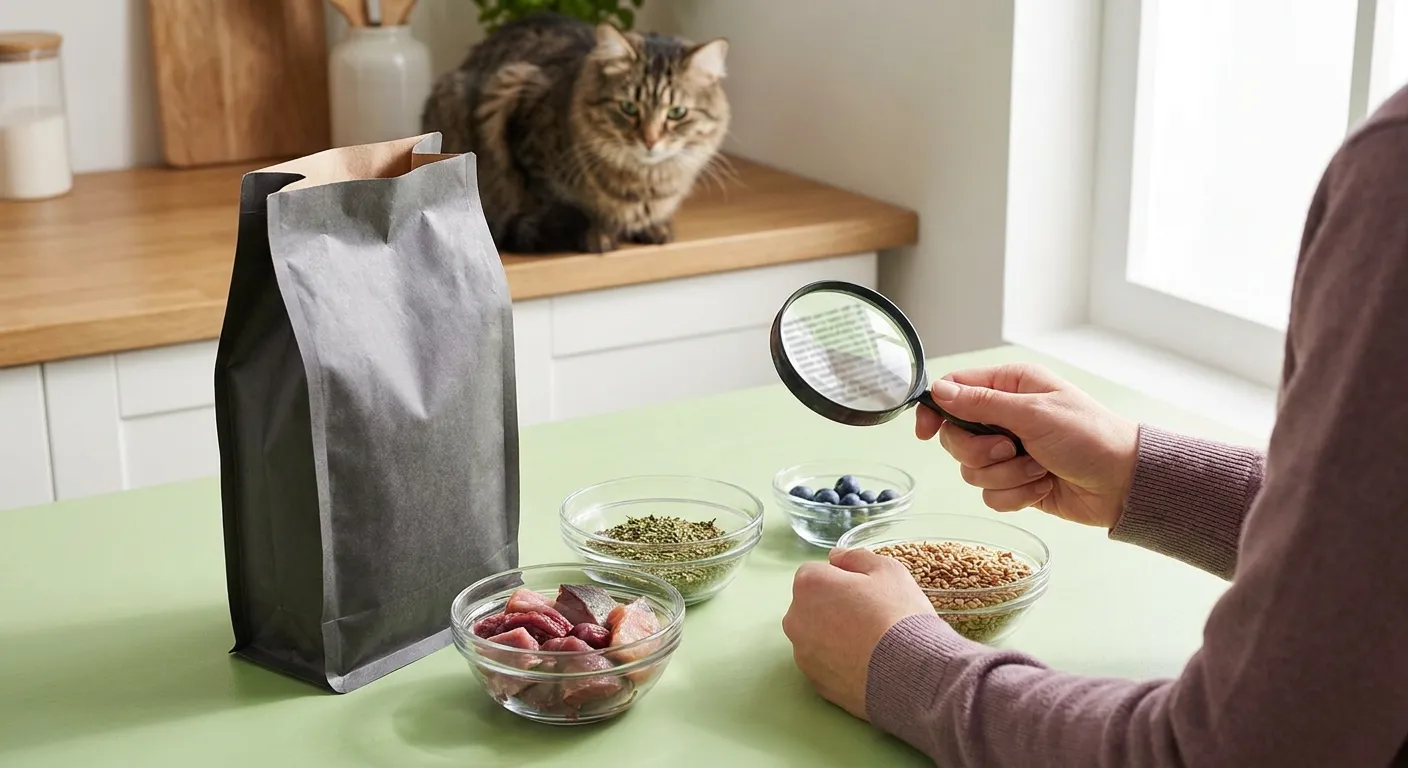
Understanding what’s inside your cat’s food is crucial for their health. Learning to decode cat food labels empowers you to make informed decisions, ensuring your feline friend receives optimal nutrition. Many labels can be confusing, packed with jargon and marketing terms. However, with a little knowledge, you can quickly identify high-quality ingredients from fillers.
For instance, many pet food manufacturers use clever marketing to make their products seem healthier than they are. Therefore, a discerning eye is essential. This guide will walk you through the essential steps to truly understand what you’re feeding your beloved companion. Ultimately, your cat’s well-being depends on these dietary choices.
How to Decode Cat Food Labels Effectively
The first step to deciphering a cat food label is to look at the ingredient list. Ingredients are listed by weight, meaning the first few items make up the largest proportion of the food. For an obligate carnivore, you want to see animal-based protein sources at the top. Specifically, look for specific meat sources like ‘chicken,’ ‘turkey,’ or ‘salmon’ rather than vague terms like ‘meat meal’ or ‘animal by-products.’ These vague terms can indicate lower quality or inconsistent sources. While ‘meal’ (e.g., ‘chicken meal’) can be a concentrated protein source, its quality depends on the specific animal named. Furthermore, the absence of specific animal names often suggests a blend of various animal parts, which might not be ideal.
Consider, for example, the difference between ‘chicken’ and ‘poultry by-product meal.’ ‘Chicken’ refers to the clean flesh and skin, with or without accompanying bone, derived from whole carcasses of chicken, exclusive of feathers, heads, feet, and entrails. In contrast, ‘poultry by-product meal’ is a rendered product from poultry carcases and can include necks, feet, undeveloped eggs, and intestines, but not feathers. Clearly, the former is preferable for your cat’s diet. Moreover, understanding these nuances helps you select foods that genuinely support feline health.
The Importance of Specific Protein Sources
When you decode cat food labels, prioritize specific animal proteins. Cats require a diet rich in animal protein to thrive. Ingredients like ‘chicken liver,’ ‘beef heart,’ or ‘salmon oil’ are excellent additions, providing essential amino acids and fatty acids. Avoid products where the primary protein source is plant-based, such as corn gluten meal or pea protein. While these can contribute protein, they do not offer the complete amino acid profile an obligate carnivore needs. In fact, excessive plant matter can be difficult for a cat’s digestive system to process efficiently. Consequently, this can lead to nutritional deficiencies over time.
Moreover, be wary of ingredients listed as ‘animal digest.’ This term refers to material that results from chemical or enzymatic hydrolysis of clean animal tissue. While it can enhance palatability, it offers little nutritional value and its source can be ambiguous. Therefore, focusing on whole, identifiable animal proteins is always the best approach. This ensures your cat receives the building blocks necessary for strong muscles, healthy organs, and overall vitality.
Understanding Nutritional Guarantees and AAFCO Statements
Beyond the ingredient list, pay close attention to the ‘Guaranteed Analysis’ and the AAFCO (Association of American Feed Control Officials) statement. The Guaranteed Analysis provides minimum percentages for crude protein and fat, and maximum percentages for crude fiber and moisture. These numbers are a starting point but don’t tell the whole story about ingredient quality or digestibility. For instance, a food might have a high crude protein percentage, but if it comes from poorly digestible sources, your cat won’t absorb those nutrients effectively. Therefore, always consider the Guaranteed Analysis in conjunction with the ingredient list.
The AAFCO statement, such as ‘[Product Name] is formulated to meet the nutritional levels established by the AAFCO Cat Food Nutrient Profiles for [life stage],’ is vital. This indicates the food is nutritionally complete and balanced for a specific life stage, like adult maintenance or growth. Without this statement, the food might be considered a treat or supplemental and should not be fed as a sole diet. Furthermore, ensure the life stage matches your cat’s needs. For example, a kitten requires different nutrient levels than an senior cat. You can find more information about AAFCO standards on their official website, AAFCO.org.
Deciphering the Guaranteed Analysis
When you examine the Guaranteed Analysis, remember that these are ‘as fed’ percentages. This means they include moisture content. For dry kibble, which has low moisture, the percentages will appear higher than for wet food, which has high moisture. To accurately compare dry and wet foods, you need to convert them to a ‘dry matter basis.’ For example, if a wet food has 75% moisture, it has 25% dry matter. If its crude protein is 10%, then on a dry matter basis, it’s 10% / 0.25 = 40% protein. This calculation helps you truly compare apples to apples when you decode cat food labels. Moreover, it prevents you from being misled by seemingly lower protein percentages in wet foods. Understanding this conversion is key to making truly informed decisions.
Similarly, the crude fiber percentage gives an indication of indigestible plant material. While some fiber is beneficial for digestive health, excessively high fiber can hinder nutrient absorption in cats. Therefore, aim for moderate fiber levels. Conversely, the fat percentage is also crucial, as cats derive significant energy from fats. A good quality fat source, like chicken fat or salmon oil, provides essential fatty acids for skin, coat, and overall health. Furthermore, pay attention to the source of fats; specific animal fats are generally superior to generic ‘animal fat’ or plant oils.
Additives, Preservatives, and Artificial Ingredients
As you learn to decode cat food labels, it’s equally important to identify and avoid undesirable ingredients. Many commercial cat foods contain artificial colors, flavors, and preservatives. These ingredients offer no nutritional benefit and can potentially be harmful to your cat’s health. For instance, BHA, BHT, and ethoxyquin are chemical preservatives that have raised health concerns in some studies. Natural preservatives like mixed tocopherols (Vitamin E) or rosemary extract are much safer alternatives. Therefore, always opt for foods preserved naturally.
Artificial colors, such as Red 40, Yellow 5, and Blue 2, are added solely for human appeal, making the food look more appetizing to us, not to cats. Cats primarily rely on smell and texture, not color, to assess their food. Similarly, artificial flavors, often vaguely described, are used to make less palatable ingredients more appealing. These unnecessary additives can sometimes trigger allergies or sensitivities in susceptible cats. Consequently, choosing foods free from these artificial components is a proactive step towards your cat’s long-term wellness. Exploring natural options is always beneficial, and you can find more insights on our Blog.
Understanding Carbohydrates and Fillers
Cats, as obligate carnivores, have no biological requirement for carbohydrates. While some carbohydrates can be present in cat food, particularly kibble, they should not be the primary ingredient. Common carbohydrate sources include corn, wheat, soy, rice, and potatoes. These are often used as cheap fillers, providing bulk but little nutritional value for a cat. High carbohydrate diets can contribute to obesity, diabetes, and other health issues in felines. Therefore, when you decode cat food labels, look for foods with minimal grain or starch content. For instance, if grains are present, they should be whole grains and appear lower down on the ingredient list.
Moreover, be cautious of terms like ‘brewer’s rice’ or ‘wheat middlings.’ These are often by-products of human food production and are low in nutritional quality. They are typically used to reduce manufacturing costs. A truly natural and species-appropriate diet for cats will emphasize meat, organs, and bones, with very limited plant matter. Choosing foods with fewer fillers also means your cat gets more concentrated nutrition from smaller portions, which can be more satisfying and healthier. This focus on nutrient-dense ingredients is a hallmark of superior cat food.
The Role of Fats and Oils in Feline Nutrition
Fats are a vital component of a cat’s diet, providing concentrated energy, essential fatty acids, and aiding in the absorption of fat-soluble vitamins. When you decode cat food labels, identify the types of fats used. High-quality animal fats like chicken fat, beef fat, or salmon oil are excellent. These fats provide crucial Omega-3 and Omega-6 fatty acids, which are essential for healthy skin, a shiny coat, and proper immune function. For example, salmon oil is particularly rich in EPA and DHA, beneficial for brain and vision development, especially in kittens. You can also consider interactive toys to keep your cat active and healthy, as proper diet and exercise go hand-in-hand. We have a great selection of Interactive Toys.
Conversely, generic ‘animal fat’ without a specified source can be less desirable, as its quality and consistency may vary. Plant-based oils like sunflower oil or canola oil, while sometimes included, are not ideal primary fat sources for cats. Cats metabolize animal fats more efficiently. Therefore, prioritize foods where specific animal fats are listed high on the ingredient list. The right balance of fats also contributes to the palatability of the food, ensuring your cat enjoys their meals while receiving crucial nutrients. Moreover, understanding the fat content helps manage your cat’s weight, preventing obesity.
Vitamins, Minerals, and Supplements
A complete and balanced cat food will include a range of essential vitamins and minerals. These are often listed towards the end of the ingredient list. Look for terms like ‘taurine,’ ‘calcium carbonate,’ ‘potassium chloride,’ and various vitamin supplements (e.g., ‘Vitamin E supplement,’ ‘Thiamine mononitrate’). Taurine, an amino acid, is particularly critical for cats; a deficiency can lead to serious heart and eye problems. Cats cannot synthesize enough taurine on their own and must obtain it from their diet. Therefore, ensuring adequate taurine is present is non-negotiable when you decode cat food labels.
Chelated minerals (e.g., ‘zinc proteinate,’ ‘iron proteinate’) are also a good sign, as they are more easily absorbed by your cat’s digestive system. While these ingredients might seem like a long list of scientific terms, their presence indicates a carefully formulated diet. A reputable manufacturer will ensure all necessary micronutrients are included to support overall health. Furthermore, the absence of these vital nutrients suggests a potentially incomplete diet, which could lead to health issues over time. Always check for a comprehensive list of vitamins and minerals.
Understanding Different Forms of Cat Food
Cat food comes in various forms: dry kibble, wet food (canned or pouches), semi-moist, and raw. Each has its pros and cons, and understanding these can help you decode cat food labels more effectively for your chosen type. Dry kibble is convenient and can help with dental hygiene, but it often contains higher carbohydrate levels and lower moisture. Wet food provides crucial hydration, is typically lower in carbohydrates, and often higher in animal protein, making it closer to a cat’s natural diet. However, it can be more expensive.
Semi-moist foods are less common and often contain high levels of sugar, salt, and artificial preservatives to maintain their texture. Raw diets, while gaining popularity, require careful preparation and balancing to ensure nutritional completeness and safety. Each food type has a distinct label structure and ingredient profile. For example, wet food labels will show much higher moisture content in the Guaranteed Analysis. Therefore, choose the food type that best suits your cat’s needs and your lifestyle, always prioritizing quality ingredients within that category. You can learn more about various feeding strategies and ingredients on our Blog.
The Importance of Moisture Content
Moisture content is a critical factor, especially when considering a cat’s natural dietary needs. Cats evolved to get most of their hydration from their prey. Consequently, they often have a low thirst drive. Dry kibble, with its typically low moisture content (around 10%), means cats need to drink significantly more water to stay hydrated. Many cats, however, do not drink enough, leading to chronic dehydration, which can contribute to urinary tract issues and kidney disease. Therefore, wet food, with its high moisture content (around 70-80%), is often recommended to support feline urinary health. When you decode cat food labels, always note the moisture percentage. A higher moisture content in the overall diet is generally beneficial for most cats. Furthermore, proper hydration plays a vital role in every bodily function, from digestion to temperature regulation.
Transitioning to a higher moisture diet can be a significant step towards improving your cat’s long-term health. Consider offering a mix of wet and dry food if a full transition is not feasible. Even small increases in moisture intake can make a difference. Always ensure your cat has access to fresh, clean water, regardless of their diet. Water bowls, fountains, and even adding a little water to wet food can encourage hydration. Monitoring your cat’s water intake is just as important as monitoring their food intake. Therefore, a holistic approach to their dietary needs, including moisture, is essential for their well-being.
Marketing Claims vs. Reality
Pet food labels are often filled with marketing buzzwords designed to attract consumers. Terms like ‘natural,’ ‘premium,’ ‘gourmet,’ ‘holistic,’ and ‘human-grade’ can be misleading. While ‘natural’ has a loose definition by AAFCO, implying ingredients from natural sources, other terms like ‘premium’ or ‘gourmet’ have no legal definition and are purely marketing. ‘Human-grade’ suggests ingredients fit for human consumption, but unless the entire manufacturing process meets human food standards, it’s often an exaggeration. Therefore, learning to decode cat food labels means looking past these claims and focusing on the actual ingredient list and nutritional analysis. Don’t be swayed by attractive packaging or catchy phrases. Instead, scrutinize the facts presented on the label itself. For example, a bag labeled ‘premium’ might still contain low-quality fillers. Always prioritize transparency and specific ingredient information over vague promises.
Similarly, phrases like ‘vet recommended’ or ‘scientific formula’ might sound impressive, but without specific data or endorsement from a recognized veterinary body, they hold little weight. Reputable brands will provide clear, verifiable information about their ingredients and sourcing. Furthermore, always cross-reference information with reliable sources, such as veterinary nutritionists or established scientific organizations. Your cat’s health is too important to leave to marketing ploys. Consequently, becoming an educated consumer is the best way to ensure your feline companion receives the best possible nutrition. This empowers you to make truly informed choices for your pet.
Conclusion
By carefully examining ingredient lists, understanding guaranteed analysis, and verifying AAFCO statements, you can confidently decode cat food labels and select the best natural options for your cat’s unique needs, contributing significantly to their overall health and longevity. Remember, knowledge is power when it comes to your cat’s diet. Prioritize whole, identifiable animal proteins, specific fat sources, and a comprehensive list of vitamins and minerals. Avoid artificial additives, excessive carbohydrates, and vague ingredient descriptions. Taking the time to understand these labels will empower you to make the best dietary choices, ensuring your feline friend thrives. Ultimately, a well-fed cat is a happy and healthy cat. This commitment to understanding labels will truly benefit your pet for years to come.
Making informed decisions about your cat’s food is one of the most impactful ways to support their health. Don’t hesitate to consult your veterinarian if you have specific concerns or questions about your cat’s nutritional requirements. They can provide personalized advice based on your cat’s age, activity level, and any existing health conditions. This collaborative approach ensures your cat receives tailored care. Thank you for taking the time to learn how to better care for your feline companion.
FAQ
What are the most important things to look for on a cat food label?
Focus on the first few ingredients, ensuring they are specific animal proteins. Check the AAFCO statement to confirm nutritional completeness for your cat’s life stage. Also, review the Guaranteed Analysis for protein, fat, and moisture levels.
How can I tell if a cat food has good quality protein?
Look for specific meat sources like ‘chicken,’ ‘turkey,’ or ‘salmon’ at the top of the ingredient list. Avoid vague terms like ‘meat meal’ or ‘animal by-products’ as primary protein sources, which often indicate lower quality.
Why is moisture content important in cat food?
Cats have a low thirst drive and naturally get much of their hydration from food. High moisture content, typically found in wet food, helps support urinary tract health and kidney function, preventing dehydration-related issues.
Should I be concerned about artificial ingredients?
Yes, artificial colors, flavors, and chemical preservatives offer no nutritional benefit and can potentially be harmful. Opt for foods that use natural preservatives like mixed tocopherols and are free from artificial additives.
What does an AAFCO statement mean for my cat’s diet?
An AAFCO statement indicates that the food is nutritionally complete and balanced for a specific life stage (e.g., adult maintenance, growth). This means it can be fed as a sole diet without causing nutritional deficiencies, making it a crucial indicator of a reputable product.