
Purr-fectly Selecting Cat Nutrition
When it comes to ensuring the health and well-being of your feline friend, one of the most important factors to consider is their nutrition. Just like humans, cats require a balanced diet to thrive and stay healthy. In this article, we will explore the key aspects of selecting the purr-fect nutrition for your cat, from understanding their dietary needs to choosing the right type of food.
Understanding Your Cat’s Dietary Needs
Cats are obligate carnivores, which means that their diet must consist primarily of meat. Unlike omnivores, such as dogs, cats have specific nutritional requirements that can only be met through a diet rich in animal proteins. This is why it is essential to choose cat food that is specifically formulated for felines.
Some of the key nutrients that cats require in their diet include:
- Protein: Cats need high-quality animal proteins, such as chicken, fish, or turkey, to thrive. Protein is essential for muscle growth and maintenance.
- Fats: Fat provides cats with energy and supports healthy skin and coat.
- Taurine: This amino acid is crucial for cats’ heart and eye health.
- Vitamins and minerals: Cats require specific vitamins and minerals, such as Vitamin A, B-complex vitamins, and calcium, to support their overall health.
Choosing the Right Type of Food
When it comes to selecting cat food, there are several options available, including dry food, wet food, and raw food. Each type of food has its own advantages and disadvantages, so it is important to consider your cat’s individual needs and preferences.
Dry Food
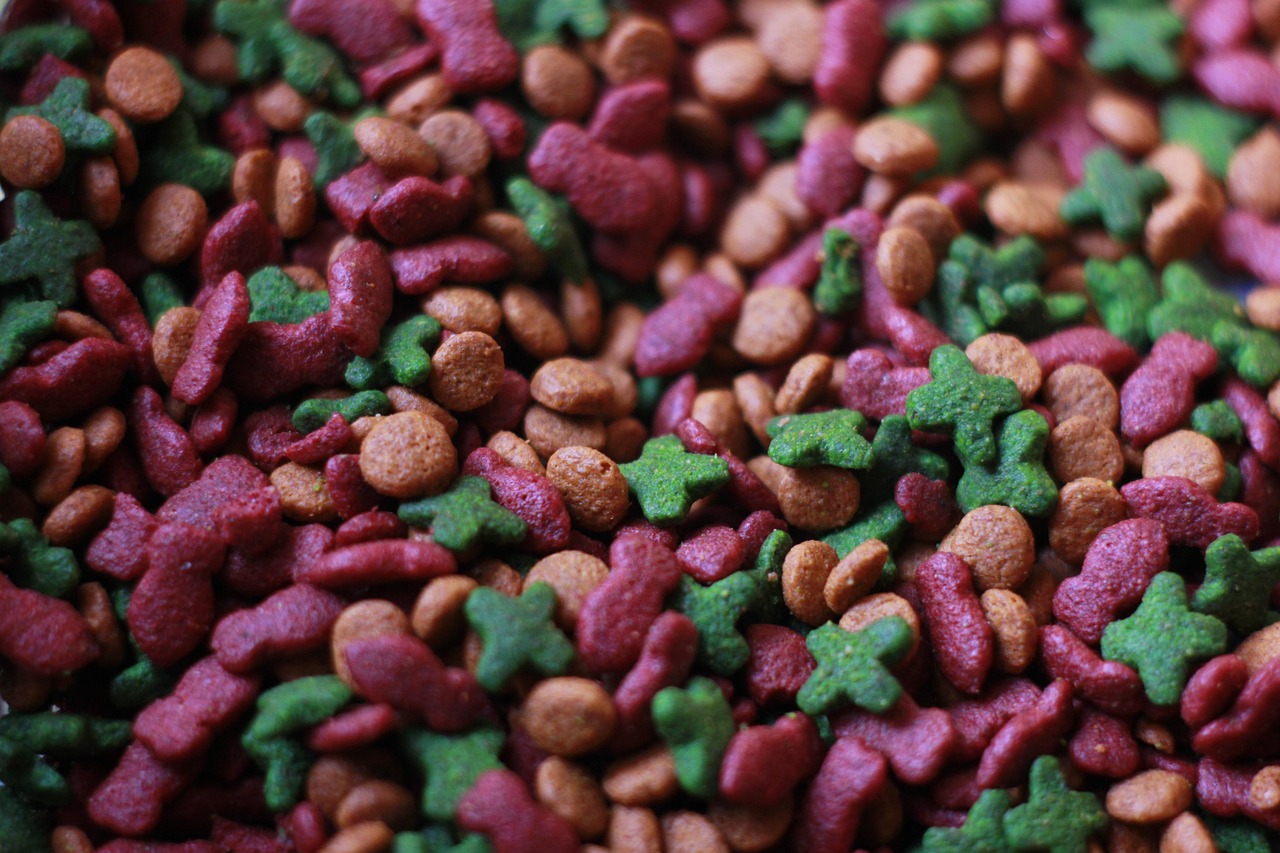
Dry cat food, also known as kibble, is a convenient option for pet owners as it has a long shelf life and can be left out for cats to free-feed throughout the day. However, some cats may not drink enough water when eating dry food, which can lead to dehydration. It is important to ensure that your cat has access to fresh water at all times when feeding them dry food.
Wet Food
Wet cat food comes in cans or pouches and has a higher moisture content than dry food. This can be beneficial for cats who do not drink enough water or have kidney issues. However, wet food can be more expensive and can spoil quickly if not refrigerated. It is important to feed wet food in small portions and to discard any uneaten portions to prevent spoilage.
Raw Food
Raw cat food consists of uncooked meats, organs, and bones and is a popular choice among pet owners who want to provide a more natural diet for their cats. However, feeding raw food can be risky as it can contain harmful bacteria that can be harmful to both cats and humans. It is essential to handle raw food with care and to ensure that it is properly balanced to meet cats’ nutritional needs.
Common Questions About Cat Nutrition
As a pet owner, you may have several questions about cat nutrition. Here are some common questions and answers to help you make informed decisions about your cat’s diet:
How much should I feed my cat?
The amount of food your cat needs will depend on their age, size, activity level, and overall health. It is important to follow the feeding guidelines on the cat food packaging and to monitor your cat’s weight and body condition to adjust their portion size accordingly.
Should I feed my cat a grain-free diet?
Grain-free diets have become popular in recent years, but there is no scientific evidence to suggest that they are better for cats than diets that contain grains. Some cats may have allergies or sensitivities to grains, in which case a grain-free diet may be appropriate. It is best to consult with your veterinarian to determine the best diet for your cat.
Can I feed my cat homemade food?
Feeding your cat homemade food can be a great way to control the quality of ingredients and tailor their diet to their specific needs. However, it is essential to ensure that the homemade diet is properly balanced to meet all of your cat’s nutritional requirements. Working with a veterinary nutritionist can help you create a balanced homemade diet for your cat.
Conclusion
Choosing the right nutrition for your cat is essential for their health and well-being. By understanding your cat’s dietary needs and selecting the right type of food, you can ensure that your feline friend receives the nutrition they need to thrive. If you have any questions or concerns about your cat’s diet, be sure to consult with your veterinarian for personalized advice and recommendations.
With the right nutrition, your cat can live a long, healthy, and happy life by your side.