
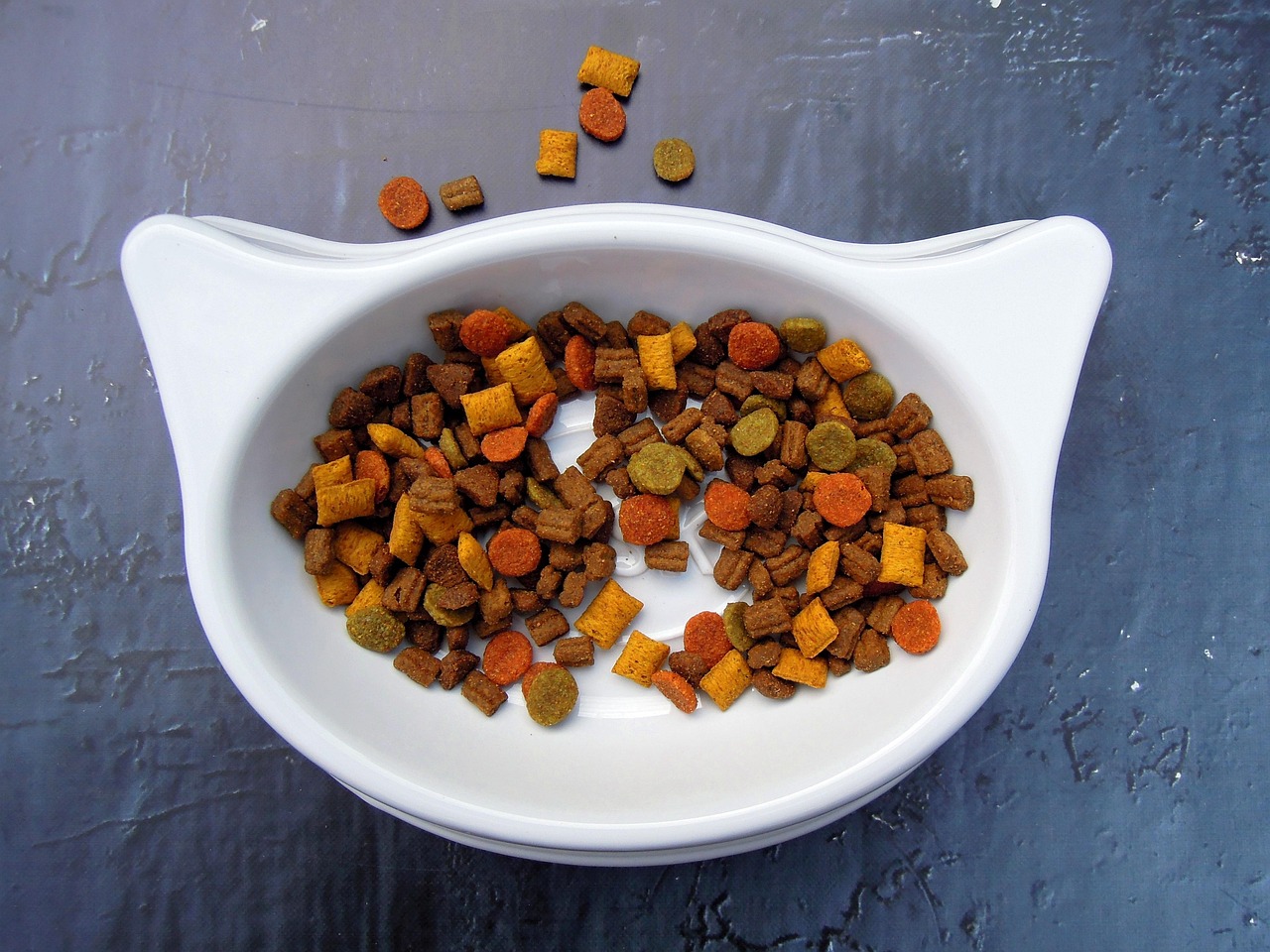
Easy Steps for Safely Transitioning Your Cat’s Food
Changing your cat’s food can be a daunting task, but with the right approach, it can be a smooth and stress-free process for both you and your furry friend. Whether you are transitioning to a new brand, flavor, or type of food, following these easy steps will help ensure a safe and successful transition for your cat.
Step 1: Consult with Your Veterinarian
Before making any changes to your cat’s diet, it is important to consult with your veterinarian. They can provide valuable insight into your cat’s specific dietary needs and recommend the best way to transition to a new food. Your veterinarian may also recommend specific brands or types of food that are best suited for your cat’s age, breed, and health condition.
Step 2: Gradually Introduce the New Food
Once you have consulted with your veterinarian and chosen a new food for your cat, it is time to start the transition process. The key to a successful transition is to gradually introduce the new food while gradually phasing out the old food. Start by mixing a small amount of the new food with your cat’s current food, gradually increasing the ratio of new food to old food over the course of about a week.
Step 3: Monitor Your Cat’s Reaction
As you transition your cat to the new food, it is important to closely monitor their reaction. Keep an eye on their eating habits, behavior, and overall health. If you notice any signs of digestive upset, such as vomiting, diarrhea, or lack of appetite, it may be a sign that the new food is not agreeing with your cat. In this case, consult with your veterinarian for guidance on how to proceed.
Step 4: Provide Plenty of Water
During the transition process, it is important to ensure that your cat stays hydrated. Provide plenty of fresh, clean water at all times to help support their digestion and overall health. Cats can be picky about their water sources, so make sure to offer water in a clean bowl away from their food and litter box.
Step 5: Be Patient and Consistent
Transitioning your cat’s food can take time, so be patient and consistent throughout the process. Avoid making sudden changes or going back and forth between foods, as this can cause digestive upset and confusion for your cat. Stick to the gradual transition plan and trust the process.
Common Questions About Transitioning Your Cat’s Food
How long should I take to transition my cat to a new food?
The transition process typically takes about a week, but it can vary depending on your cat’s individual needs and preferences. Be observant of your cat’s reaction and adjust the transition timeline as needed.
What should I do if my cat refuses to eat the new food?
If your cat is being picky about the new food, try mixing in a small amount of a high-value treat or canned food to entice them. You can also try offering the new food at different times or in different ways to see if your cat will eventually accept it.
Can I mix different types of cat food together?
While mixing different types of food can help with the transition process, it is important to avoid mixing foods that have different nutrient profiles or ingredients. Stick to the same brand or type of food when mixing and gradually increase the ratio of new food to old food.
What should I do if my cat experiences digestive upset during the transition process?
If your cat experiences digestive upset, such as vomiting or diarrhea, during the transition process, it may be a sign that the new food is not agreeing with them. Consult with your veterinarian for guidance on how to proceed, as they may recommend adjusting the transition timeline or trying a different type of food.
Conclusion
Transitioning your cat’s food can be a challenging process, but with the right approach, it can be a smooth and successful experience for both you and your furry friend. By consulting with your veterinarian, gradually introducing the new food, monitoring your cat’s reaction, providing plenty of water, and being patient and consistent, you can help ensure a safe and successful transition for your cat. Remember to address any concerns or issues that may arise during the transition process, and always prioritize your cat’s health and well-being. With these easy steps, you can confidently transition your cat to a new food and support their overall health and happiness.