
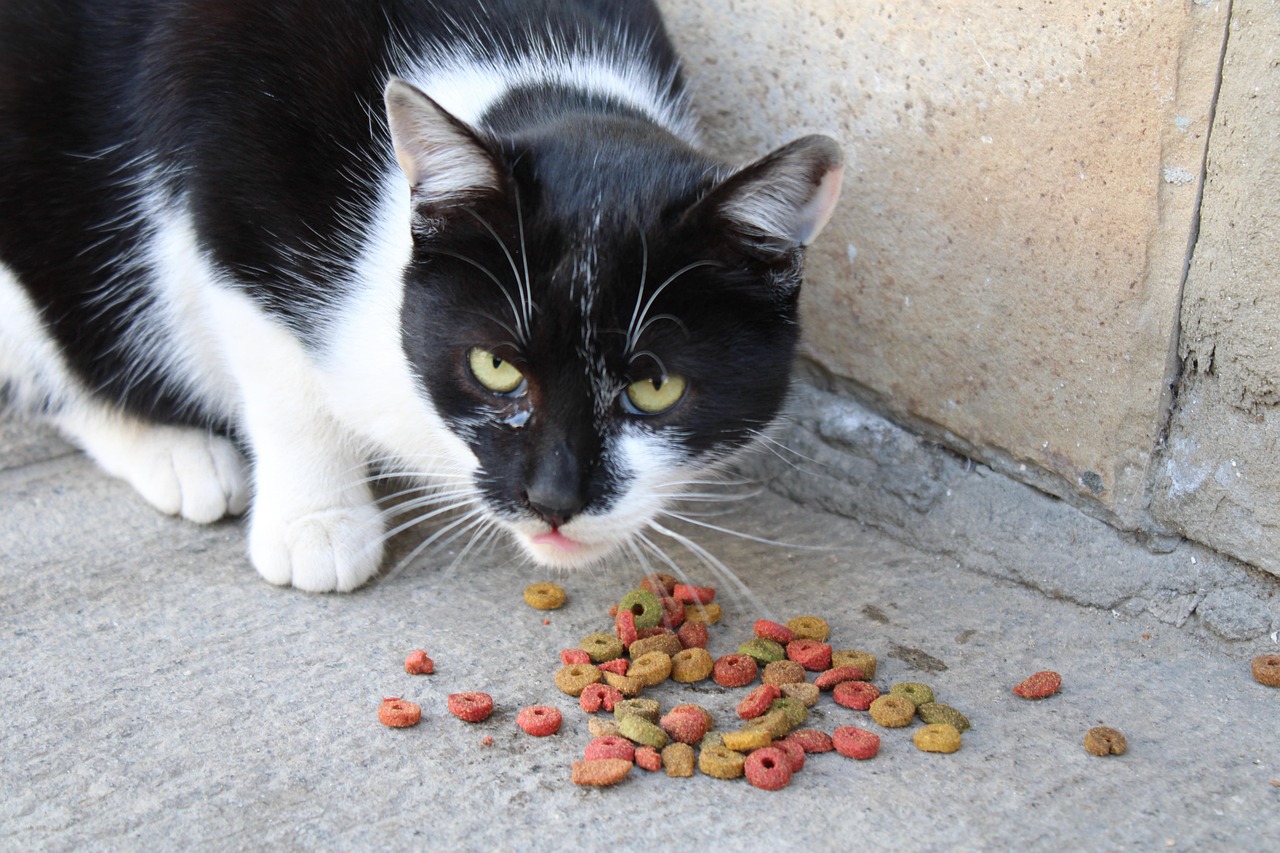
Balancing Your Cat’s Diet: The Key to a Healthy Feline Life
Ensuring that your cat receives a balanced diet is crucial for their overall health and well-being. Just like humans, cats require a variety of nutrients to thrive and stay healthy. In this article, we will discuss how to balance your cat’s diet, address common questions regarding feline nutrition, and provide valuable tips for maintaining a healthy and happy kitty.
Why is a Balanced Diet Important for Cats?
A balanced diet is essential for cats as it provides the necessary nutrients for growth, energy, and overall health. Without proper nutrition, cats can develop a variety of health issues such as obesity, digestive problems, and nutritional deficiencies. By ensuring that your cat’s diet is balanced, you can help prevent these issues and promote a long and healthy life for your feline friend.
Understanding Your Cat’s Nutritional Needs
Cats are obligate carnivores, which means that they require a diet high in animal protein to thrive. In the wild, cats would primarily eat small prey animals such as mice, birds, and fish. These foods are high in protein and provide essential nutrients that cats need to survive.
When choosing a commercial cat food, it is important to look for a high-quality product that contains a balance of protein, fats, carbohydrates, vitamins, and minerals. Read the ingredient list carefully and avoid products that contain fillers, artificial colors, and preservatives.
Protein
Protein is the most important component of your cat’s diet. It is essential for muscle growth, tissue repair, and overall health. Look for cat foods that list a named animal protein, such as chicken, turkey, or fish, as the first ingredient. Avoid foods that contain meat by-products or unidentified proteins.
Fats
Fats are another important component of your cat’s diet. They provide essential fatty acids that are necessary for healthy skin and coat, as well as for the absorption of fat-soluble vitamins. Look for cat foods that contain omega-3 and omega-6 fatty acids from sources such as fish oil or flaxseed.
Carbohydrates
While cats are carnivores and do not require carbohydrates in their diet, some commercial cat foods contain grains such as corn, wheat, and rice. These ingredients are often used as fillers and can contribute to obesity and digestive issues. Look for cat foods that are grain-free or contain a minimal amount of carbohydrates.
Vitamins and Minerals
Vitamins and minerals are essential for your cat’s overall health and well-being. Look for cat foods that are complete and balanced, meaning that they contain all the necessary vitamins and minerals in the right proportions. Avoid supplementing your cat’s diet with additional vitamins unless advised by a veterinarian.
Common Questions About Feline Nutrition
How much should I feed my cat?
The amount of food your cat needs will depend on their age, weight, and activity level. It is important to follow the feeding guidelines on the cat food packaging and adjust the amount as needed to maintain a healthy weight. Monitor your cat’s body condition and consult with a veterinarian if you are unsure about the appropriate feeding amount.
Should I feed my cat wet or dry food?
Both wet and dry cat food can be nutritionally complete and balanced. Wet food has a higher moisture content, which can be beneficial for cats who do not drink enough water. Dry food is convenient and can help promote dental health. Some cats may prefer one type of food over the other, so it is important to offer a variety and see what works best for your cat.
Can I feed my cat a homemade diet?
Feeding your cat a homemade diet can be challenging as it requires careful planning and monitoring to ensure that all the necessary nutrients are being provided. If you choose to feed your cat a homemade diet, consult with a veterinary nutritionist to create a balanced recipe that meets your cat’s nutritional needs.
Tips for Maintaining a Healthy and Happy Kitty
In addition to providing a balanced diet, there are several other ways you can help maintain your cat’s health and well-being:
- Regular veterinary check-ups to monitor your cat’s overall health and catch any potential issues early.
- Ensure access to clean, fresh water at all times to keep your cat hydrated.
- Provide plenty of opportunities for exercise and mental stimulation to keep your cat active and engaged.
- Keep your cat’s environment clean and free of toxins to prevent exposure to harmful substances.
- Show your cat love and affection to strengthen your bond and promote their emotional well-being.
Conclusion
Balancing your cat’s diet is essential for their health and well-being. By providing a high-quality, nutritionally complete diet, you can help prevent health issues and promote a long and happy life for your feline friend. By understanding your cat’s nutritional needs, addressing common questions about feline nutrition, and following these tips for maintaining a healthy and happy kitty, you can ensure that your cat thrives and enjoys a long and fulfilling life.
Remember, always consult with a veterinarian before making any significant changes to your cat’s diet or if you have any concerns about their health or nutrition.