
Avoid These Common Cat Feeding Mistakes
Cats are curious creatures with unique dietary needs. Proper nutrition is essential for their health and well-being. However, many cat owners unknowingly make mistakes when it comes to feeding their feline friends. In this article, we will discuss some common cat feeding mistakes to avoid, along with tips on how to provide the best possible diet for your beloved pet.
Feeding Too Much or Too Little
One of the most common cat feeding mistakes is overfeeding or underfeeding. Cats have specific calorie requirements based on their size, age, and activity level. It’s important to follow feeding guidelines on cat food packaging or consult with your veterinarian to determine the appropriate amount of food for your cat.
Overfeeding can lead to obesity and related health issues, such as diabetes and joint problems. On the other hand, underfeeding can result in malnutrition and nutrient deficiencies. Monitor your cat’s body condition and adjust their food intake accordingly to prevent these problems.
Not Providing Fresh Water
Water is essential for proper digestion, hydration, and overall health. Cats are notoriously picky about their water sources, so it’s important to provide clean, fresh water at all times. Make sure to regularly clean your cat’s water bowl and refill it with fresh water to encourage them to stay hydrated.
Some cats also prefer running water, so consider investing in a cat water fountain to entice them to drink more. Dehydration can lead to serious health issues, so it’s crucial to ensure that your cat has access to an adequate supply of water.
Feeding the Wrong Type of Food
Cats are obligate carnivores, which means that they require a diet high in animal-based protein to thrive. Feeding your cat a diet that is too high in carbohydrates can lead to obesity and other health problems. Look for cat food that lists a meat-based protein as the first ingredient and avoid products that contain fillers such as corn, wheat, and soy.
Additionally, some cats have specific dietary requirements due to medical conditions such as kidney disease or food allergies. Consult with your veterinarian if you suspect that your cat may have special dietary needs and they can recommend a suitable diet for your pet.
Feeding Only Dry Food
Dry cat food is convenient and can help to keep your cat’s teeth clean, but it should not be the sole source of nutrition for your pet. Cats have a low thirst drive and may not drink enough water to compensate for a dry food diet, which can lead to dehydration and urinary tract issues.
It’s important to supplement your cat’s diet with wet food or raw food to ensure that they are getting enough moisture. Wet food is especially beneficial for cats with kidney or urinary tract issues, as it can help to prevent dehydration and promote urinary health.
Feeding the Same Food All the Time
Cats can be picky eaters and may get bored eating the same food day after day. Rotating your cat’s diet by offering different flavors and brands of cat food can help to prevent food aversions and ensure that they are getting a well-rounded nutrition. Variety is also important for providing different nutrients and flavors that your cat may enjoy.
When introducing new food to your cat, do so gradually to prevent digestive upset. Mix a small amount of the new food with their current food and gradually increase the proportion over several days until they are fully transitioned to the new diet.
Feeding Human Foods
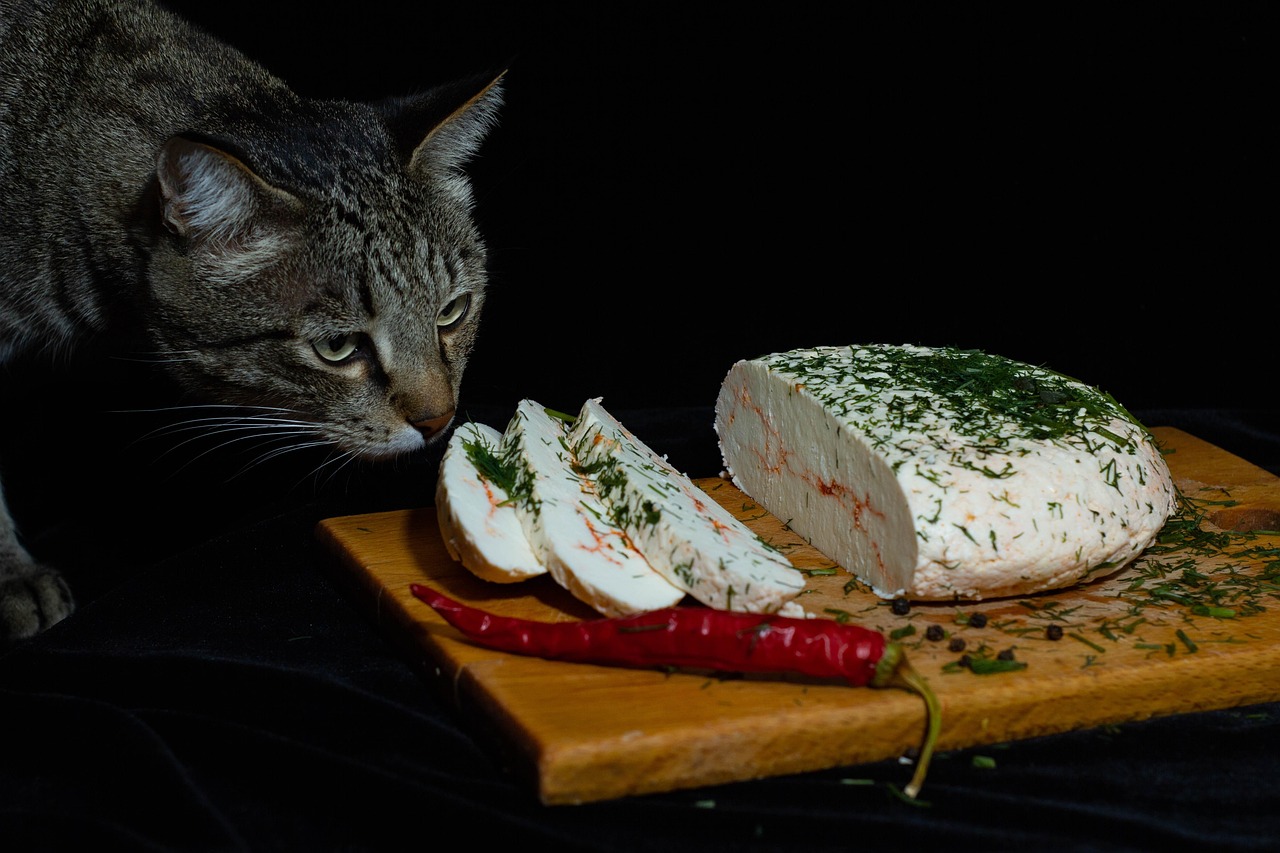
Some human foods are toxic to cats and can cause serious health issues if ingested. Foods such as chocolate, grapes, onions, garlic, and certain spices can be harmful or even fatal to cats. It’s important to keep these foods out of reach of your cat and ensure that they are not given any table scraps or leftovers.
While some human foods are safe for cats in moderation, it’s best to stick to a balanced cat food diet to ensure that your pet is getting all the nutrients they need. If you are unsure about whether a certain food is safe for your cat, consult with your veterinarian before offering it to them.
Conclusion
Feeding your cat a proper diet is essential for their health and well-being. Avoiding common cat feeding mistakes such as overfeeding, not providing fresh water, feeding the wrong type of food, relying solely on dry food, feeding the same food all the time, and feeding human foods can help to ensure that your cat stays healthy and happy.
Consult with your veterinarian if you have any questions or concerns about your cat’s diet, and remember to monitor their body condition and adjust their food intake as needed. By following these tips, you can provide your beloved feline friend with the best possible nutrition and help them to live a long and healthy life.